



Vittorio Ghidella: the product man who made Fiat number 1 in Europe and was fired
Italy, the late 1970s. Strikes, inflation, factories closing, and Fiat losing market share with old models and poor quality. A Turin engineer has an idea nobody wants to hear: put every lira into the product. In this story I retrace how Vittorio Ghidella made Fiat Europe's leading carmaker, from the Uno launched at Cape Canaveral to the Y10 “liked by the people everyone likes”, and why he was removed at the height of his success. At the end, 5 lessons for anyone running an SME.
We need your consent to play it: YouTube uses cookies that may profile what you watch.
Cookie preferences- The product comes first, or rather the 5 Ps come first. Positioning, product, price, place, promotion.
- Invest when others cut. The Fiat Uno was born in Fiat's worst period. Those who invest in a crisis are the leaders when the market picks up.
- Position yourself upwards. Stop competing on price and raise the level of product, service and communication.
- Innovate the process too. Process innovation is the invisible advantage competitors can't copy.
- Have a clear vision and defend it. Quality and positioning outlast fashions.
Italy, the late 1970s: Fiat on the edge of the abyss
The country is on its knees: strikes, inflation, factories closing. And Fiat, the symbol of Italian industry, is losing market share. But an engineer from Turin has an idea nobody wants to hear: bet everything, every single lira, on the product. His name is Vittorio Ghidella. This is the story of how you turn a company in crisis into the European leader, and it's an Italian story no entrepreneur should forget.
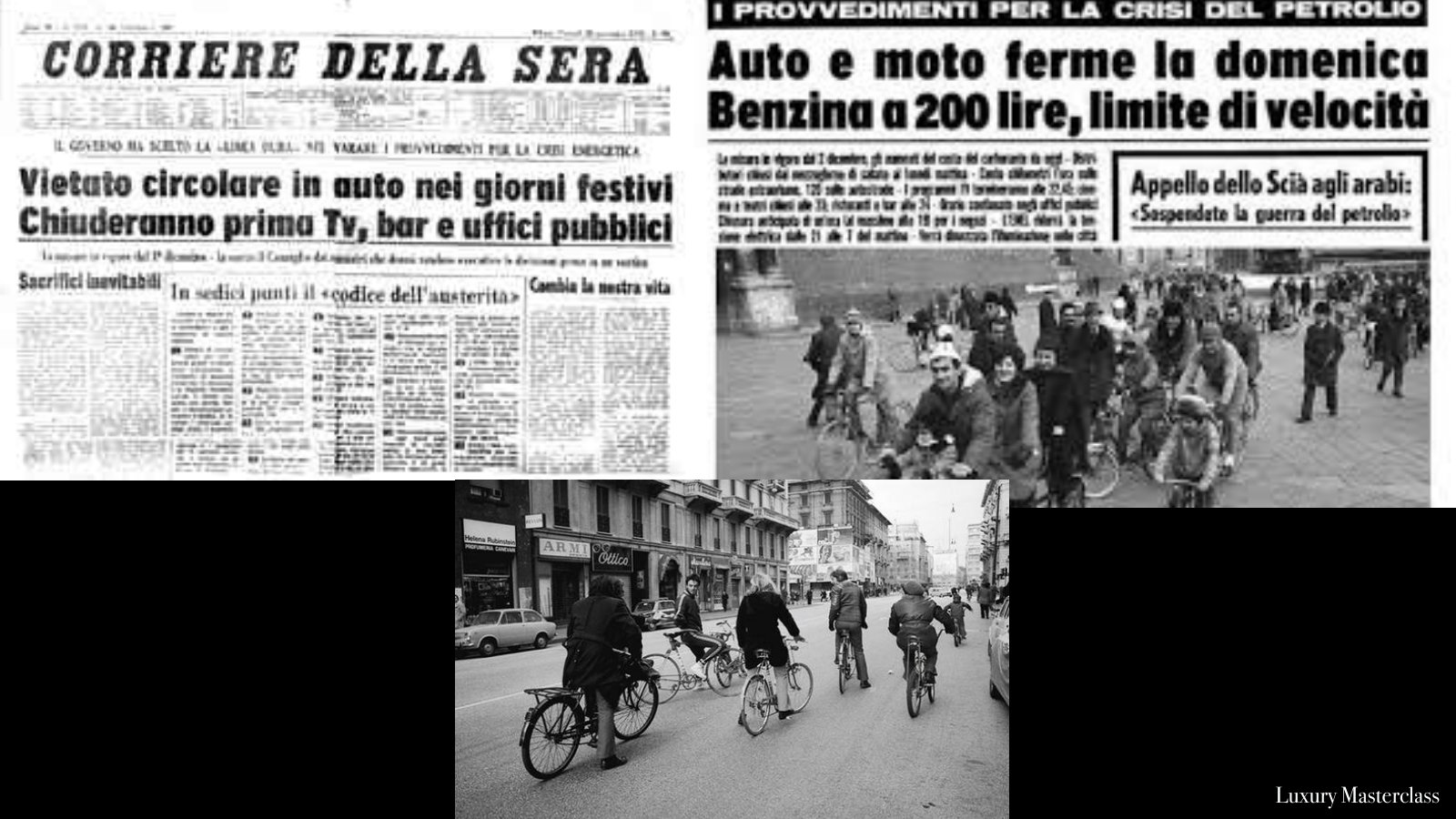
The 1970s were the years of lead, of economic crisis, of Italian industry under attack. Italy was paralysed by terrorism: the Moro kidnapping, the bombings, fear in the factories, executives living under armed escort. I remember one of my secondary school teachers, a manager at a private company, whose office was raided with serious threats. Turin, the country's industrial heart, was a city under siege. Inflation was in double figures, the lira was weak, companies struggled to compete with the Germans and the Japanese, and Made in Italy in cars was not a byword for quality. With the oil crisis the government banned cars on public holidays, closed bars and public offices early, petrol hit a record 200 lire and speed limits arrived, to cut consumption. Fiat dominated the Italian market but was losing ground in Europe because of a product crisis: ageing models, poor quality, production costs out of control.
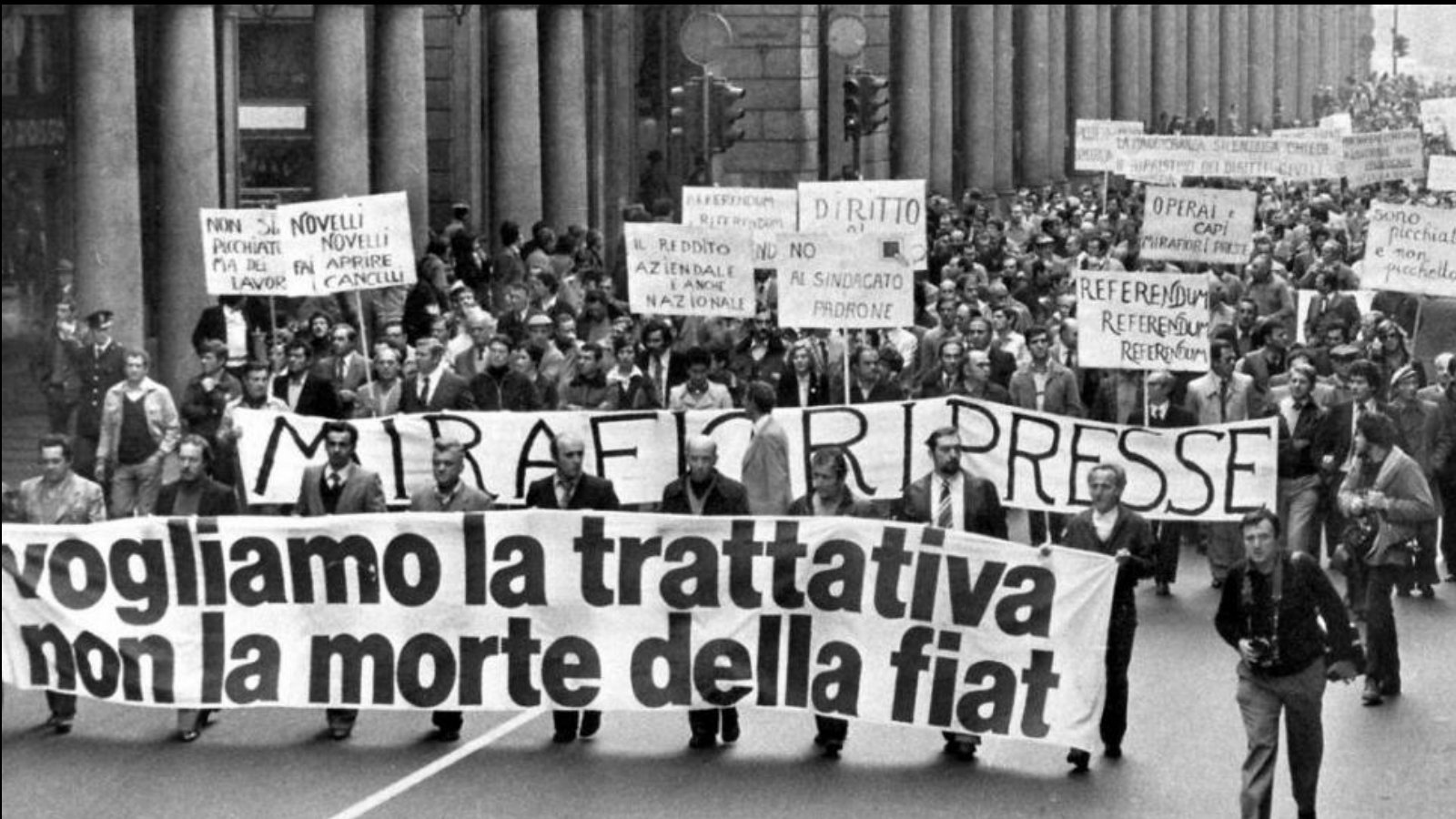
Against this backdrop came the awakening of Fiat's white-collar staff: the march of the 40,000. On 14 October 1980, 40,000 office workers and middle managers marched through the streets of Turin against the pickets that for 35 days had stopped them getting into work. The demonstration pushed the unions to settle the dispute with an agreement favourable to Fiat, and it is seen as the start of a radical change in relations between big business and the unions. Perhaps it was chance, perhaps destiny: the march closed the 1970s of terrorism and industrial crisis and opened the 1980s and 1990s of strong growth and widespread prosperity.
Who Vittorio Ghidella was
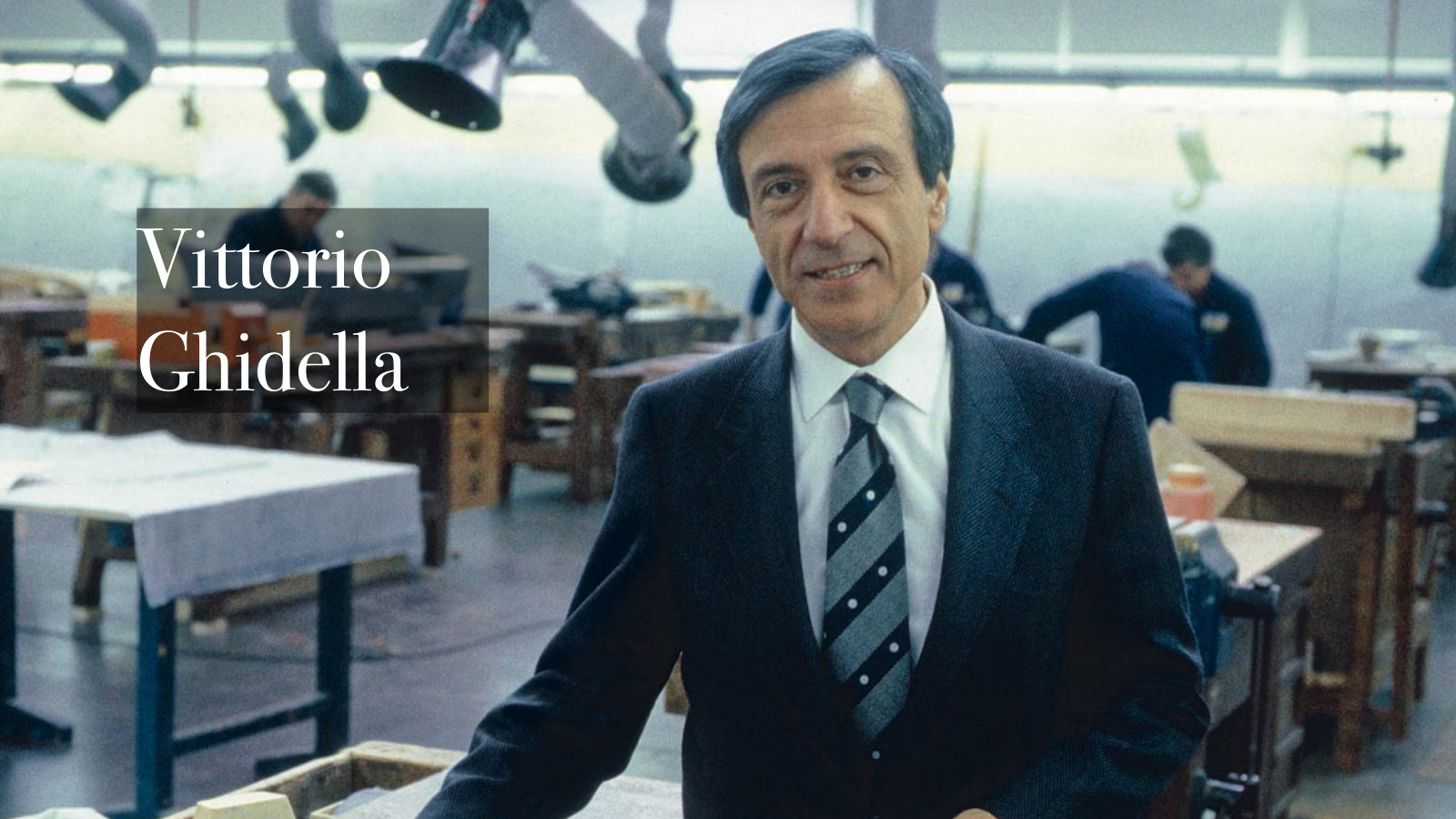
Ghidella had a typical Fiat profile: a Turin mechanical engineer, he joined the company in 1963 and rose from production to the top. He was a factory man. He climbed quickly in the car division and stood out for an obsessive focus on two things: the product and its quality. In 1979 Gianni Agnelli and the board appointed him chief executive of Fiat Auto with a clear task: bring Fiat back to the top of European production and compete with the giants.
The company he inherited at the start of the 1980s had falling market share, an old and uncompetitive range, perceived quality below the Germans and Japanese, and plants with outdated technology. It was the period when Volkswagen dominated Europe with the Golf, designed by Giorgetto Giugiaro, whom the Germans had asked to modernise the concept of the front-wheel-drive Fiat 128. Alongside the Golf, the first Japanese cars were arriving in Europe, and Fiat was seen as the cheap car. Ghidella had to change the product, the perception and the process.
The bet on the product: the Fiat Uno
His first move was to invest everything, down to the last lira, in the product. He multiplied research and development. It is the exact opposite of what a short-sighted chief executive like Carlos Tavares did at Stellantis, cutting everything that could be cut in quality and development to bring the company into profit in the very short term, before it deflated like a balloon.
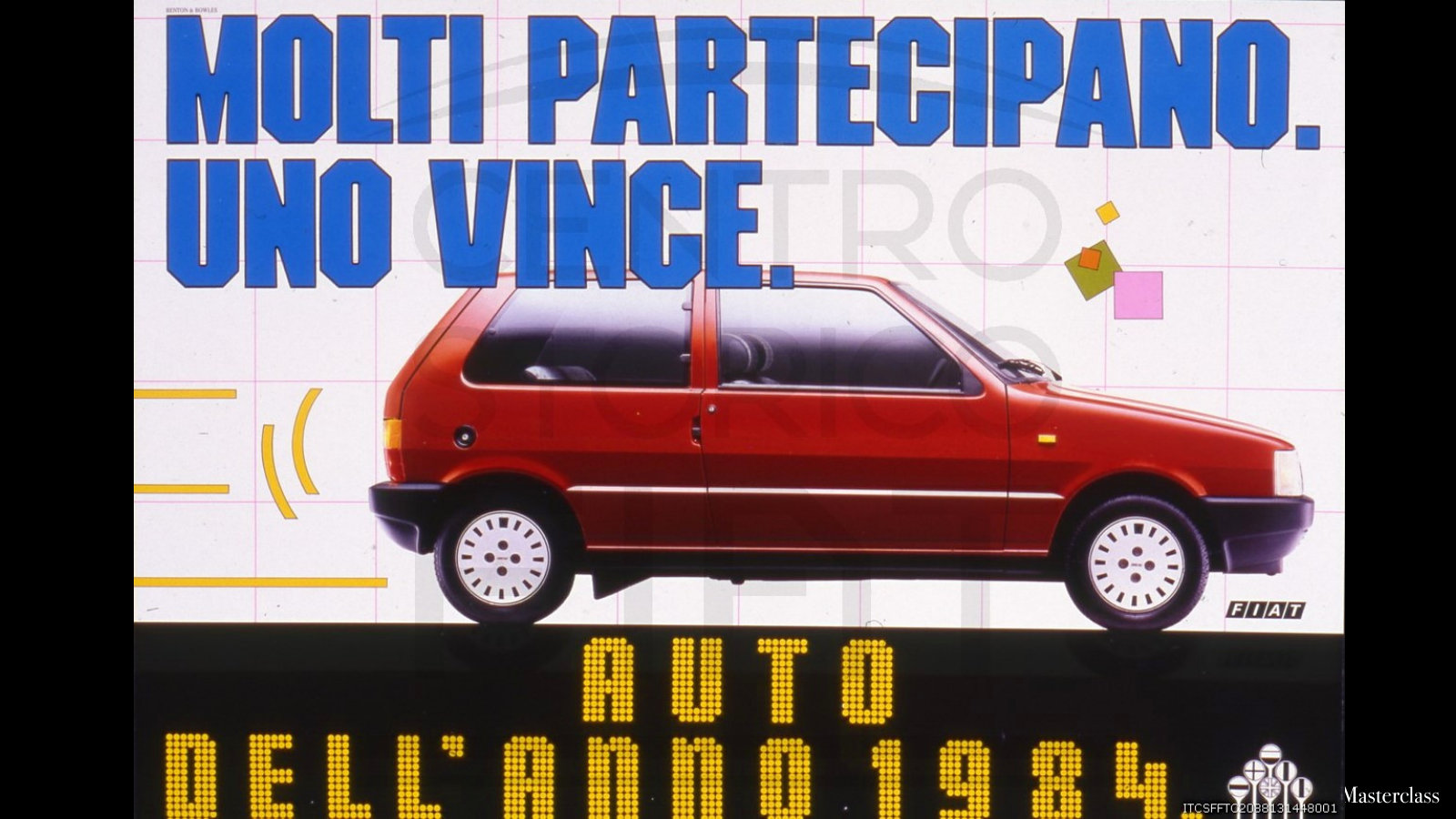
In 1983 the Fiat Uno was born, the masterpiece that revived the fortunes of the Turin factory. The gamble was expensive: the coffers were empty and the project was worth more than 1,000 billion lire, several billion euros in today's money. Either the car succeeded, or the whole edifice came down with everything inside it. But as we Italians always do when it's make or break, we invested everything and put our hearts into it. The project was revolutionary: design by Giugiaro, who came back to designing Fiats after his time at Volkswagen, and the birth of the Fire engine, one of the longest-lived in history. The result: Car of the Year 1984, compact, efficient, modern, and 9 million units sold over its life. The Uno changed how the world saw Fiat.
The launch at Cape Canaveral
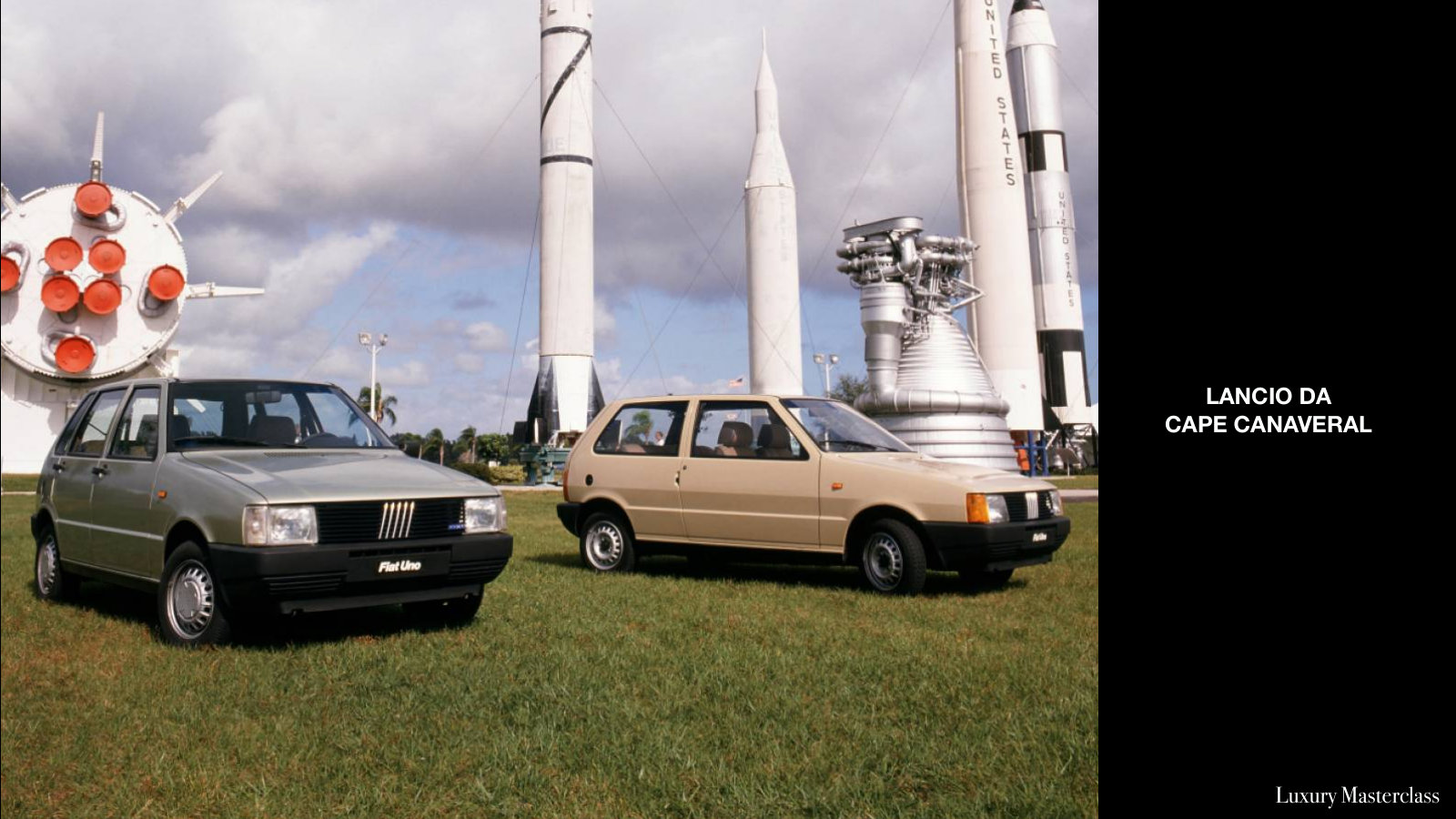
Ghidella embraced all 5 Ps of marketing, promotion included. The launch was spectacular, in the United States, at Cape Canaveral, at a NASA base, with the Uno next to the shuttles and the American rockets that dominated space then as now. In Italy the cartoonist Giorgio Forattini was hired for a charm offensive, with an innovative campaign that linguists objected to: Forattini's cartoons brought to television, the Uno described as “comodosa, sciccosa, risparmiosa, scattosa”, made-up words for roomy, classy, thrifty and zippy. On one side the product, on the other aggressive, brilliant marketing, which we would see again with other models and other brands. Many enter, one wins: the Fiat Uno, Car of the Year 1984.
The beauty of social networks is that on the Centro Storico Fiat page an engineer, Giancarlo, who was in the technical department, recounted that as soon as the project started everyone was called into management with precise instructions on the need to work seriously, respecting all the fundamental standards, including the total quality approach the company had adopted a few years earlier, and with a forest of acceptance specifications for component suppliers to prevent any defects. You could say the first Japanese car in Europe was the Fiat Uno, built to standards of absolute quality and precision.
The robotised factory
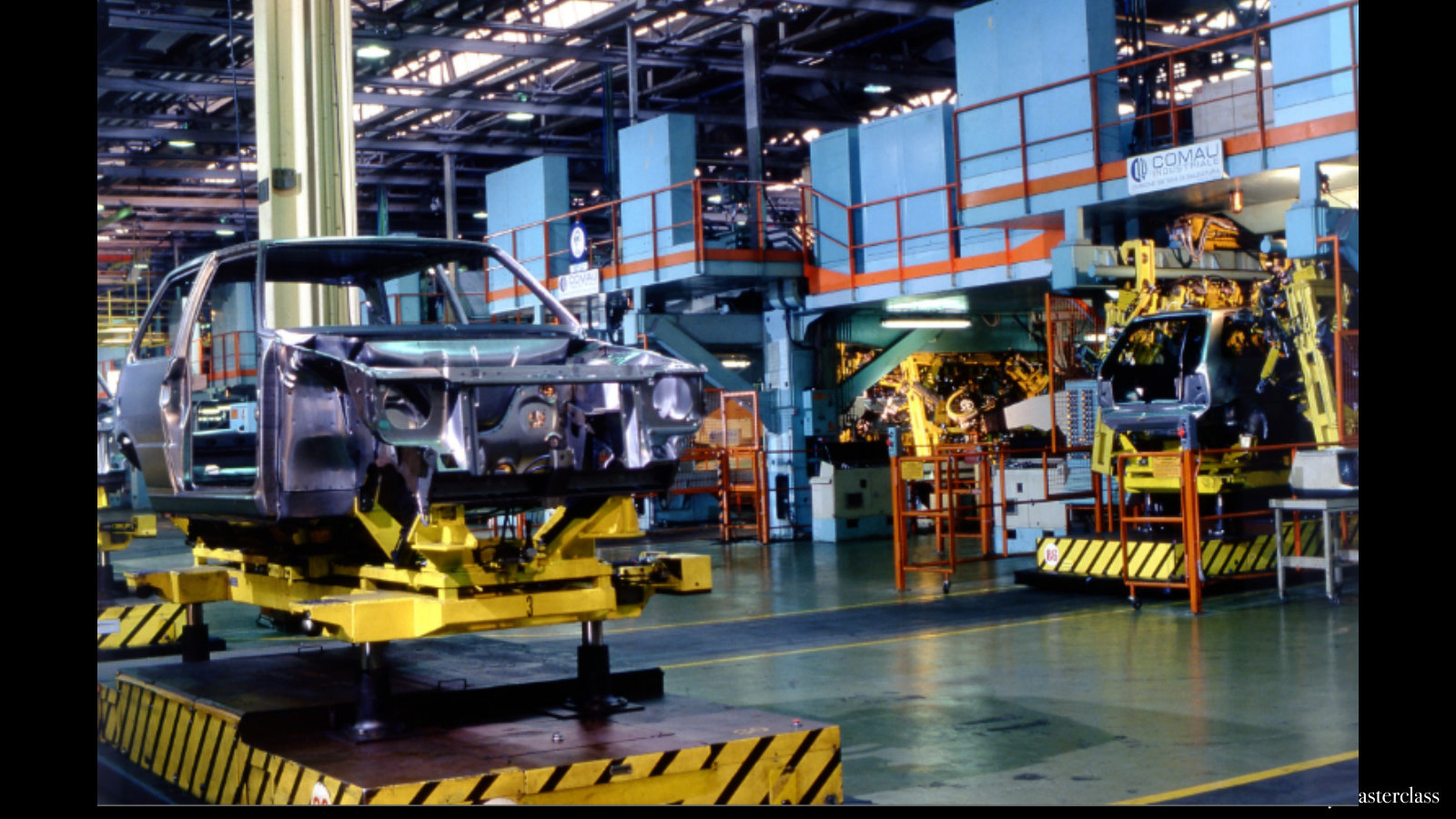
Alongside the model came the Fire engine, built entirely by robots, more efficient and reliable than European engines: a quiet technological revolution. Ghidella also innovated the process, taking automation to levels never seen in Europe. The Termoli plant became a world model, Cassino and Rivalta were modernised, and within a few years Fiat went from backward factory to industrial benchmark, ending up as Europe's number one carmaker, beating the German giants. Look at the pictures from 1984: the robots, the technology, how clean the factory is. Many factories today, in the United States or in France, are in worse shape.
Fiat number 1 in Europe
The Uno's success brought confidence, money and customers, and Ghidella launched an unprecedented product offensive. In 1986 he persuaded Gianni Agnelli to buy Alfa Romeo from the state, bringing a legendary brand into the group and integrating it into the strategy for the range, sportiness and the high end. People began to think in terms of the Fiat group: a portfolio of brands, each speaking to a specific group of customers. In the upper segment the winning range was made up of the 1985 Fiat Croma, the world's first car with a direct-injection turbodiesel engine, the Lancia Thema, which took on Mercedes in Italy and Europe, and the Alfa Romeo 164, designed by another Italian master, Pininfarina, which brought Alfa back to the top of the range, challenging BMW head-on.
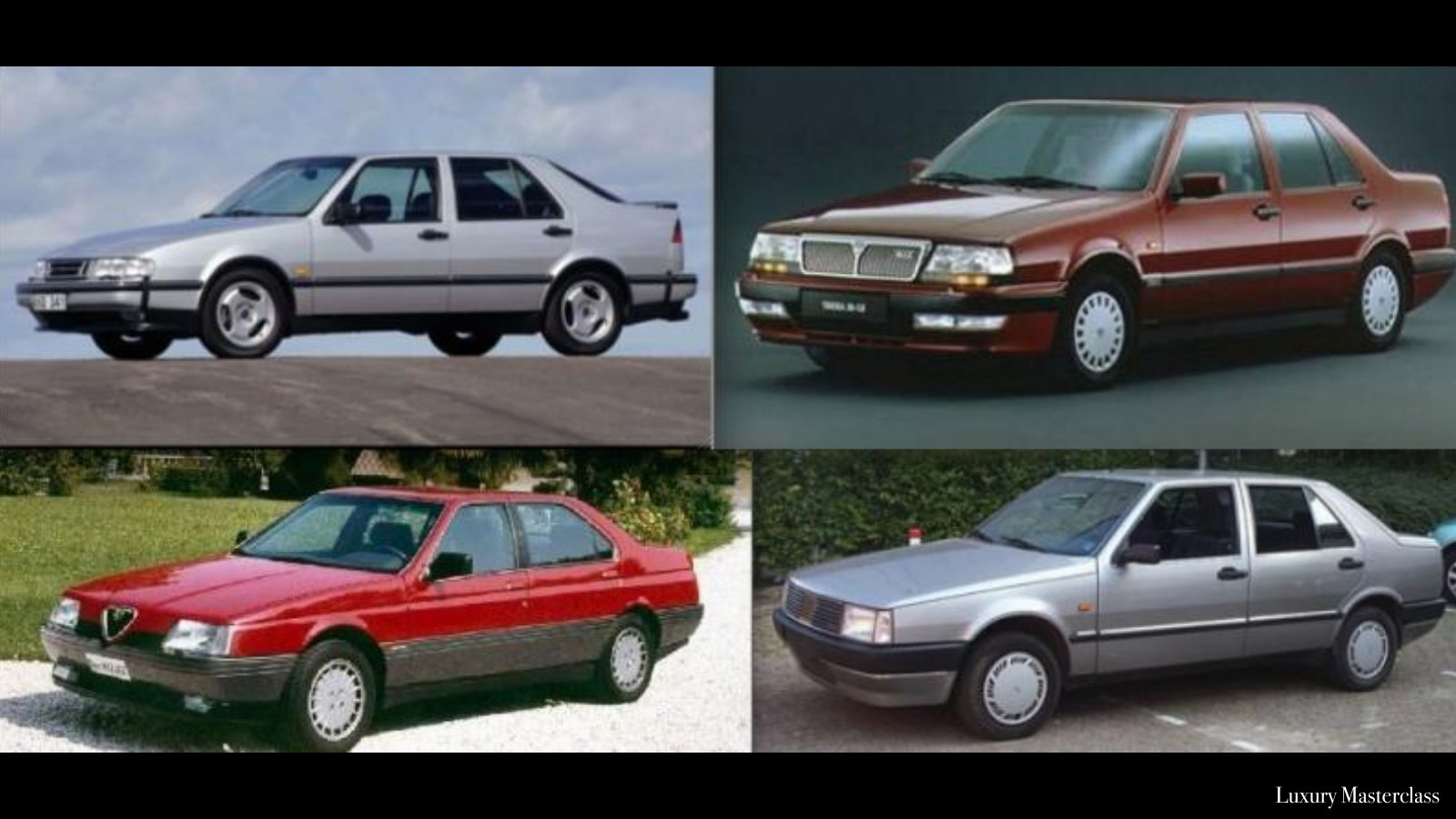
All this came from a technical innovation: the Tipo 4 platform, joined by the Saab 9000 to share costs. Developing a single platform on which to customise interiors, bodywork and, according to the tastes of each brand's customers, suspension and engines too, protects the company's margin because the investment is spread over one platform. Today almost every carmaker does it, and the Volkswagen group under Piëch was a master of it with the Golf and the Audi A3. But Ghidella invented it: he is the father of the modern industrial strategy based on a single platform. The Thema, 164, Croma and 9000 even share the same doors. Brand differentiation, a product customised for the customer, a single platform because industrially and financially the numbers have to add up.
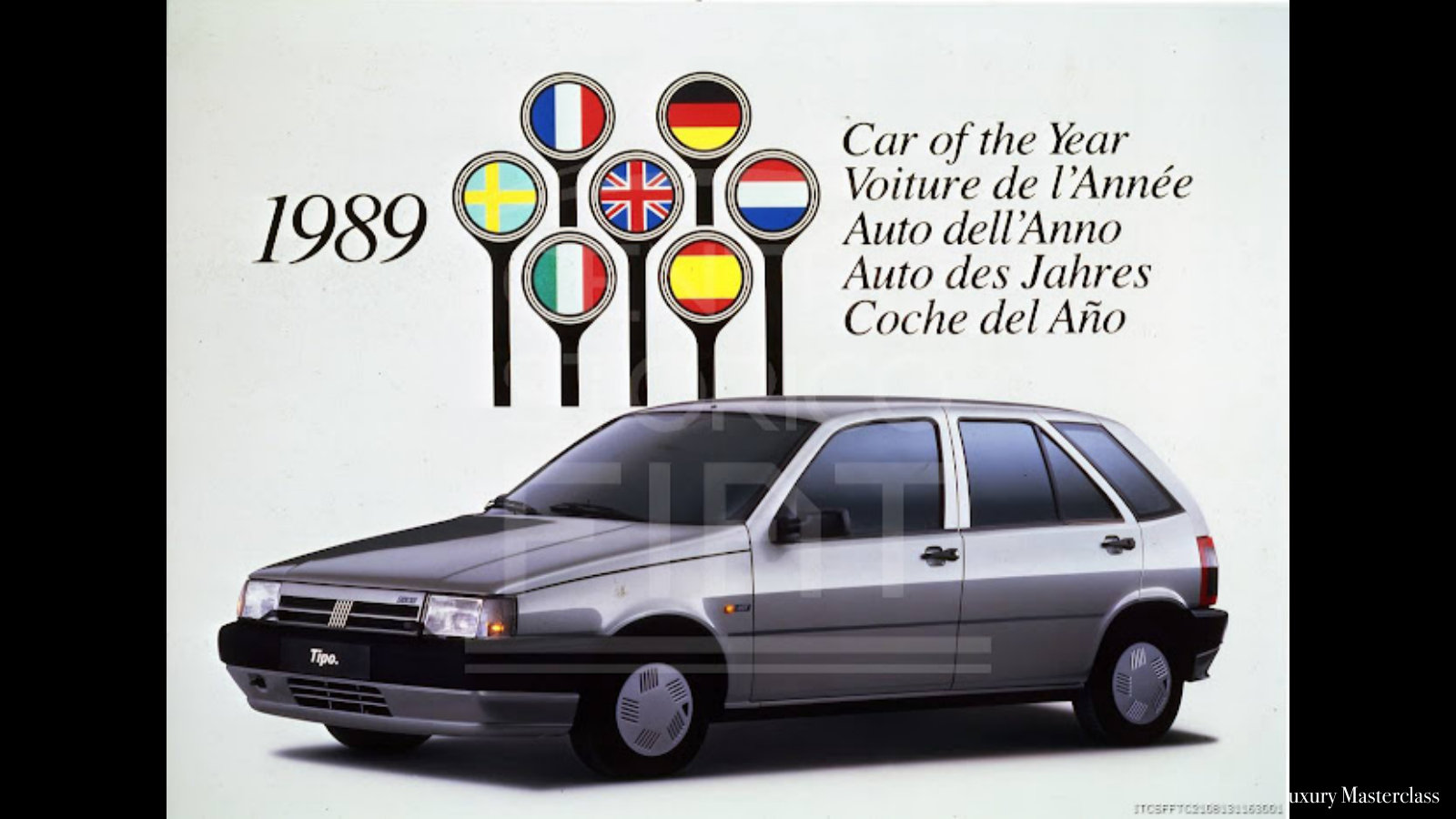
In the C segment came the 1988 Fiat Tipo, Car of the Year 1989 and a sales record in Europe, built at Cassino with robotisation that was impressive for the time, using Comau robots.
Ghidella's marketing: the Y10 and Catherine Deneuve
Ghidella also refreshed the marketing, communicating in a young, fashionable way and making Fiat, Lancia and Alfa Romeo cool brands, a status symbol, each in proportion to its segment. Being an intelligent man, he understood that the product is the foundation but is not enough, and he invested in communication, image and positioning. The campaigns became modern and European: Fiat stopped being just the Italians' car.
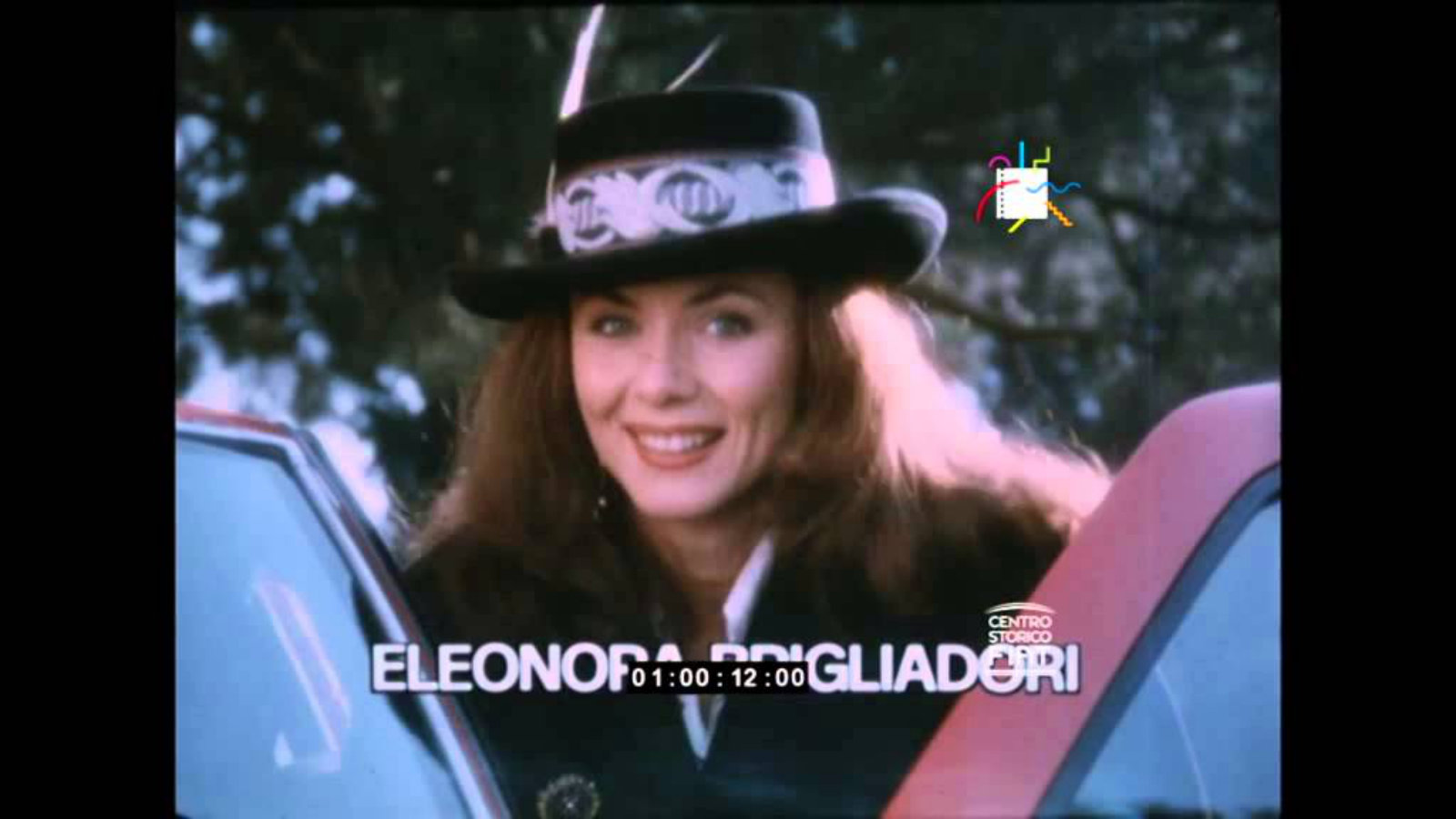
Even today the Lancia Ypsilon is considered a chic car that sells for a few thousand euros more than its Fiat, Citroën or Peugeot cousins. It all started with a slogan: “Y10, piace alla gente che piace”, liked by the people everyone likes. Forty years on it is still a successful slogan. A masterpiece of positioning built on a simple idea: the car is loved by famous, well-loved people, and so it becomes desirable for the television audience too. The payoff became a catchphrase because it evoked social aspiration. It's one of the basic elements we teach in our school: a premium or luxury brand must first of all communicate status and the bandwagon effect, create a community, and then add touches of refinement, such as the Y10's better interior finishes compared with an Uno.
The series of adverts showed the car in different situations with different celebrities: Milly Carlucci, Gino Paoli, Michele Placido, Ottavio Missoni, Ruud Gullit, Gianni Boncompagni, Dalila Di Lazzaro, Barbara De Rossi, Gerry Scotti, Andrea Roncato and the whole pantheon of Italian entertainment, culture and sport in the 1980s. Influencer advertising before the term existed: today there are influencers on Instagram; back then Lancia was the first carmaker to make the approach its own.
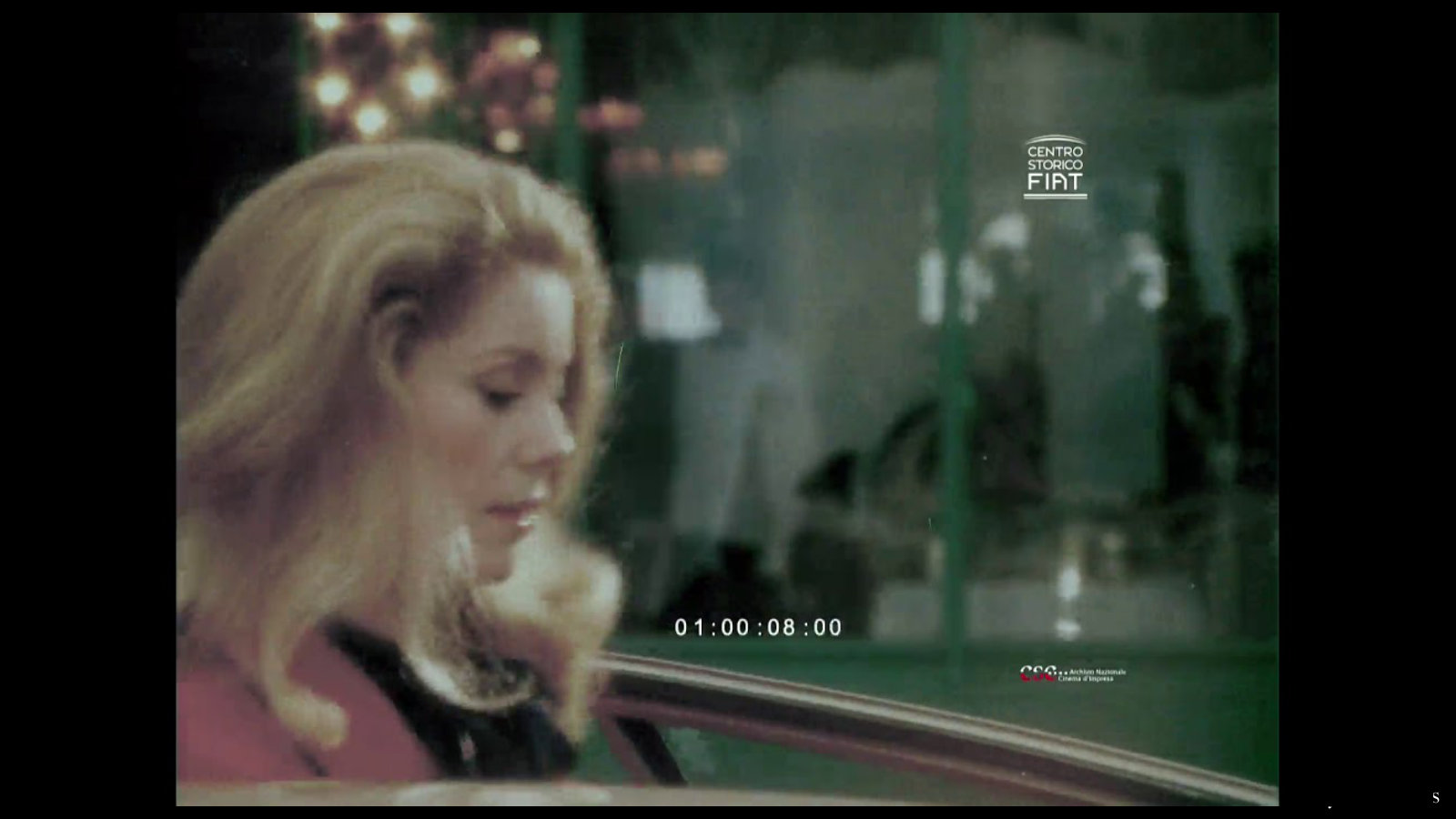
Then the Lancia Delta adverts, playing on status and the bandwagon effect. The one with Catherine Deneuve worked because it sold European cultural status: associating the car with her meant saying it was a car for people with taste. Desirability without talking about horsepower or engine size. And alongside it, the masterstroke: the rally programme, with the Delta Integrale winning several world championships, to add a sporting image to the prestige. “The whole world admires your Delta”, said the copy: collective pride, a winning Italian symbol.
Ghidella's numbers
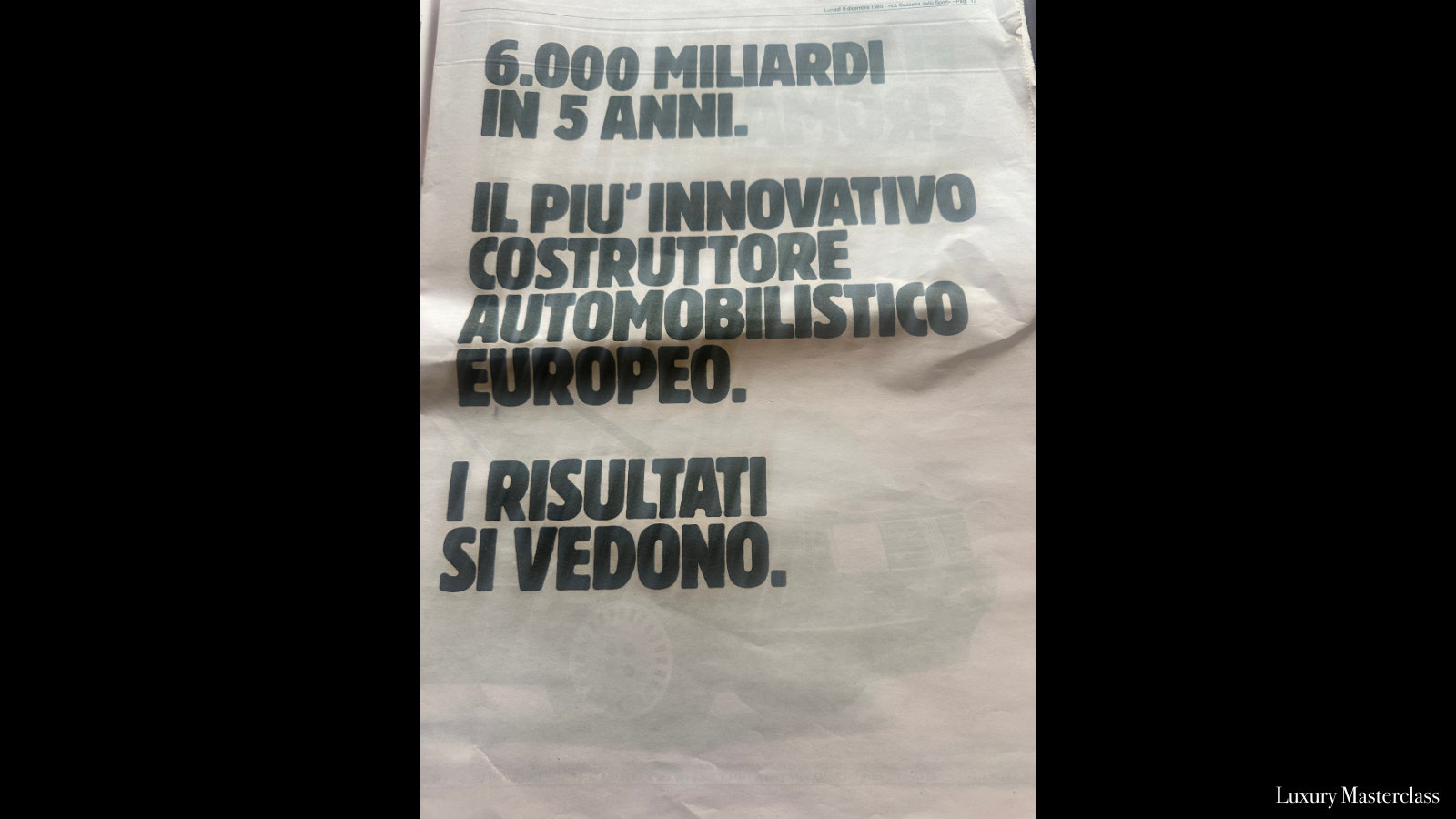
The results of the product and communication strategy: the Fiat group was Europe's leading carmaker by registrations in 1986, 1987 and 1988, beating the Germans and the French. Two Cars of the Year in 5 years, the Uno and the Tipo. The entire range renewed. A stock market value higher than Volkswagen's. Fiat said so in its press campaigns: 6,000 billion invested in 5 years in product and factories, Europe's most innovative carmaker, and the results show. The Ducato in 1982, the Uno launch in Florida, the Regata and the Panda 4x4 in 1983, the Regata Weekend in 1985, the Fire 1000, the Croma. An Italian source of pride: first in Europe for car production.
The clash with Romiti and the fall
The man behind all this was then pushed out of the company. One of the problems with too much success is that the company and its owners feel invincible: things keep getting better, and they always will. It's a tragic mistake we see again in later periods, because the market changes fast, and if the company loses its focus on product, customers, innovation, quality and marketing, sooner or later the crisis comes.
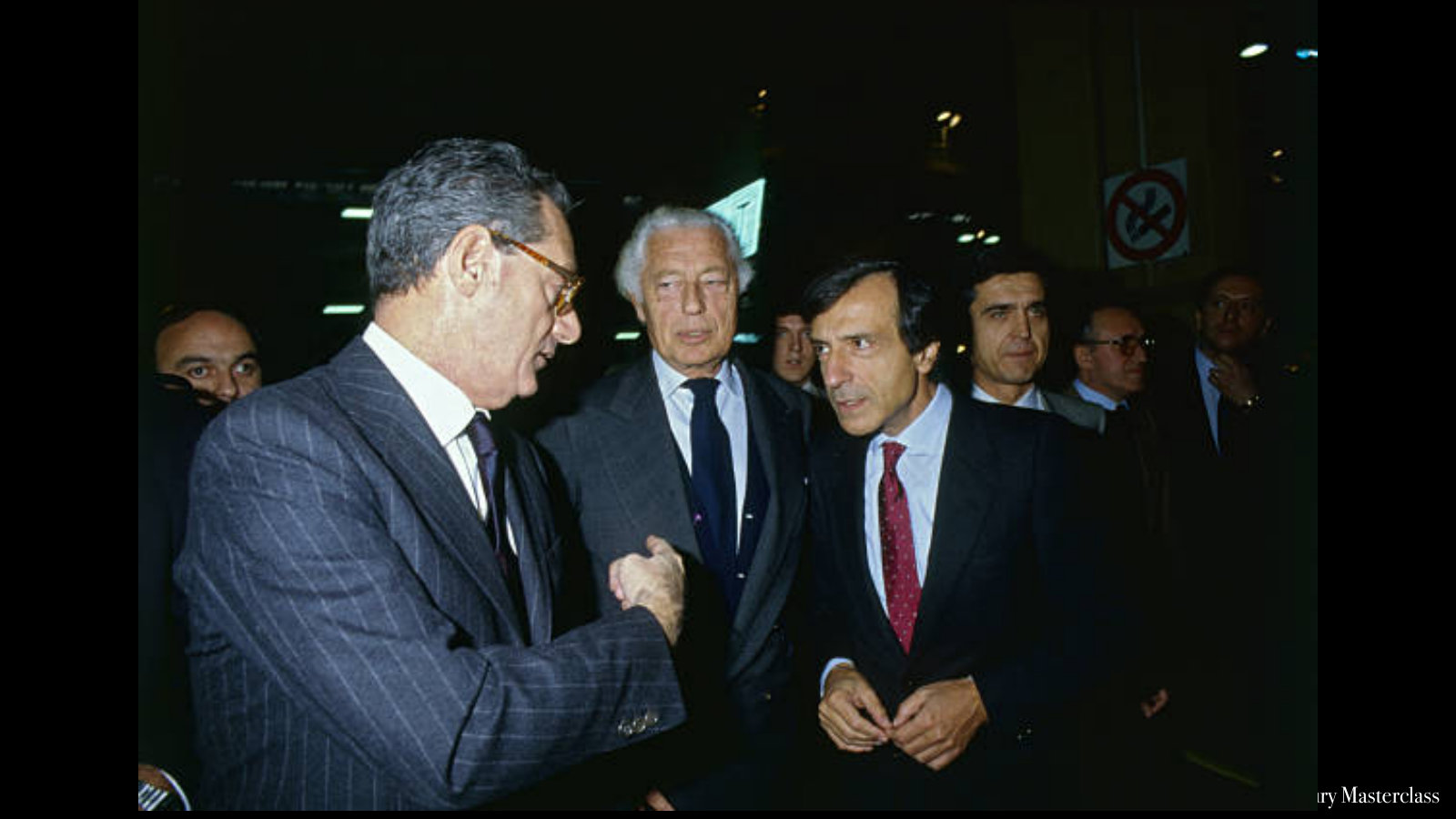
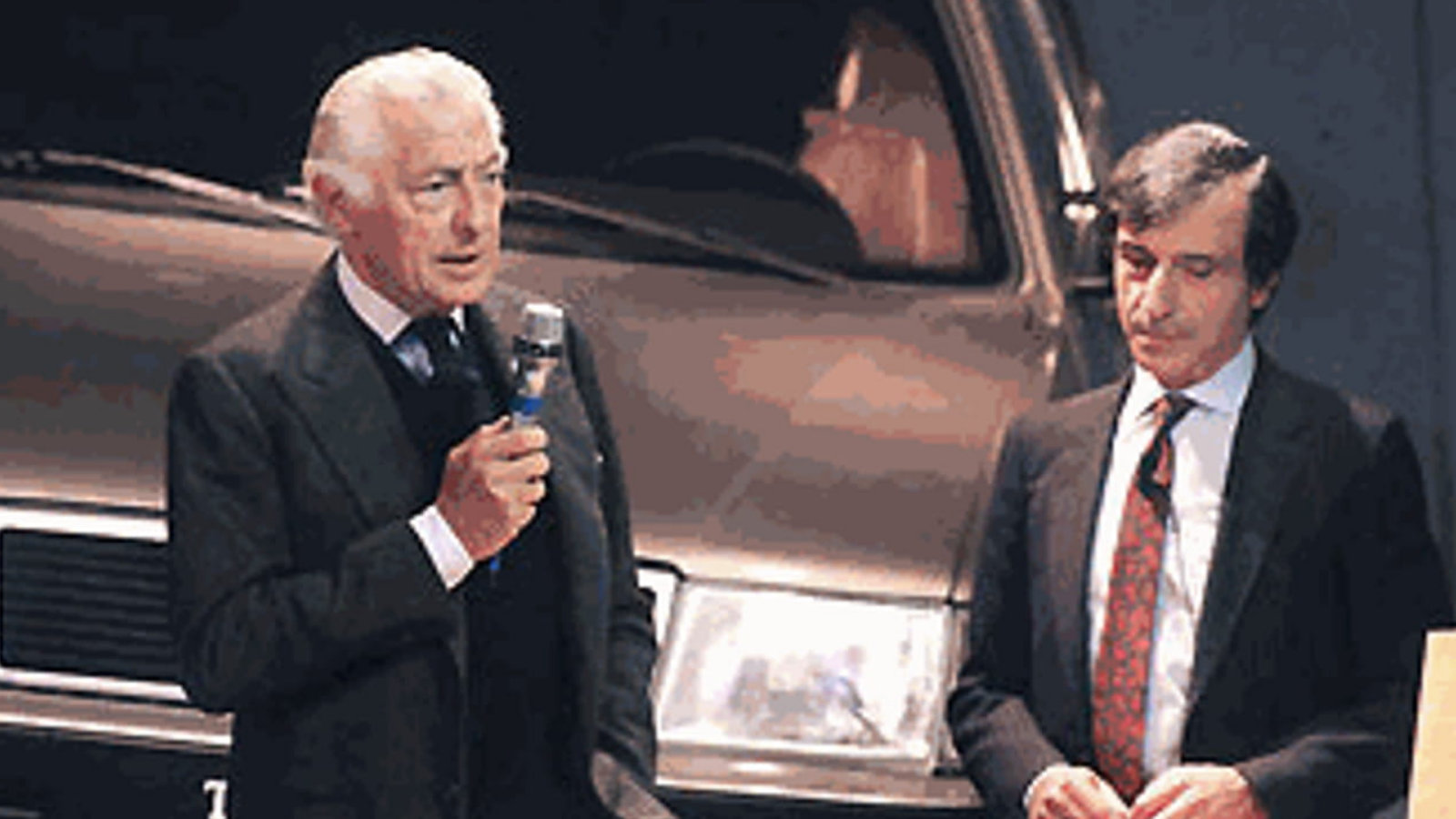
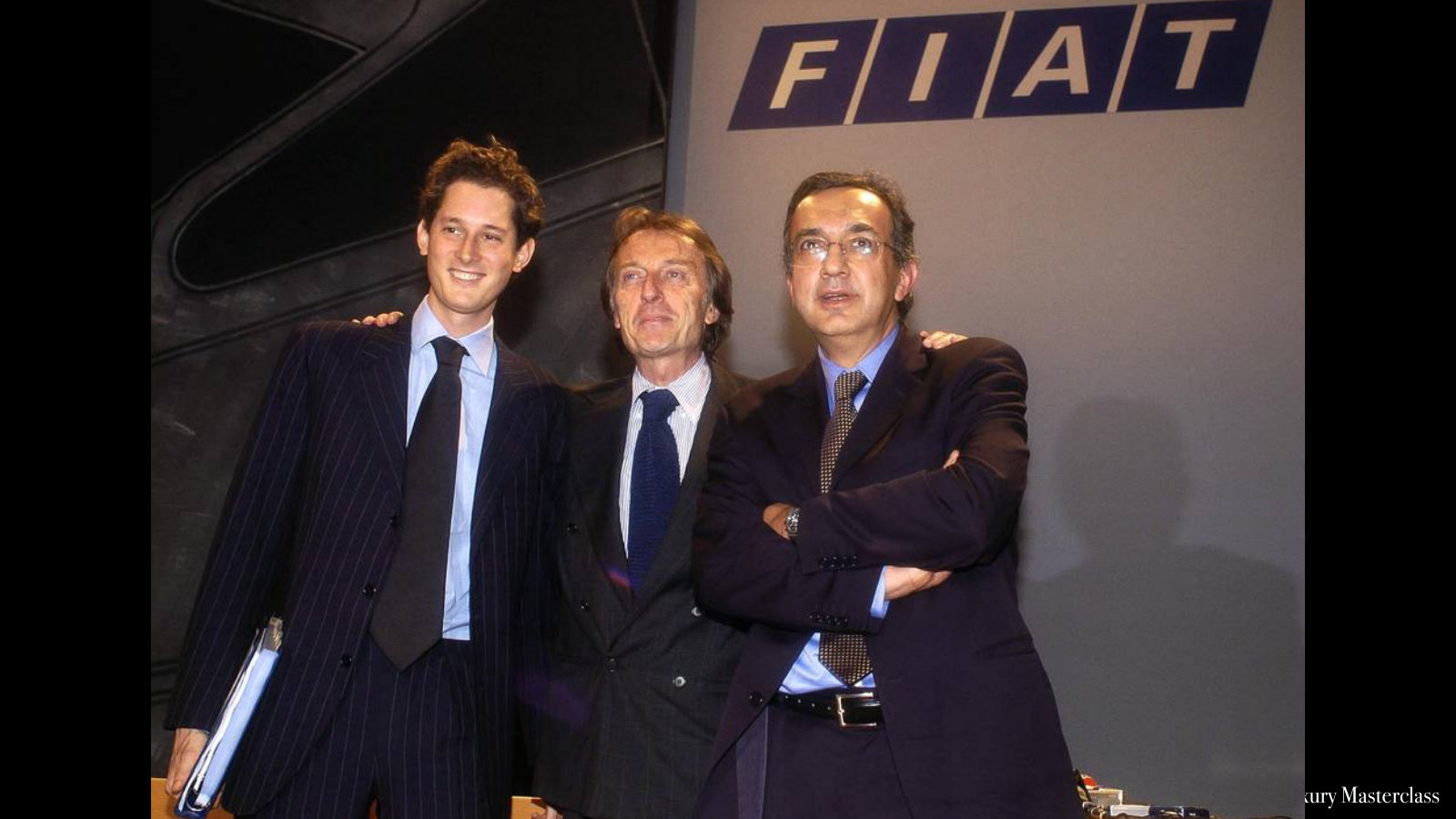
At the top of Fiat there was a clash with Cesare Romiti, the finance man, who was betting on insurance and telecommunications and wanted to diversify Fiat Auto's profits outside the core business. Ghidella insisted the future lay in the product. Two irreconcilable visions, and Gianni Agnelli sided with Romiti. In 1988 Ghidella was removed from the helm of Fiat Auto and left the group, like Iacocca at Ford, to whom we've devoted another video. The man who saved the company was pushed out at the height of his success. Without the obsession with product, quality and marketing, Fiat Auto went into a long decline: the 1990s were marked by mediocre models and falling quality, customers are not stupid, and market share collapsed. History would prove Ghidella right. It would take another hero, Sergio Marchionne, to save Fiat 20 years later. But that's another story.
Lessons for today's entrepreneurs
1. The product comes first, or rather the 5 Ps
Ghidella thought the product came before everything, and along the way he corrected course by bringing in marketing. I think the 5 Ps come before everything: the product together with the other four. Ghidella didn't look for financial shortcuts. Finance is fundamental, but it reaches the company because customers trust us and buy our product or service. If we stop investing in the product we can live off finance for a while, between bank accounts, extraordinary transactions and advances on receipts, but sooner or later the edifice collapses. At a time when everyone was cutting, he doubled his bet on quality: if the product is excellent, the market rewards you.
Start again from the basics, the 5 Ps. Positioning: what your brand is, which customer it speaks to, which market segment it sits in. Product or service: what you sell in exchange for the customer's money. Price: which bracket you sell in, and whether it is sustainable for your brand. Place, meaning distribution: whether you sell direct or through a network. Promotion: the whole world of marketing. If we are in a period of crisis or doubt about the future, this is where we start again. Once the 5 Ps are sorted, the company can only do well.
2. Invest when others cut
While everyone was cutting research and development, Ghidella was investing. The Uno was born precisely in Fiat's worst period. Those who invest in a crisis find themselves leaders when the market picks up. It isn't easy, but a crisis is when competitive advantages are created: when competitors brake, you accelerate. You need to spend better. Let's find the budget inside the income statement, with management control that pays close attention above all to fixed costs, and reinvest those savings in product, promotion and whatever brings in customers.
3. Position yourself upwards
Ghidella didn't want Fiat to be just the cheap car. With the Thema, the 164 and their sisters he raised the level of the whole range, Fiat's included: every model had to compete with the best in its segment. The lesson is to stop competing on price and raise the level of product, service and communication. You have to go up a step. The market rewards those who dare to position themselves high. Our products and services must deliver status, refinement and the bandwagon effect: customers must be proud to buy from us.
4. Innovate the process too
Ghidella also changed the way cars were made: robotisation, efficiency, production quality. The Robogate at Cassino was science fiction for its time. For an SME today it means a good product isn't enough if the process is inefficient. If the income statement isn't positive at the end of the month, beyond the 5 Ps we look at the process: how you produce, how you buy, how you distribute, how you deliver, how you manage the customer. Process innovation is the invisible advantage competitors can't copy.
5. Have a clear vision and defend it
Ghidella knew exactly what he wanted: Fiat had to be a company of excellent cars. He didn't let himself be distracted by finance, by fashions, by political pressure. He was right, and he was pushed out precisely because of it. We small business owners have an advantage: there is no board to fire us. So let's start again from the 5 Ps and not be distracted by passing fashions. Let's stay focused on the product, the customers, the price, the promotion and the positioning of the brand: that's what makes us strong in today's market. Quality and positioning outlast fashions. A brand that speaks to high-end customers, a quality product or service, prices at least 30% above the average: this is the way to prosper. An entrepreneur's courage lies in staying true to his vision even when everyone says to do otherwise. Ghidella was right, and history proved it.
Frequently asked questions
Why was Vittorio Ghidella removed from Fiat?
In 1988, at the height of his success, he clashed with Cesare Romiti, the finance man, who wanted to diversify Fiat Auto's profits into insurance and telecommunications. Ghidella insisted on continuing to invest in the product. Gianni Agnelli sided with Romiti and Ghidella left the group.
What is the Tipo 4 platform?
The shared platform on which the Fiat Croma, Lancia Thema, Alfa Romeo 164 and Saab 9000 were built: a single floorpan customised for each brand in bodywork, interiors, suspension and engines, to spread the investment and protect the margin. It is the industrial strategy almost every carmaker uses today.
How much did the Fiat Uno project cost?
More than 1,000 billion lire, invested during Fiat's worst period. The Uno was Car of the Year 1984 and sold 9 million units, with the Fire engine built entirely by robots.
What are the 5 Ps for an SME?
Positioning, product, price, place and promotion. They are the basics to start again from in a time of crisis or doubt: the brand and the customer it speaks to, what you sell, at what price, how you distribute and how you communicate.
One live webinar a month.
One topic, questions from the business owners who join, answers without sales slides. It's free and in Italian, and it's the simplest way to get to know us.
See the next webinar →