



The art of negotiation: 3 rules for never letting them see you bleed
Every move an entrepreneur makes is a negotiation, with customers, suppliers and employees. In this chapter, which closes the 7 rules for winning in business, I give the three rules I use in negotiations, including million-dollar ones, in the United States: the mindset of not needing the order, the good-faith conviction that your product is the best choice for the customer, and the reputation that must precede you, down to the handwritten thank-you note.
We need your consent to play it: YouTube uses cookies that may profile what you watch.
Cookie preferences- Every move an entrepreneur makes is a negotiation: the better you negotiate, the more effective the company.
- Rule 1: never let them see you bleed. Before going into a negotiation, tell yourself "I don't need this order".
- Rule 2: make the other side understand that closing is in their interest. A sale is always win-win.
- Rule 3: show good faith and trust. Your reputation must precede you, through public relations and press coverage.
- After every meeting, a handwritten note. As Montezemolo used to do.
We are always negotiating
Negotiation is a fundamental part of a company's life: we negotiate when we buy, when we sell, when we talk to other people. Every move we entrepreneurs make is a negotiation, and the entrepreneur has to recognise its aspects, because it is an indispensable management skill. The ability to negotiate has a direct impact on the company's effectiveness: the better you are at negotiating, the more effective and efficient your company is.
Rule 1: never let them see you bleed
In a negotiation with a customer there is only one rule: never let them see you bleed. The worst thing is to look anxious to close the order. I have seen it done many times: an attitude of need that leads to disasters, to dirty sales, closed with discounts and perhaps losing money at the collection stage because of extended payment terms. If you go into a negotiation anxious to close, the customer understands immediately, understands that you need that order, and you are a dead supplier: you will probably close on the customer's terms, losing margin and worsening your company's standard payment terms.
The right mental attitude, even if you need that order to hit your budget, to keep the factory running or to win that customer, is to repeat to yourself: I don't need this order. When I go into negotiations with American customers for million-dollar contracts, my aim is obviously to win the order, but before going in I tell myself I don't need it: it is win-win, you win and I win, but even without this order I'll do fine, perhaps even better, because I won't clog up the factory. Once you have done this exercise you go into the negotiation more relaxed, more at ease with the customer, as if the customer were doing you a favour with the order.
Rule 2: closing the deal is in their interest
The second rule is to make the other side understand that closing is in their interest. When I sell, I truly believe my product can help the customer: if you buy a kitchen or a bathroom from me, or 50 kitchens and 100 bathrooms for your building, I am firmly convinced it is in your interest, because you won't find any other company in the world that gives you better quality and better customer service at the same price. I really believe it, and that is what you have to do too: believe in good faith that your product is the best choice for the customer, and make them understand that their main interest is to buy from you. Try to understand the customer's goal, motivation and desire in order to conduct the negotiation effectively: a genuine connection with the other side leads to the best result for both. A sale is always win-win: in a positive sale both supplier and customer gain.
Rule 3: good faith and trust
The third rule is to show the customer that you are doing everything possible to negotiate in good faith, building a relationship based on trust through empathy. By appealing to the other side's emotions you build a rapport, a mutual understanding, and you close the deal. The customer has to see you as a decent person, clean-cut with a professional look, and has to know you before you enter the negotiation: they must have an excellent opinion of you.
Your reputation precedes you
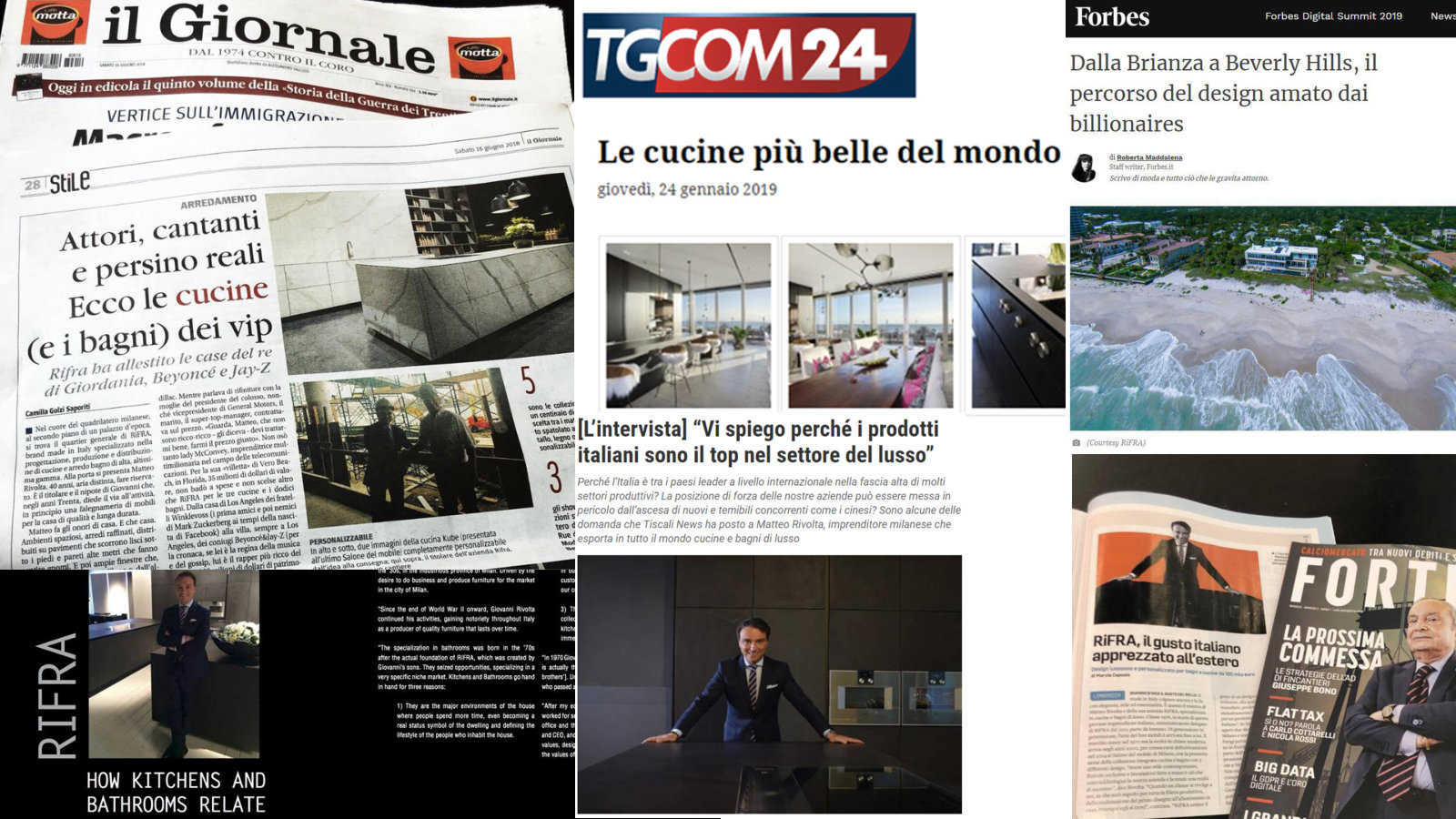
Generate interest in yourself before the negotiation: to the other side you must not be a stranger. Do public relations, hiring an agency or training people in-house. Journalists are always looking for stories, and the more newsworthy the stories, the more they get published. Your person has to appear before your products. In the articles published about me and my company, from Forbes to Fortune to Il Giornale, I am always in the photo, because that way I can email the press coverage to important customers before the first appointment, and come to the negotiating table with a certain reputation.
Make the other side feel important
Make the other side feel more important than they really are. Look up information about their company and about them personally, do your research, congratulate them on their project and their company: sometimes a strategic deference, being humble and deferential towards the customer, helps you reach your goal. Before going into a negotiation ask yourself: what is the customer's interest in closing this order? What is their advantage if they buy from me and not from others? What is their weak point, and how can I use it in the negotiation? Always answer these questions before going in; you'll find them in the exercises module.
The handwritten note
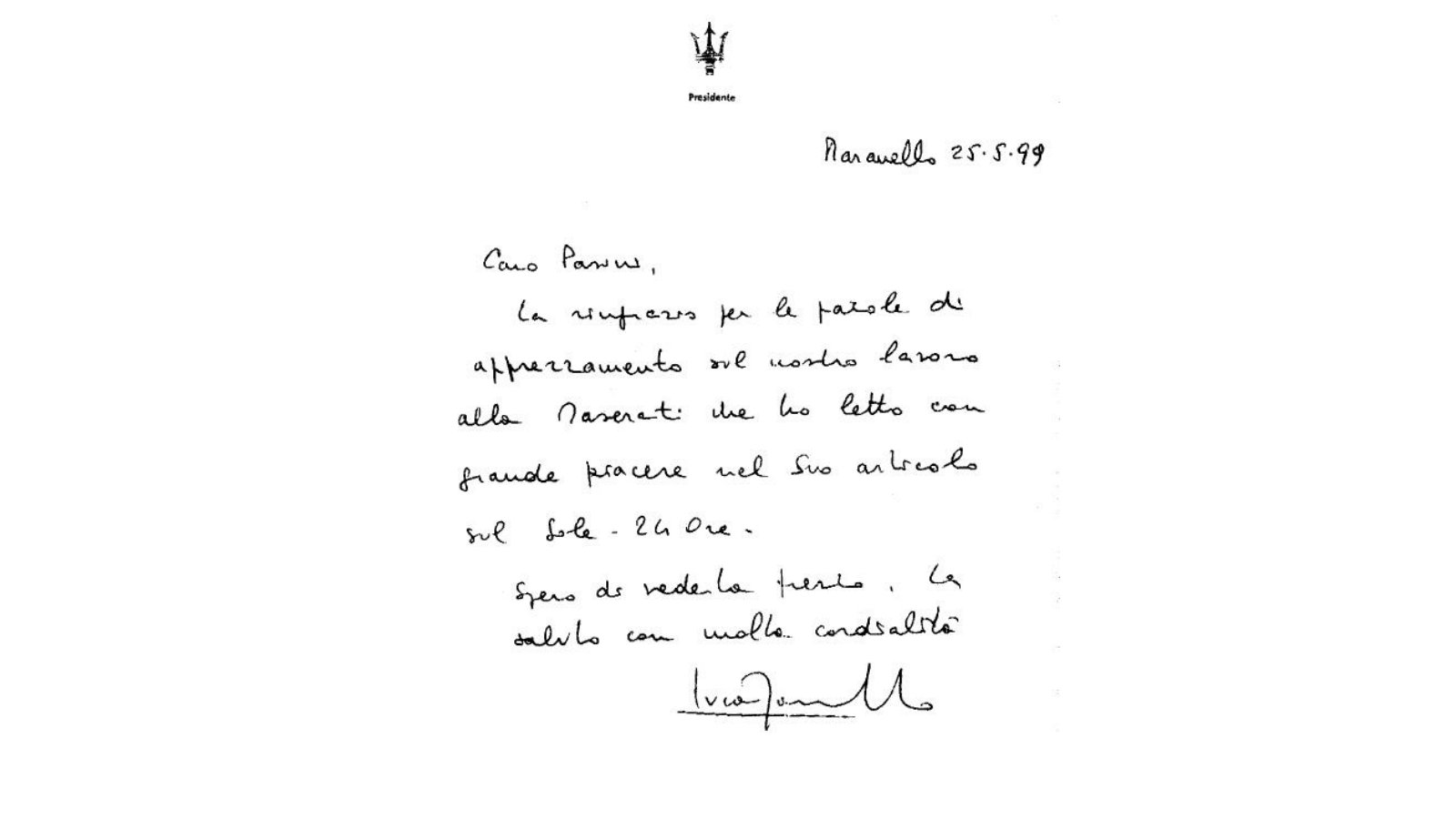
At the end of the meeting, however it went, first appointment, second or closing, write a note by hand to thank the customer for the time they spent with you. Then the follow-up email, in which you set out precisely the next steps, calls or meetings. The note is only a thank-you: it is a tactic I use above all in the United States in business to business; it strengthens your personal image and sets you completely apart from competitors who don't do these things. A master of this tactic is Luca Cordero di Montezemolo, then chairman of Ferrari and Maserati: a letter in his own hand in 1999 thanked a journalist at Il Sole 24 Ore for his test drive of the Maserati Coupé. The greats do exactly this. We are small and have to develop a follow-up strategy with email and marketing automation, but we are Italian and we have to add something extra: a thank-you note at the end of meetings, especially in business to business, will be much appreciated and will move the negotiation towards a positive close for you and your company.
The 7 rules on one page
Negotiation closes the first module, the timeless rules for winning in business at a high level. Why sell at the high end, given the post-Covid situation in Italy and the foreseeable rise in taxes and costs. Your reputation precedes you, on how to work on your personal reputation. Plan everything, with planning strategies. Mental isolation, to select your sources of input and isolate yourself from social networks. Self-discipline, perhaps the most important thing for winning in life and in business: giving up short-term temptations to win in the long term. The skills to be a leader. And the negotiation pointers, for negotiations that favour you and your company. Download the module files, do the exercises, fill in the mental isolation file for 30 days and track your progress: after 30 days it will have become a habit.
Frequently asked questions
What is the worst mistake in a negotiation?
Looking anxious to close the order. The customer spots the need immediately and dictates the terms: you lose margin and worsen your payment terms. Before going in you have to tell yourself that you don't need that order.
How do you build trust before the negotiation?
With a reputation that precedes you: public relations, articles with your own photo ahead of the products, press coverage sent to the customer before the first appointment, and research into the other side's company and person.
What should you do after a meeting with a customer?
A handwritten note thanking them for the time they gave you, followed by a follow-up email with the next steps. It is a tactic that sets you apart from competitors, especially in business to business.
What questions should you ask yourself before negotiating?
What is the customer's interest in closing this order, what is their advantage in buying from me and not from others, what is their weak point and how to use it in the negotiation.
One live webinar a month.
One topic, questions from the business owners who join, answers without sales slides. It's free and in Italian, and it's the simplest way to get to know us.
See the next webinar →