



Lee Iacocca: the story of the man who saved Chrysler and an entire industry
In 1979 Chrysler was finished: a billion in losses a year, unpaid suppliers, 600 dealers on the verge of closing. Then came Lee Iacocca, fired by Ford in 32 seconds after inventing the Mustang. In this story, the first in the series, I retrace how he won over Congress, relaunched the product with the minivan and put his own face in the commercials, until he repaid the loan 7 years early. At the end, 5 lessons for anyone running an SME through a crisis.
We need your consent to play it: YouTube uses cookies that may profile what you watch.
Cookie preferences- Cut before you grow. Iacocca let 33 executives go in his first 30 days. First you remove what doesn't work, then you invest.
- Find finance or generate cash. Without cash no plan works. Talk to your lenders in good time.
- Communicate clearly. If you can find a better car, buy it. Lines people remember.
- Be credible: put your face to it. A salary of one dollar a year. Leadership is shown by example.
- Don't wait to be rescued. Help comes more easily to those who are already on the move.
1979: Chrysler was finished
In 1979 Chrysler was finished, with no money and no trust, until Lee Iacocca arrived. This is the first video in a format devoted to the stories of managers, entrepreneurs, companies and brands that can inspire us small business owners to put into practice, in our own companies, what they achieved. Lee Iacocca was an Italian American, born and raised in the United States and trained in Detroit, and he is the only person in the history of the American car industry to have served as president and chief executive of two of the Big Three, Ford and Chrysler. Today's title is: how to save a company and an entire industry, the forgotten lesson every entrepreneur should know.
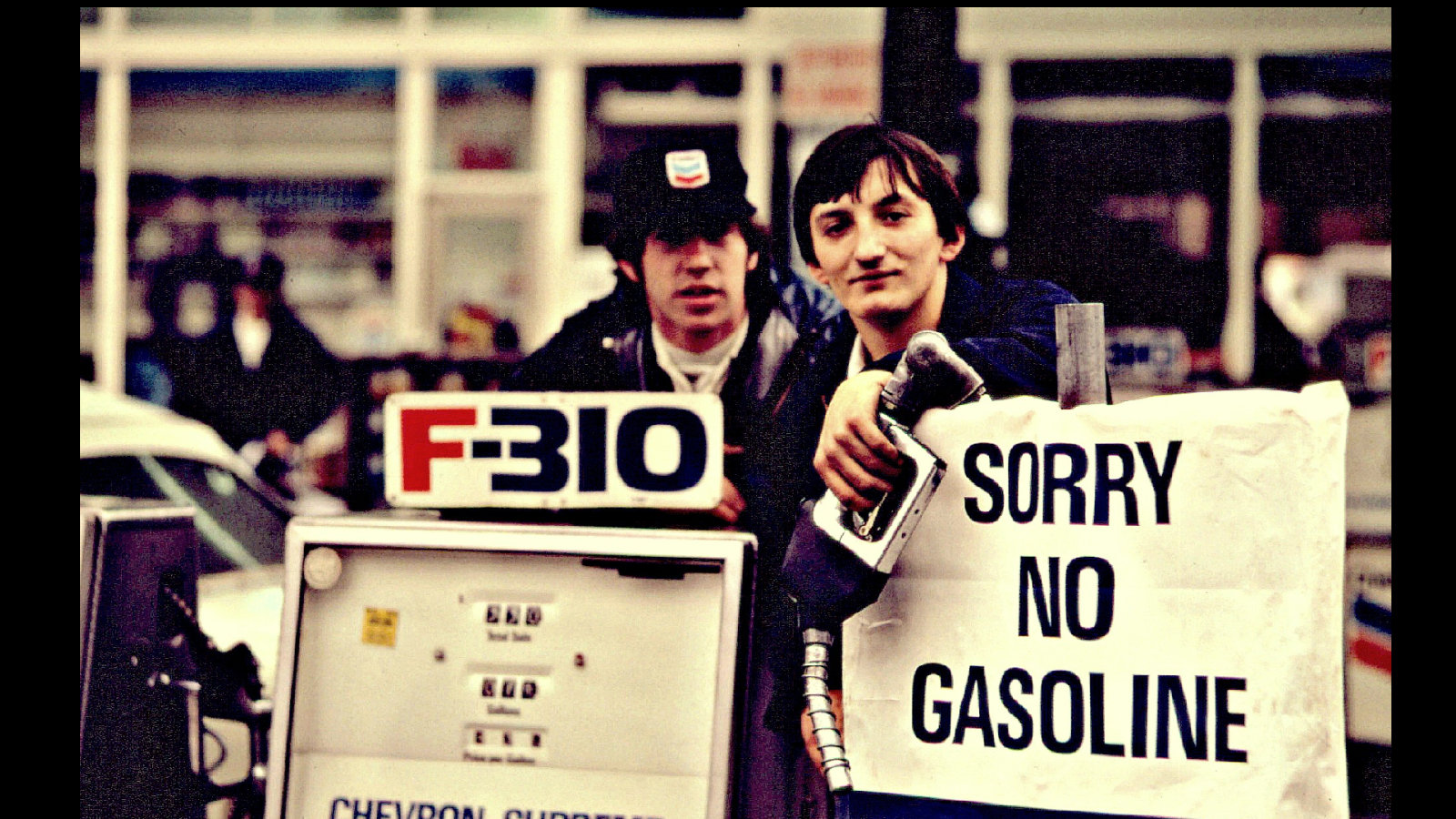
The context. It is 1979, the last year of Jimmy Carter's presidency, before the economic boom of the 1980s under Reagan. The end of the 1970s is marked by the oil crisis, the crisis with Iran and the seizure of American hostages at the embassy in Tehran. The world grinds to a halt because of oil: in Italy come the car-free Sundays, in the United States the pumps close, endless queues form at filling stations and prices go through the roof. Americans don't drive a four-cylinder like we do: they drive, and still do if they can, a V8 that drinks petrol like mineral water, and they suddenly find themselves trapped. Photos from the time show the signs Sorry, no gasoline and Out of gas at the filling stations. Energy crisis, recession, factories closing and unemployment at levels not seen since the Great Depression. The entire car industry of the Midwest, then entirely American with American brands, implodes. Detroit, the car capital, begins to fade amid closed factories and anger. From there began a depopulation that over the following decades would empty the city, as factories opened in Canada, South Carolina and Mexico.
The Big Three of Detroit are Ford, General Motors and Chrysler, which no longer exists as an independent entity: first FCA, now Stellantis. In 1979 Chrysler is the closest to the brink.
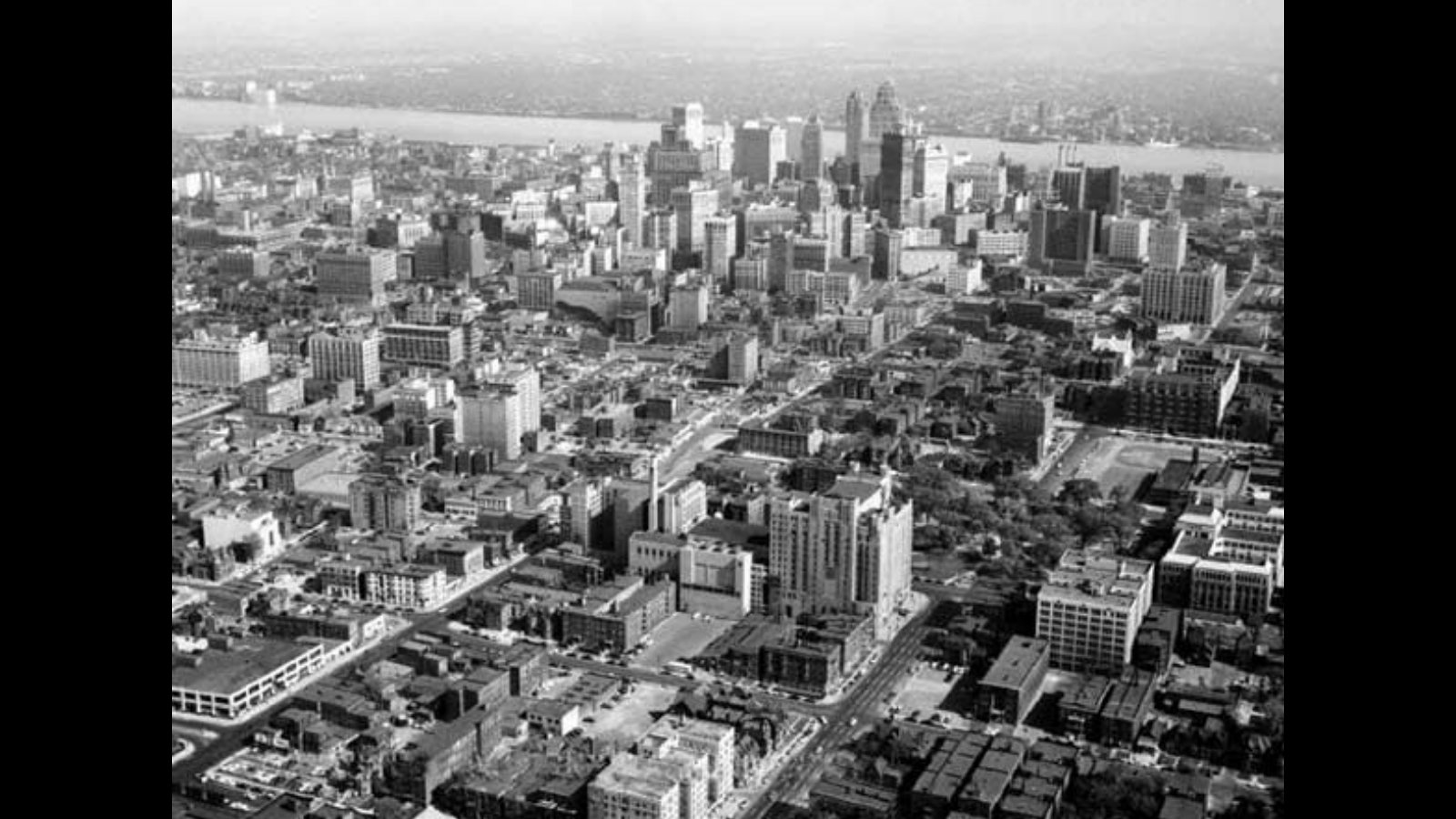
Who Lee Iacocca was
Iacocca was a man born and raised at Ford: an engineer, but a marketing man. He combined knowledge of the product and of production processes with a genius for marketing. If you have a couple of hours, the film Ford v Ferrari, with its Hollywood, pro-American narrative, gives an important role to the actor who plays him, when he goes to Maranello on Ford's behalf to negotiate the purchase of Ferrari, which then chose Fiat. His stroke of genius was telling Henry Ford II to stop making boring cars and to create, inspired partly by Ferrari's success, a line of emotional cars for customers looking for a product that was young, sexy, modern and beautiful, even at a higher price than the Ford range. The result was the Ford Mustang, still in production today, which became a Ford sub-brand and a milestone in world motoring.
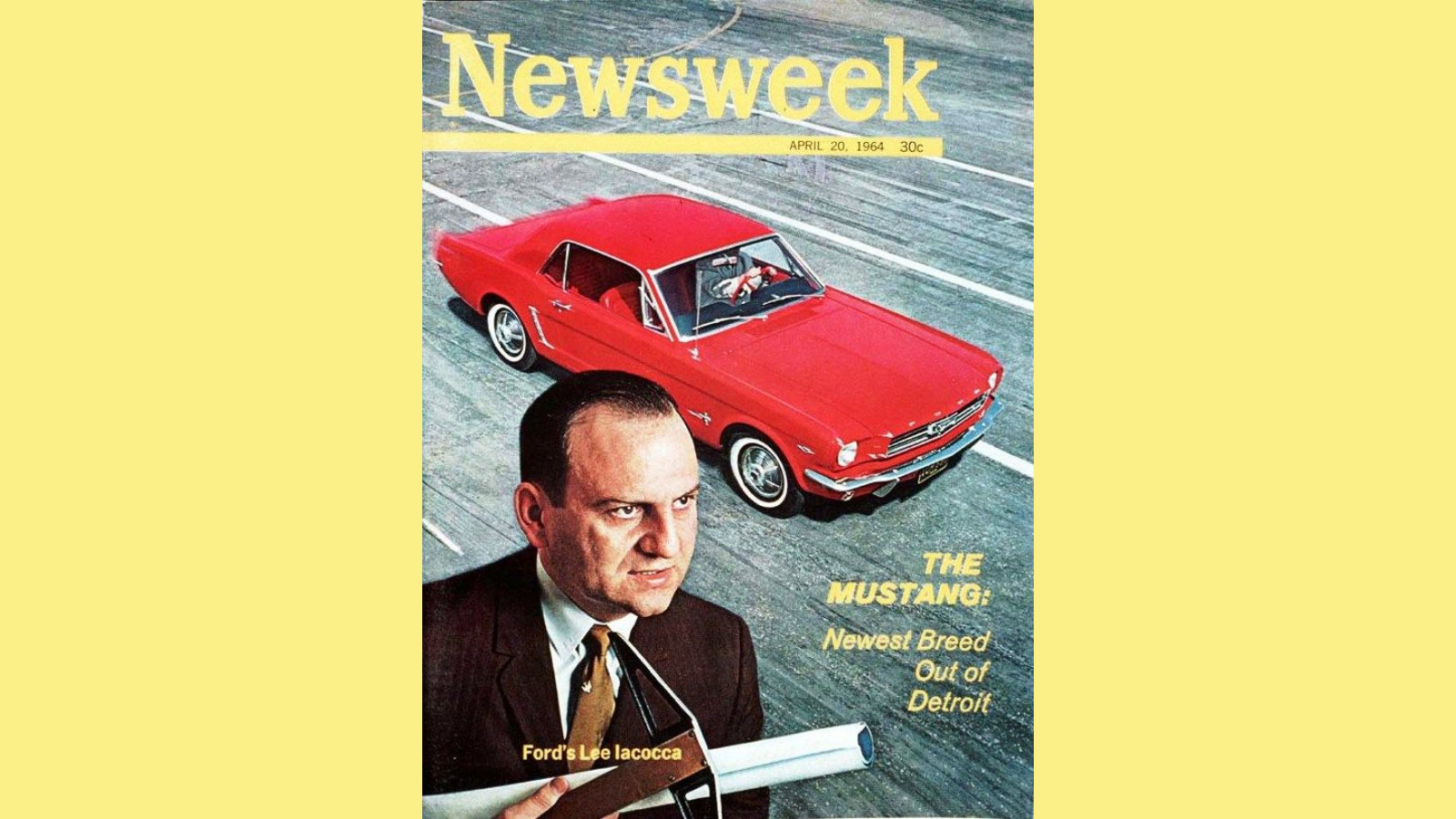
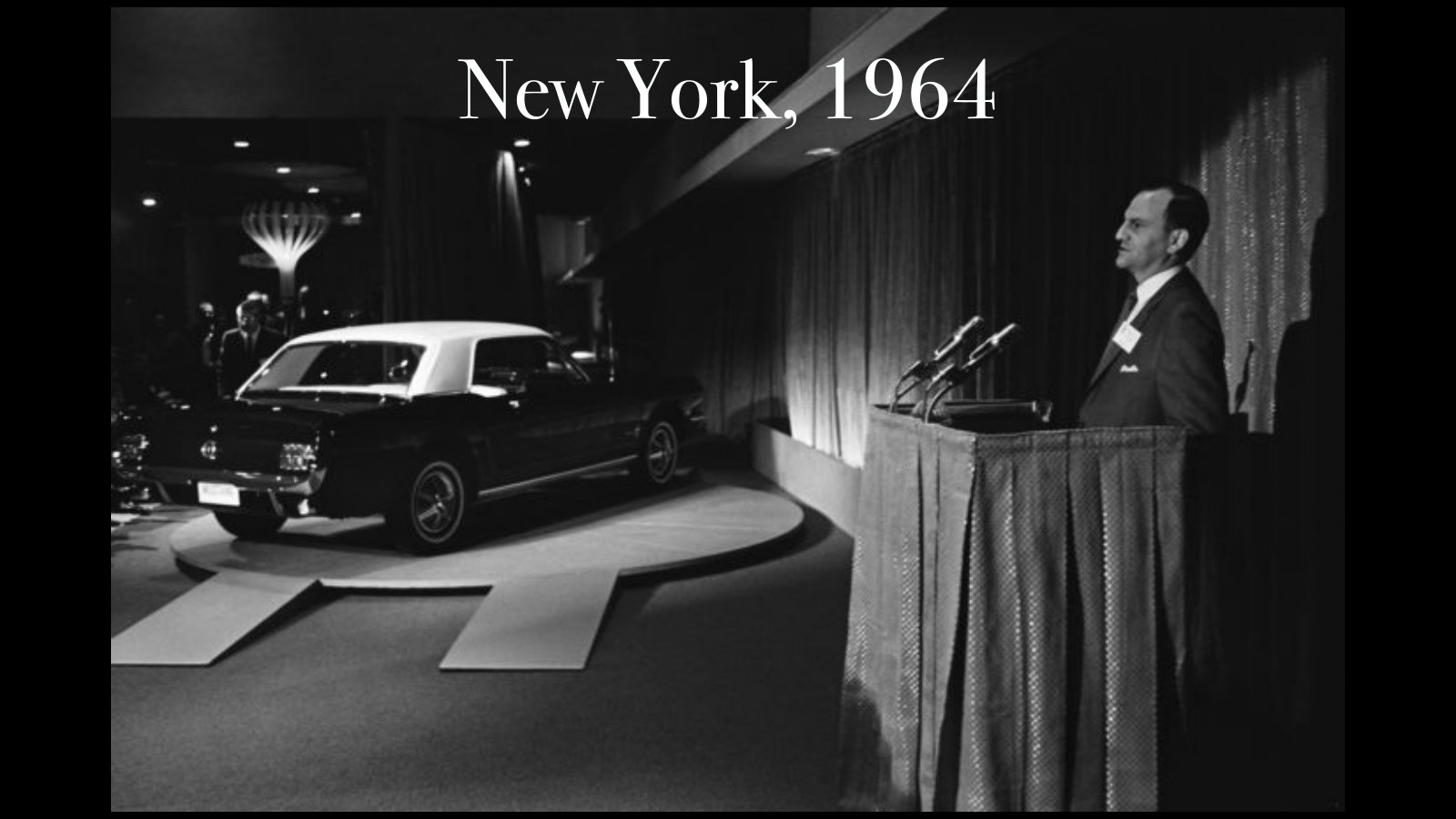
He joined Ford in 1946 as an engineer, made his name in marketing and at 36 was already vice-president and general manager. In 1964 he launched the most iconic car of its era: a million Mustangs built in the first two years. He introduced the idea of an aspirational car at an affordable price and the formula of 56 dollars a month: no longer just the list price, but instalments as a way of buying. Then he took over the premium Lincoln division, still very successful today in the United States and China, and turned it into Ford's most profitable division. In 1964, at the Mustang's launch in New York, you could already see it was a generation ahead of the cars before it. Then came the Newsweek cover, a breath of fresh air from Detroit, and the popularity that would later cost him his job, through the envy and jealousy typical of multinationals.
Fired in 32 seconds
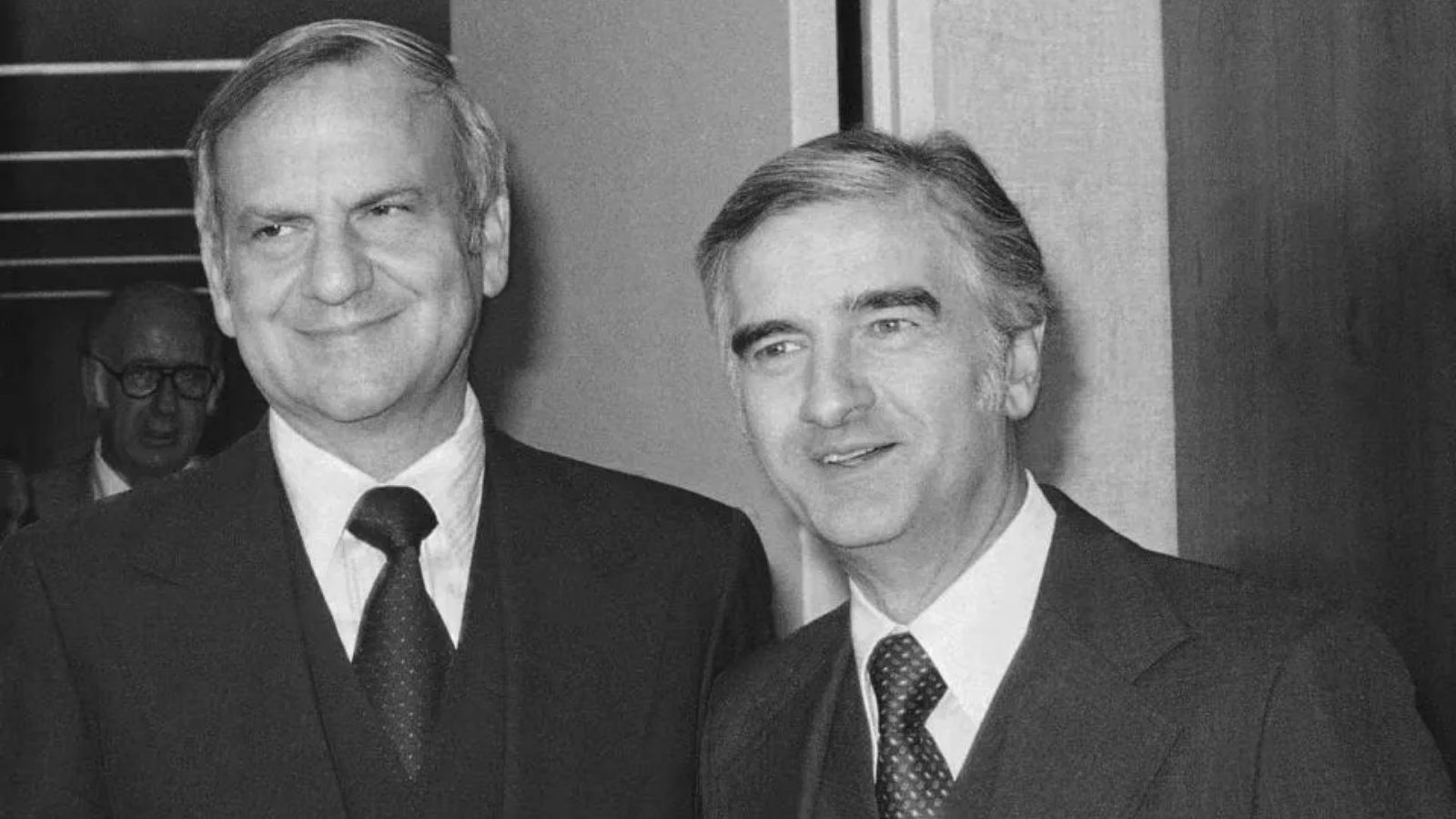
On 13 July 1978, the year before the great crisis, Henry Ford II called him into his office and told him: you're fired. No formal explanation. The unofficial one, which Iacocca wrote in his autobiography, was jealousy: his success was overshadowing Henry Ford II and the management. His line: I worked at Ford for 32 years, I brought billions into the company and I was fired in 32 seconds.
Chrysler on the brink
Of the Big Three, Chrysler is the one near the brink, for the first time. The second will be in the 2000s, when after the Mercedes interlude it ended up with the Cerberus fund and then, with the second rescue from Washington, with Marchionne. But that's another story. At the end of the 1970s Chrysler is losing a billion dollars a year. When you have no cash you don't pay suppliers, suppliers stop delivering, the production chain runs into trouble, customers stop trusting you. The plants are half empty and deliveries are stop-start. Wall Street has already sounded the death knell.
The chairman at the time, John Riccardo, understands that he needs a strong, credible figure to put in front of the market, employees, government, banks, suppliers and unions, with a credible relaunch plan and a Detroit man to lead it. He calls Iacocca, whom Ford has just released onto the market, a big mistake. Iacocca joins Chrysler in 1978 as president and a year later also becomes chief executive. His line: they threw me out in July, in October Chrysler offered me the presidency; I had a personal reason to accept, to prove I wasn't finished.
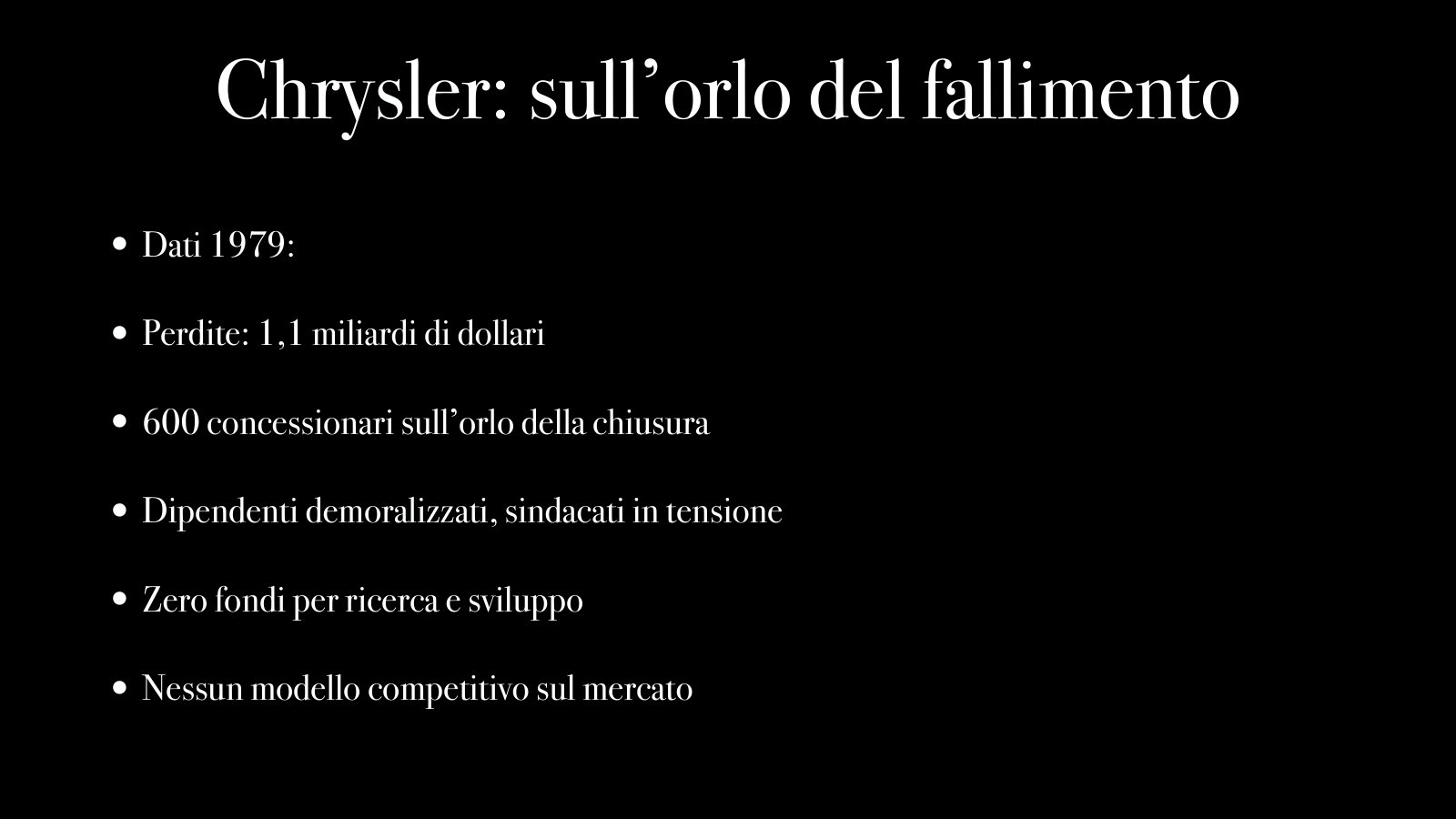
The company he inherits: a loss of 1.1 billion dollars, 600 dealers on the verge of closing, demoralised employees, tense unions, zero funds for research and development, no competitive model on the market.
The first moves
The first action is to shorten the chain of command: 33 top managers fired in the first few months. The cut starts at the top, with those who had led the company to failure with the wrong models and investments. Second move: he cuts his salary to one dollar a year. He could afford it thanks to his previous salaries and his Ford severance, but it isn't trivial: it is a symbolic and moral gesture to show the people working at Chrysler, the suppliers, the stakeholders and the lenders that the chief executive is putting something in too.
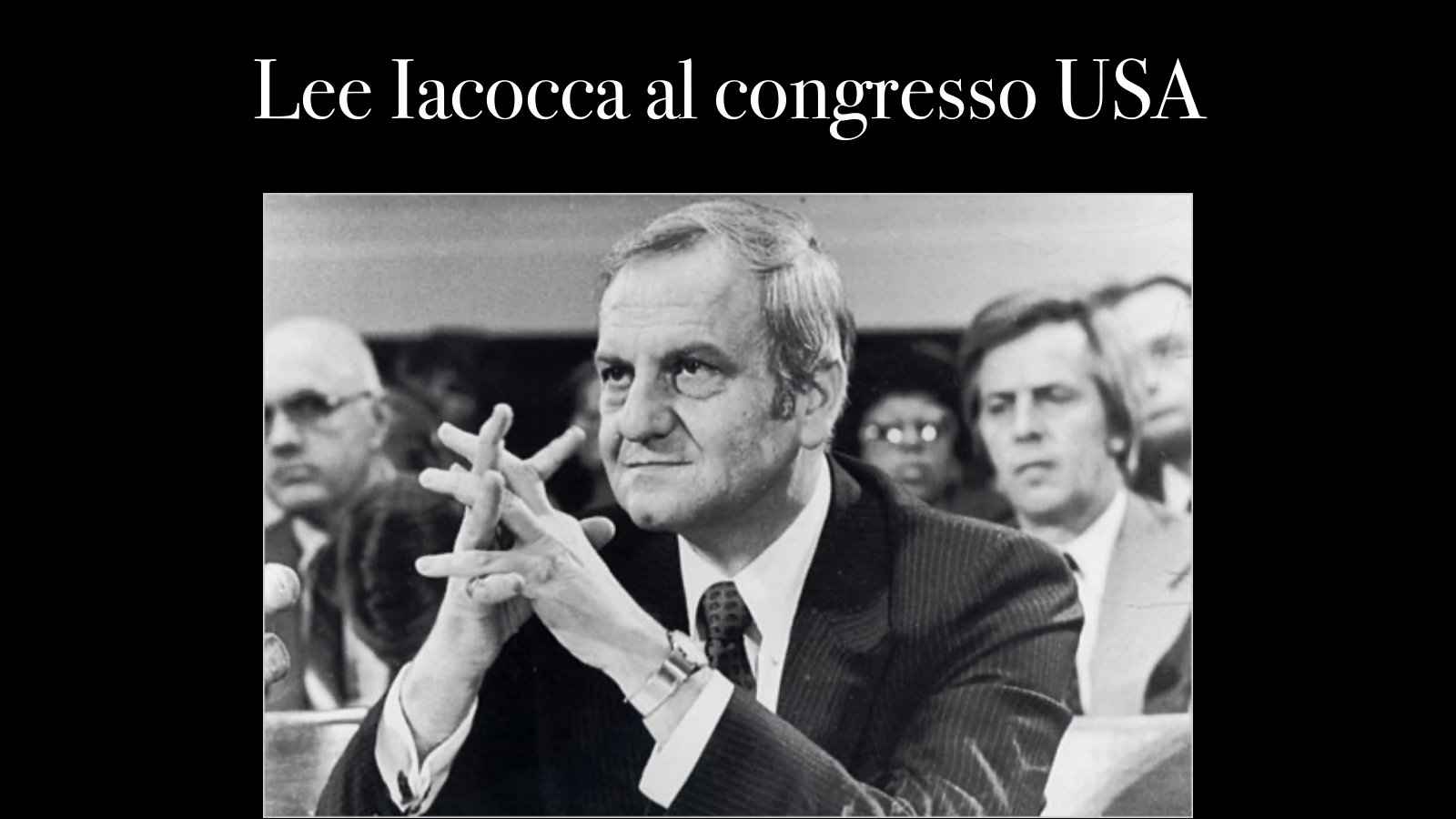
The strategic move: he understands that the banks can no longer give him credit and that, even if they did, it wouldn't be enough. He negotiates loan guarantees of 1.5 billion dollars with the US government, an enormous sum for 1979. He goes to Washington and presents his plan to Congress, which, after committee debates, votes in the House and the Senate. The climate is not favourable: American politicians don't hand out money freely to save industries, free-market thinking rules, and the market belongs to private capital. Yet first under Carter, and decades later under Obama, when both Chrysler and General Motors went into Chapter 11, Washington reached for its wallet.
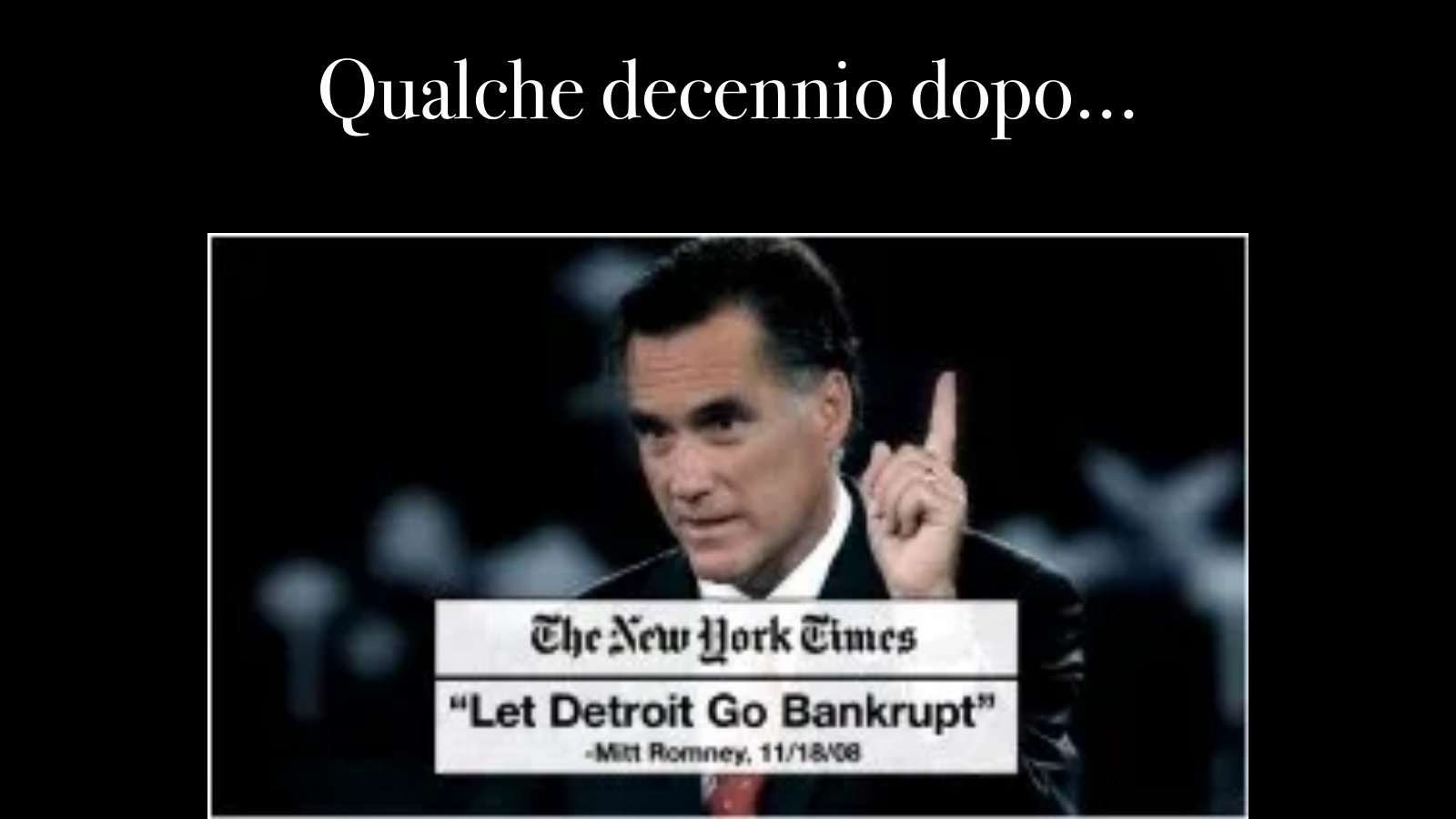
A 1981 article in The Nation was headlined: what's good for Chrysler is bad for the United States, because the taxpayers are the ones who pay. A few decades later the same narrative was taken up by the Republican candidate Mitt Romney in his famous New York Times article, Let Detroit Go Bankrupt, in 2008 after the subprime crisis: let Chrysler and GM go bankrupt. They did, into Chapter 11, but they were rescued by the government, and Chrysler later became Fiat Chrysler. Back to 1979. Iacocca wins the battle: 271 votes in favour and 136 against in the House, 53 to 44 in the Senate. President Carter signs the law on 7 January 1980. The guarantees are secured on the company's assets, and Chrysler has to report regularly to Congress and to a committee on how the turnaround is going, ensuring transparency.
Product comes first: the K-car and the minivan
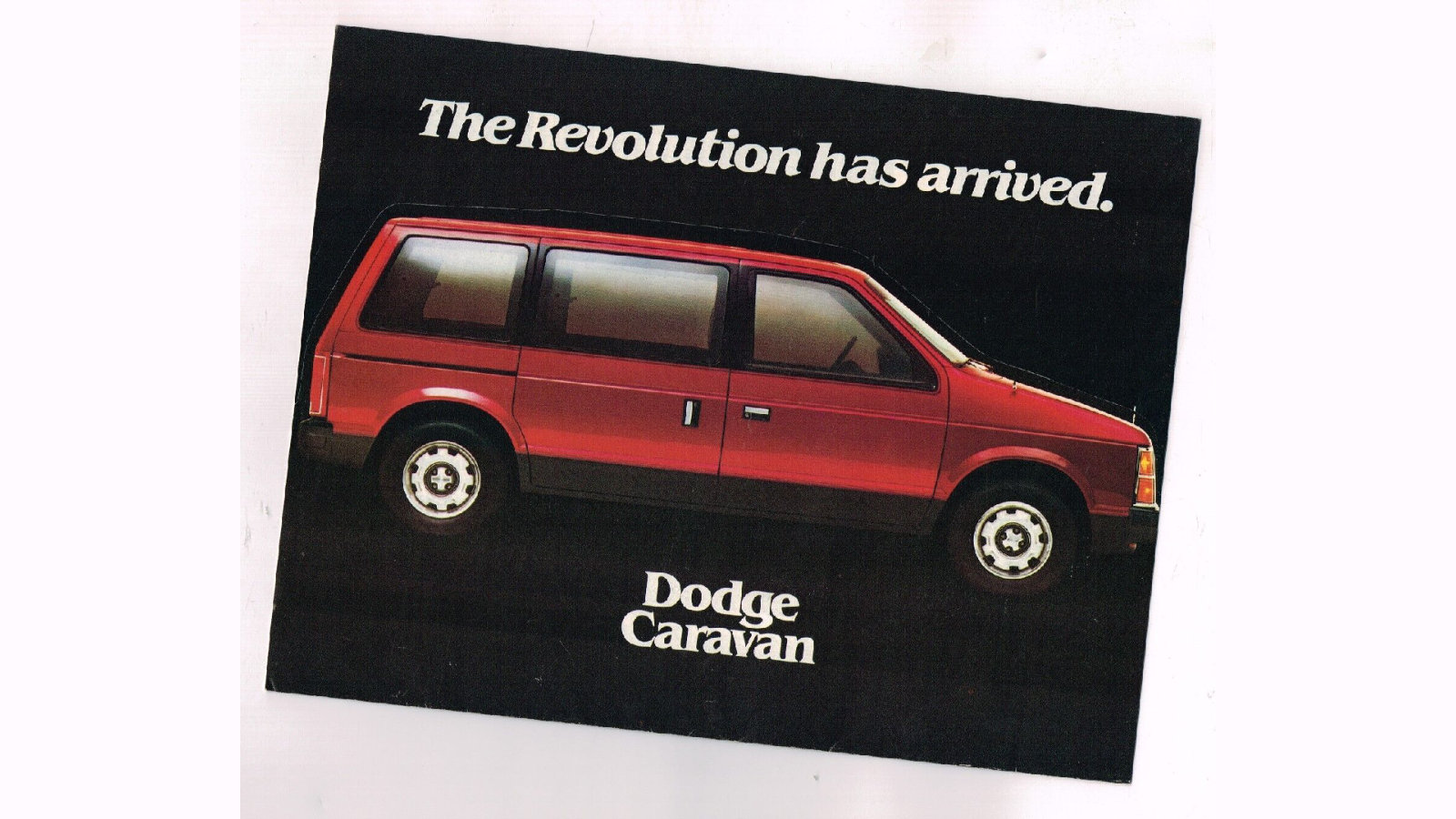
Iacocca always maintained that cars are a product market. The first thing he does is make a clean sweep: new models, the K-car, compact and modular cars. And then the great success of his life, alongside the Mustang: the minivan, which becomes a category. When you become a category the road is clear, because in the consumer's mind your brand is synonymous with that category. The minivan is something different from the estate car: later copied by everyone, it remains the original. Today it is called the Chrysler Pacifica in the United States, and in Europe we know it as the Voyager or Grand Voyager. The project had been rejected by Ford when Iacocca was there, and was carried out at Chrysler: a new segment, a car at the right time and in the right place, compact but with room for a family. Record sales, and Chrysler is a leader again. The Dodge Caravan campaign, The revolution has arrived, revolutionised the market and made Chrysler's fortune in the 1980s.
The commercials: we are not foolish, we are confident
Alongside the product, an innovative marketing strategy: Iacocca puts his own face to it, on television. He doesn't hide the truth, he admits Chrysler has been in crisis and is coming out of it, and he challenges consumers to try the cars by paying them: come and try our new cars, built to the highest quality, and we'll give you 50 dollars for your trouble, whichever car you end up buying. He was so sure of the product that he paid consumers to take a test drive. The sales pitches are legendary: We are not foolish, we are confident. And: if you can find a better car, buy it.
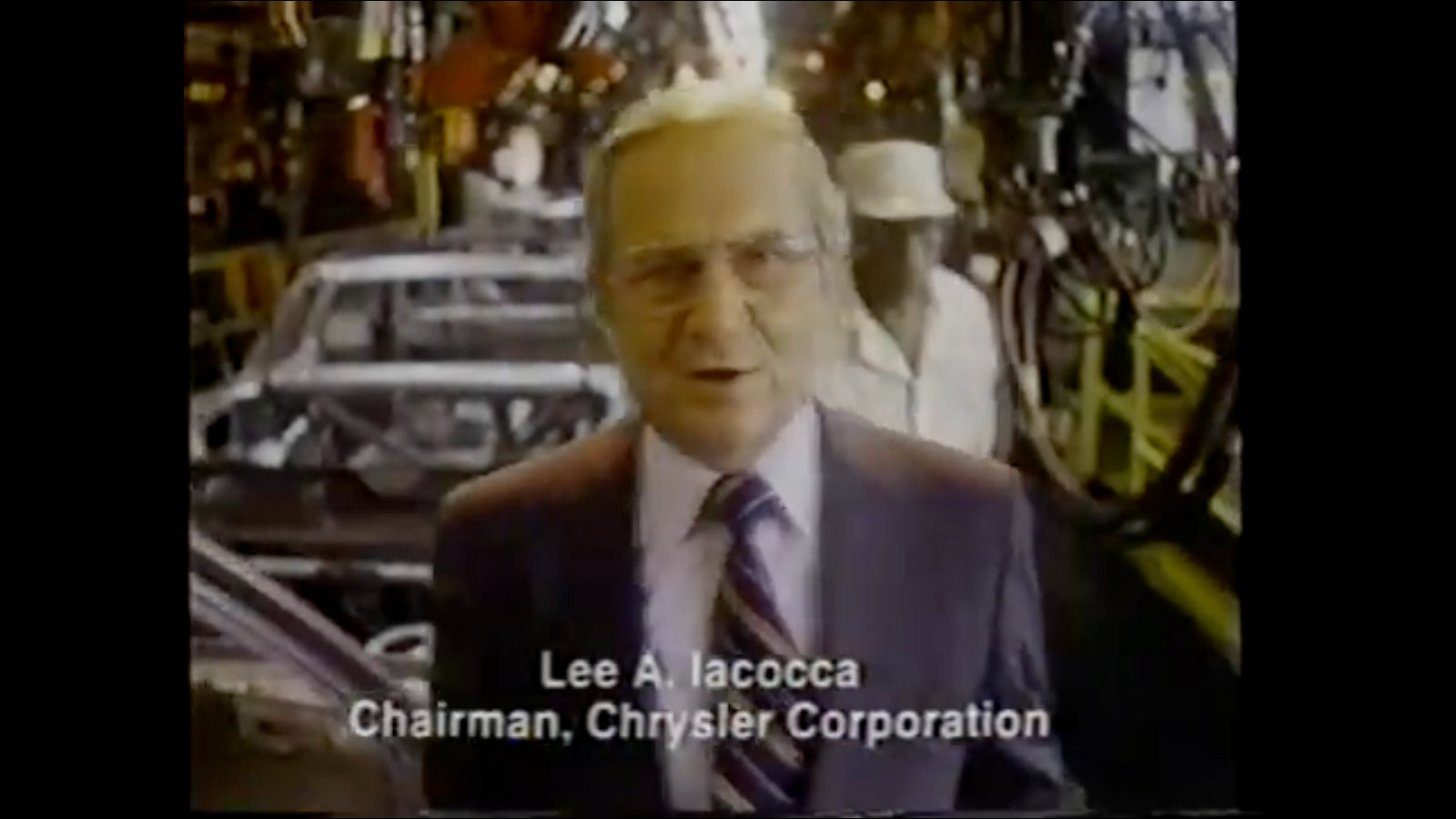
In the first commercial he walks through the new production line in Detroit. The copy is a masterpiece: many people believe American cars aren't up to Japanese or European ones; I'm taking you to the factory to show you the spirit of our workers, the level of our technology, the quality of our cars; nobody will be able to say they aren't up to standard; we'll give you 50 dollars for a test drive and to compare them with the competition, and we'll pay you whichever car you choose; we are not foolish, we are confident. That is how Chrysler brought Americans back into the dealerships, and from there sales took off again. The question to ask yourself is: what guarantee do you offer your customers? Offering a zero-risk guarantee, especially when launching a new product, is something we need to start thinking about.
In the second commercial he introduces the three-point warranty, with bullet points that then entered the language of TV copywriters: whatever you make, washing machines, toasters or skates, if you don't have enough confidence in the quality of your products you have no right to ask people to buy them; Chrysler makes cars as good as if not better than any American, European or Japanese car; to prove it, a protection plan of 5 years or 50,000 miles on engine and transmission, 5 years or 50,000 miles against rust, 3 years or 50,000 miles of free scheduled maintenance. And the legendary line: that's confidence, but let's face it, if we don't believe in our products, why should you? With one billion one hundred million to pay back to the government, he isn't afraid of customers: he trusts himself, guarantees the product, pays people to try it, and keeps his dignity. If you can find a better car, buy it.
The minivan appears in the third commercial, with another legendary line: we don't want to be the biggest, just the best. Chrysler always remained the smallest compared with Ford and GM; it competes on being the best. The copy stresses that they had been kicked by the market and had had to go cap in hand to Congress: when you get a kick in the head like we did, you learn fast to prioritise what matters, and in the car business the product comes first. Then he challenges the Germans, with two saloons that will take on BMW, Audi and even Mercedes for thousands of dollars less, and the Japanese, with a small car built in America with a quality that will beat them at their own game. I have only one ambition for Chrysler: to be the best, not the biggest.
Repayment 7 years early
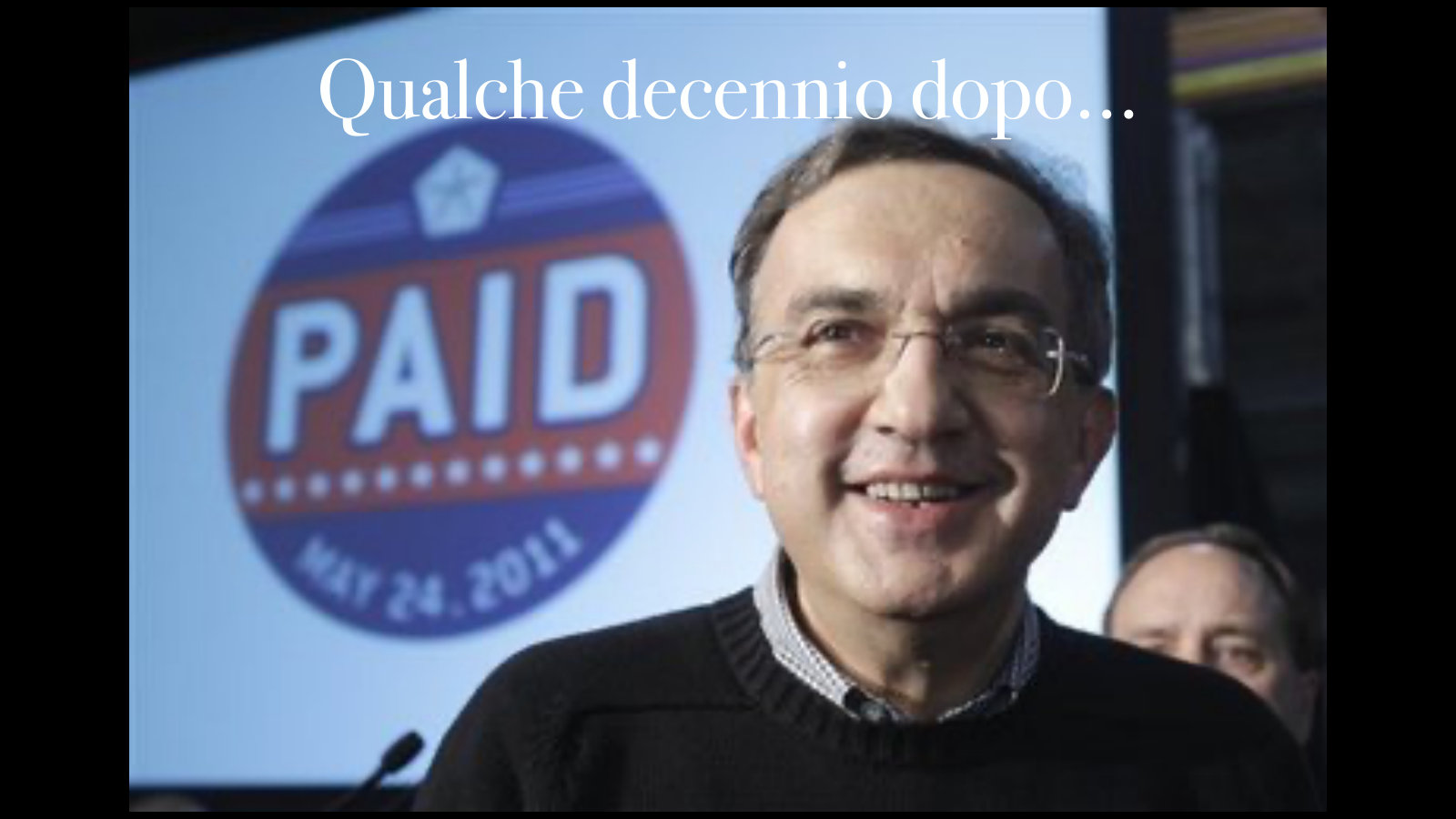
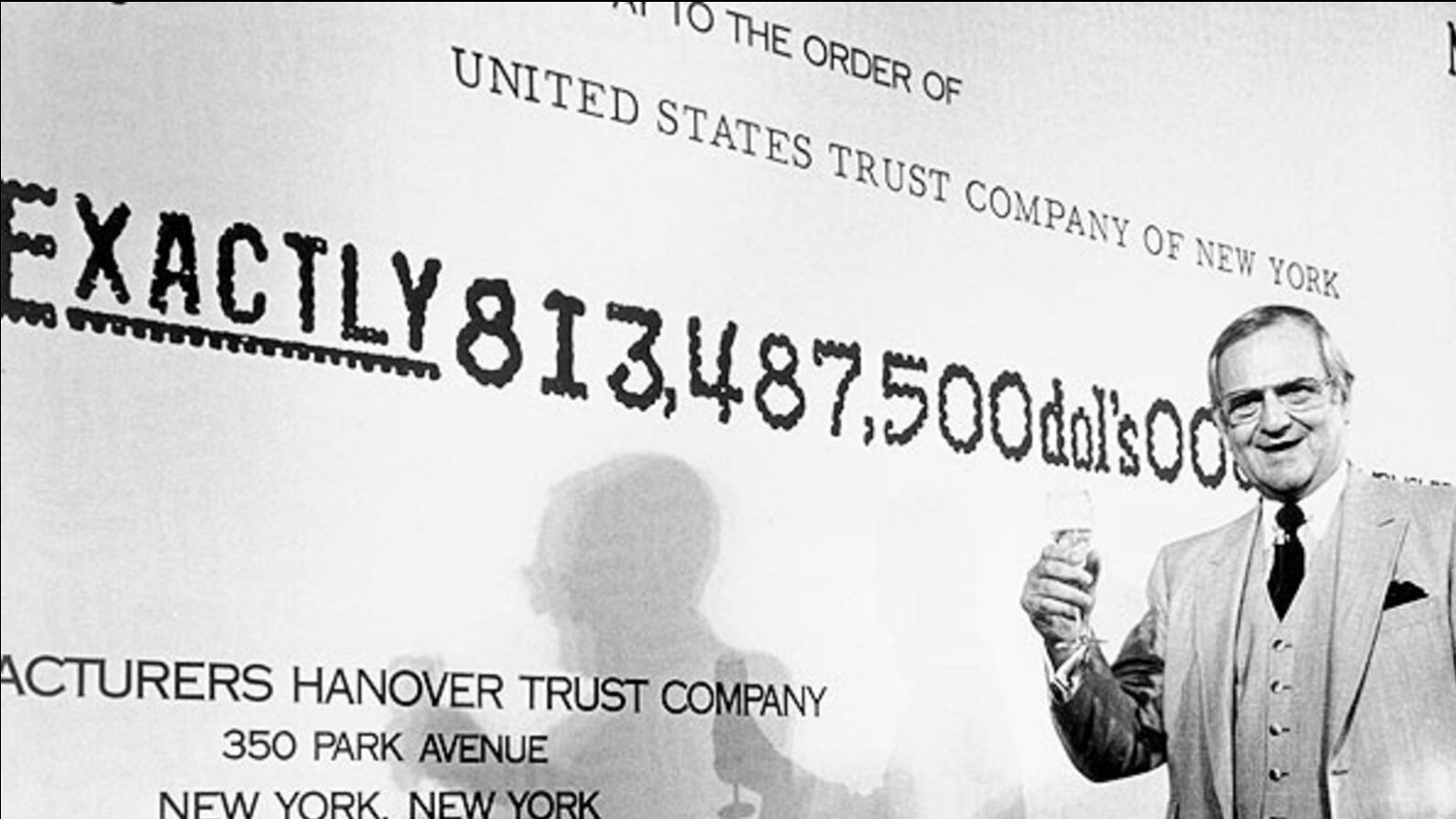
The results of new products, new technologies, a new category and aggressive marketing: in just 3 years Chrysler is back in profit, from 1.7 billion in losses in 1980 to 2.4 billion in profits in 1984. The government-guaranteed loan is repaid 7 years before it was due, and Iacocca returns to Washington as a winner with a giant cheque to hand to Congress. A few decades later Marchionne would do the same thing, with the same company and in the same way: with Obama instead of Carter, bailout, rescue and early repayment. The two met at an evening in Detroit where Iacocca was named among the best managers and marketing men in the car industry.
The 5 lessons for Italian SMEs
1. Cut before you grow
When a company is in crisis, the accounts have to be put back in order. If the company is in structural crisis, pushing revenue harder will probably increase the loss: you have to simplify, prune the dead branches and then accelerate. Iacocca let 33 executives go in his first 30 days to simplify: a company in crisis cannot afford bureaucracy, pointless roles or untouchables. The same goes for an SME: before relaunching, remove what doesn't work. Costs, people who don't add value, products and activities that don't pay, stock that has sat in the warehouse for years that you will never sell but don't have the courage to write down. Then, once the company is back in balance, decide where to invest.
2. Find finance or generate cash
Without cash even the best ideas come to a halt. When Iacocca arrived there was no cash to develop new models, suppliers weren't delivering, production was stop-start, and without deliveries you don't invoice. His first move was to go to Washington. For an SME: no plan works without cash. If you are in difficulty, talk to your lenders straight away; if the project is strong, look for a partner or free up internal resources. My advice is to start again from the foundations, in order: the multiplier, meaning how much you multiply the product or service to arrive at the retail price; from there, first-level margin, how much you make on each unit sold; after fixed costs, EBITDA. Our school has a specific course with linked Excel files to calculate the break-even point and how much extra you need to invoice to cover an investment. The higher you position yourself, the higher the multiplier and the higher the margins. Then put your financial flows in order: when you pay suppliers, when customers pay you. Try to collect earlier and pay later.
3. Communicate clearly
Customers can tell straight away whether you are for them or not. Iacocca spoke simply even though he was an engineer. Simplify the way you communicate, speak plainly to the end consumer and make them understand the benefits of buying from you. He used lines people remembered: if you can find a better car, buy it. A direct line, and it worked. For an SME: communicate simply, position yourself decisively, speak to the right customer, in your brand's tone of voice, bringing out the benefits.
4. Be credible, especially in hard times
When times are hard you have to put yourself on the line personally. Show the team that nobody has privileges, show customers you aren't fooling anyone, show the market you are there even when it's frightening. When Iacocca took a salary of one dollar nobody laughed: everyone understood he was serious, that he wasn't the hawkish executive who swoops on a company in crisis to strip it bare. Leadership is shown by example and by taking risks.
5. Don't wait to be rescued
The first step towards saving yourself is the entrepreneur's. Iacocca did his part: he cut costs, he cut his own salary, and the message was that he was asking for trust, as well as help. If you want the bank to listen to you, your people to follow you and the market to believe in you, act in good time. If you see signs of crisis, don't bury your head in the sand: tackle the problems with energy, otherwise the snowball becomes an avalanche. Help comes more easily to those who are already on the move.
Frequently asked questions
How did Lee Iacocca save Chrysler?
He fired 33 top managers in the first few months, cut his salary to one dollar a year, obtained $1.5 billion in loan guarantees from the US Congress, renewed the range with the K-car and created a new category, the minivan. In 3 years Chrysler went from $1.7 billion in losses to $2.4 billion in profits and repaid the loan 7 years early.
Why was Iacocca fired by Ford?
On 13 July 1978 Henry Ford II fired him without any formal explanation. According to his autobiography the reason was jealousy: the success of the Mustang and Lincoln was overshadowing the Ford family and the management.
What was in Iacocca's commercials?
Iacocca in person: $50 to anyone who test-drove a Chrysler, whatever car they then bought; a 5-year or 50,000-mile warranty; and lines that became famous, such as if you can find a better car, buy it, and we don't want to be the biggest, just the best.
What can an SME learn from Iacocca?
To cut before growing, to secure cash by talking to lenders in good time, to communicate simply, to lead by example in difficult moments and not to wait for someone to come and rescue it.
One live webinar a month.
One topic, questions from the business owners who join, answers without sales slides. It's free and in Italian, and it's the simplest way to get to know us.
See the next webinar →