



Bello ben fatto: the key to exporting Made in Italy
Beautiful, well-made products are worth 86 billion in exports and make Italy the world's third-largest exporter of high-end consumer goods. In this video I explain what makes a product “bello ben fatto”, quality, workmanship, design and production in Italy, why it has to be aimed at the end consumer, which markets to sell it in and the four steps an SME can take to build it.
We need your consent to play it: YouTube uses cookies that may profile what you watch.
Cookie preferences- Bello ben fatto is the high-quality Made in Italy product with a strong aesthetic signature that stands out in the world's 31 main markets.
- Two characteristics of the company: size doesn't matter, but it must make finished consumer goods aimed at the end consumer.
- Four characteristics of the product: quality of materials, fine workmanship, design, production in Italy.
- The figures: 86 billion in exports, 15.6% of Italian exports. Italy is the world's third-largest exporter of high-end finished consumer goods.
- Where to sell: nearby countries first, Germany, France, Switzerland, Benelux and the United Kingdom, then the United States.
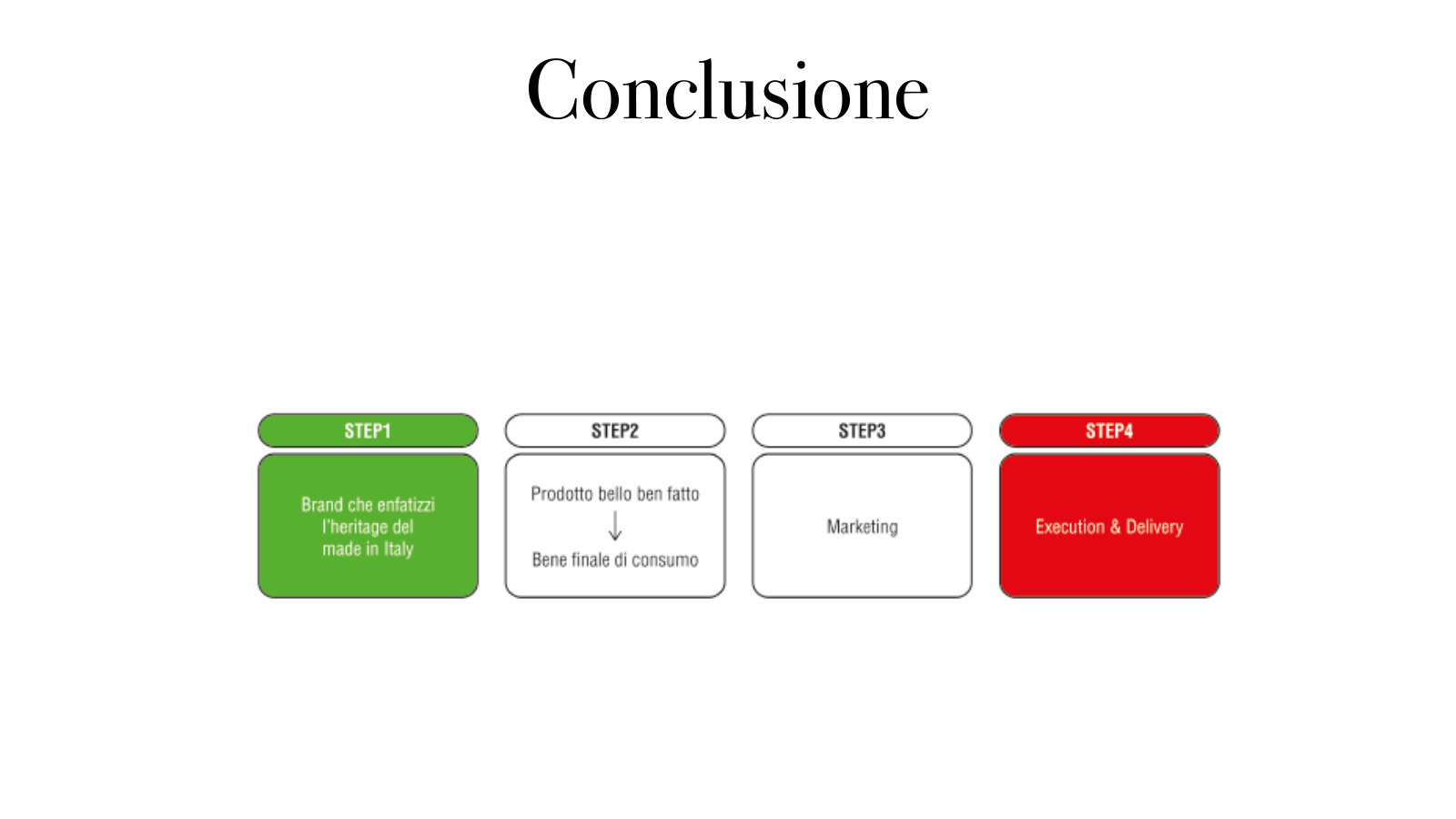
- Four steps: brand, product, content marketing, execution and delivery.
What bello ben fatto is
This video is about the “bello ben fatto” product, beautiful and well made: a quality product, a design product, recognisable as Italian. Creating one is one of the keys to exporting Made in Italy. The definition: bello ben fatto is the set of products from Italian companies able to stand out in the world's 31 main markets. The global middle class, the top spenders who are our ideal customers, has a soft spot for high-end Italian products, found in every sector of production but at their best in products linked to Italian taste and creativity.
Products in this category are high-quality Made in Italy products with a strong aesthetic signature, tied to the Italian culture of craftsmanship, attention to aesthetics and the technical and technological skill of our companies. Their founding values are usefulness, appeal, beauty and functionality.
The distinctive features
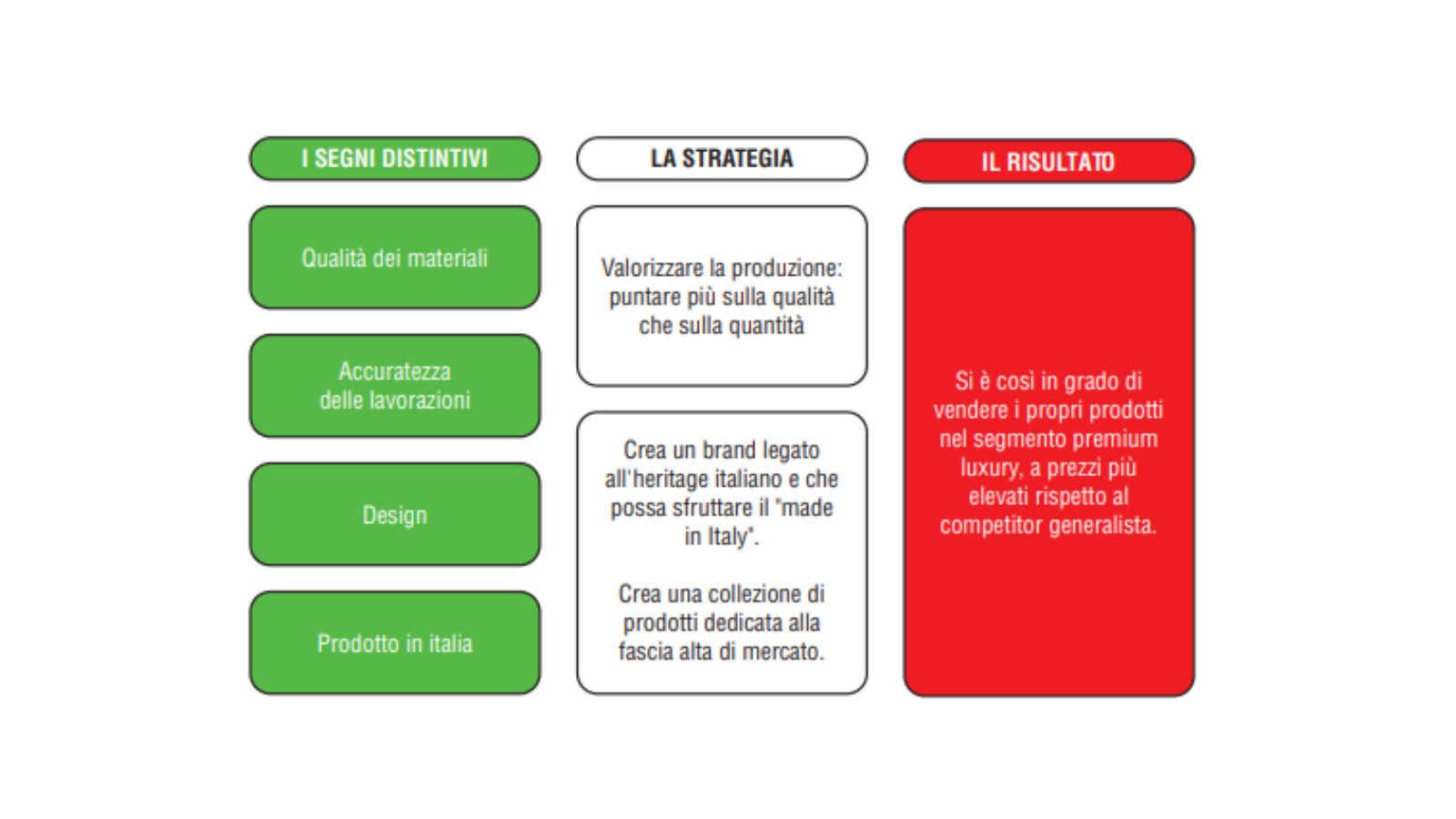
A bello ben fatto product is high quality, with very carefully chosen materials and workmanship, it is unmistakably a design product and it must absolutely be made in Italy to be sold as Made in Italy. Strategically, the company that wants to create one has to make the most of its production by focusing more and more on quality over quantity, create a brand tied to Italian heritage, to take advantage of the big Made in Italy umbrella, and organise its products into a collection dedicated to the high end: no longer a single product. The result is the ability to sell in the premium luxury segment at higher prices than the generalist competitor aiming at the mass market.
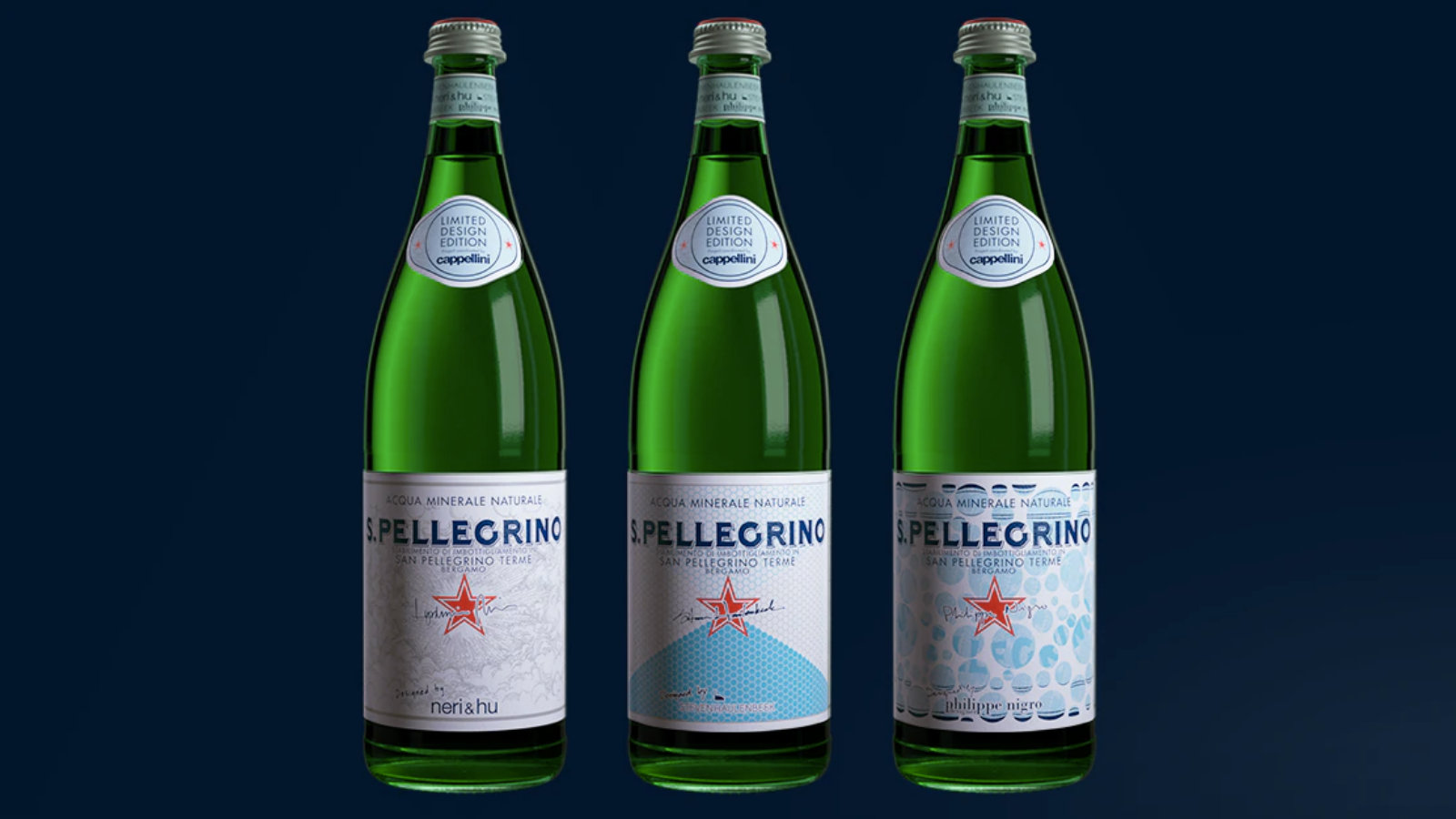
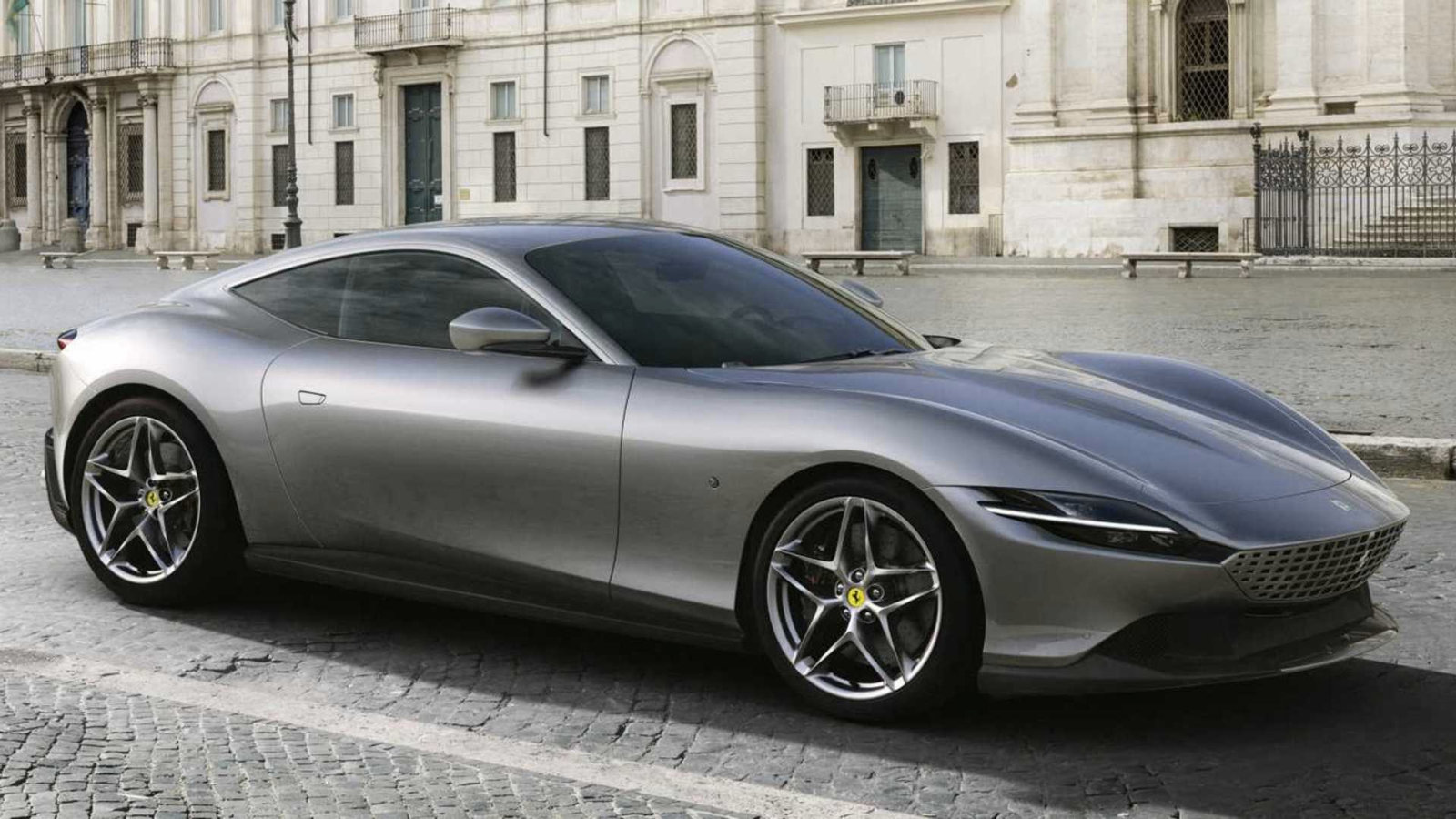
There are about ten sectors, but the four Fs of Italian production, furniture, food, fashion and Ferrari, meaning high-end automotive, lead the way. A few examples: San Pellegrino water, which every top restaurant in the United States, the Middle East and the Far East offers its customers; a double-island kitchen from our company, which has been a great success on international markets with very wealthy customers; Giorgio Armani's latest creations in fashion; the Ferrari Roma in automotive. They are the champions of bello ben fatto.
Exporting Made in Italy
The goal is to export. The domestic market matters, but an Italian SME with a bello ben fatto product can't rely on it alone: its ambition has to be selling abroad. Already today, upper-mid-range Italian products are exported by 17,000 companies and account for 20% of manufacturing exports. Through bello ben fatto you export the dolce vita: you bring back to life, in the perception of consumers around the world, the dream and the emotions tied to the beauty of the Italian way of life. In a purchase of this kind there is a rational part, justified by explaining the product and its technical features, but it's the emotional part that drives the sale.
The company's two characteristics
The first is that company size is not significant, and this is a big advantage: you don't need large companies to create a bello ben fatto product; in fact it's often small and medium-sized companies that have these niche products. A bello ben fatto company can be an artisan workshop, an SME or a large company.
The second is that it must make finished consumer goods, aimed at private buyers, the end consumer, regardless of distribution, direct or through dealers and distributors. This is key: if you don't create a product meant for the end consumer, you can't have a bello ben fatto product. This way the company, through its own marketing and its own brand, can draw on the values of Made in Italy with positioning work that emphasises its Italian roots. Just study the packaging of San Pellegrino water, or Acqua Panna from the same group: the caption, the lettering, the year of foundation, the geographical reference, the payoff. All the signals of an Italian bello ben fatto product are there, and they are among the ambassadors of Made in Italy.
The product's four characteristics
Quality of materials
The product must be of absolute quality: we can't afford to deliver a high-end Italian product that isn't. The consumer is willing to pay a premium price, drawn by the brand's intangible benefits and its positioning, but then the product delivered has to be flawless. Quality is probably not an argument you can use in positioning, because everyone talks about it; the entrepreneur's job is to really create it, so that when the product arrives at the customer's home they are satisfied and spread the word.
Fine workmanship and finishes
Alongside quality, high-level finishes. This element can be told in the company's storytelling and in product marketing to justify buying something at a high price compared with the mass market.
Design
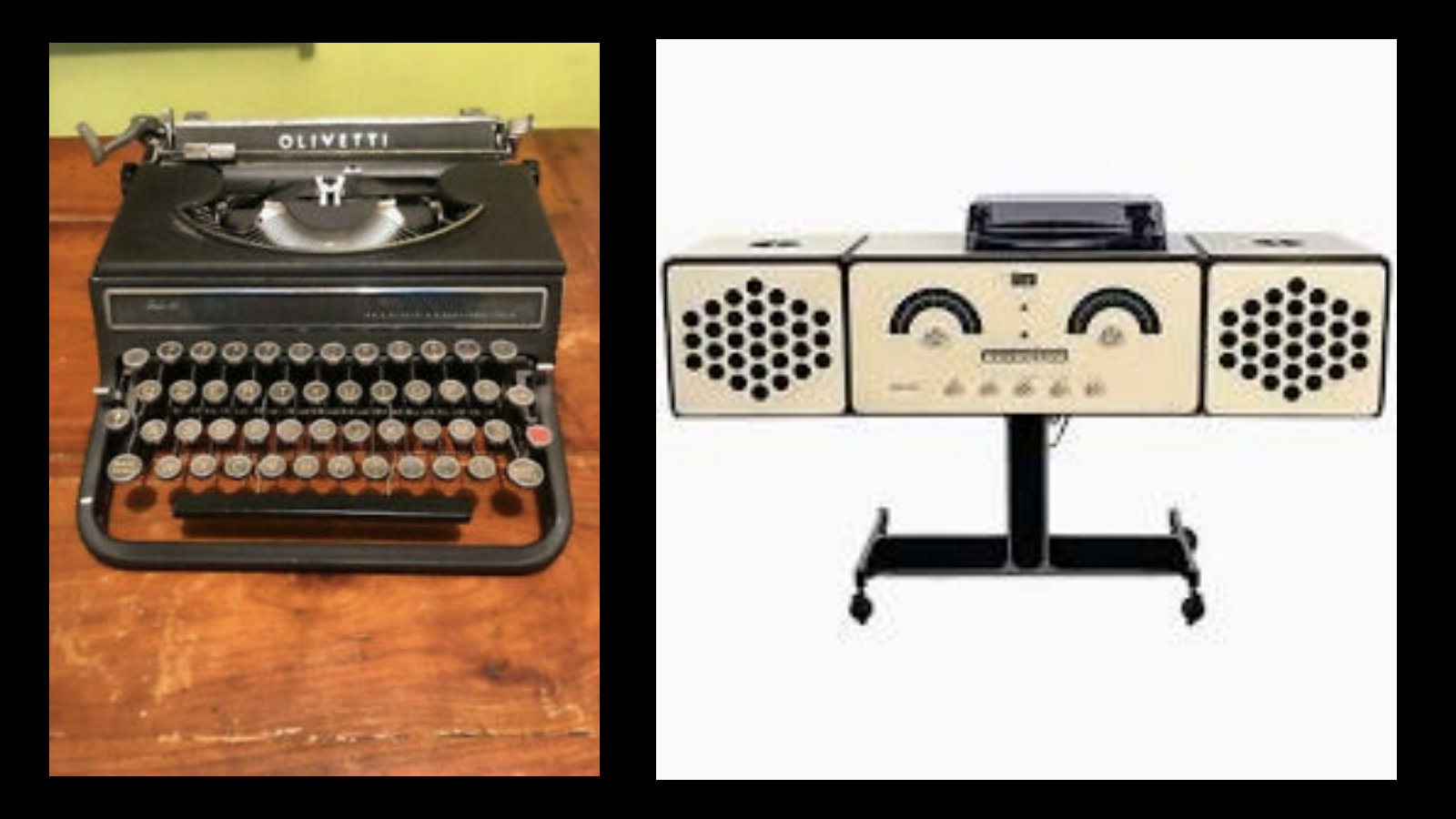
Perhaps the most important characteristic: every bello ben fatto product is a design product. Italian design means every form of industrial design invented and made in Italy, including interiors, urban planning, fashion and architecture. The roots of Italian industrial design lie in three objects: the Olivetti Studio 42 typewriter, designed by Figini and Pollini in 1935, the first design object mass-produced in Italy; the 1940 Phonola radio receiver by the Castiglioni brothers with Luigi Caccia Dominioni; and Marcello Nizzoli's Summa adding machine of 1940, his first project for Olivetti. Products of exceptional artistic value, with design of the very highest level for the time and still today.
Two of these three products are Olivetti, the most innovative company in the world until the 1960s and an ambassador of Made in Italy. In the 1950s Olivetti anticipated Steve Jobs by about sixty years by creating its own stores, which Apple took as a reference for its own. The finest was on Fifth Avenue in New York, where queues formed of people coming to pay homage to Italian design: a store designed with artworks on the walls, floors and materials of the highest level such as natural Italian marble, and the products displayed like jewellery, instead of the usual consumer electronics sold in department stores.
Made in Italy
The product has to be born in Italy. Running a business here isn't easy: high costs, a complex and punishing tax system, very rigid labour rules. But precisely to make up for this disadvantage you need to create a bello ben fatto product positioned at the high end, to earn a higher margin than a mass-market product and make profitable a company that would otherwise struggle to stay in the market. With the right brand positioning, a quality product and content marketing, meaning photos, videos and copy dedicated to high-end products, the product sells at high prices with an excellent contribution margin. We use the value of Made in Italy to create a product tied to a trend that evokes Italianness and sell it at high prices.
The bello ben fatto sectors
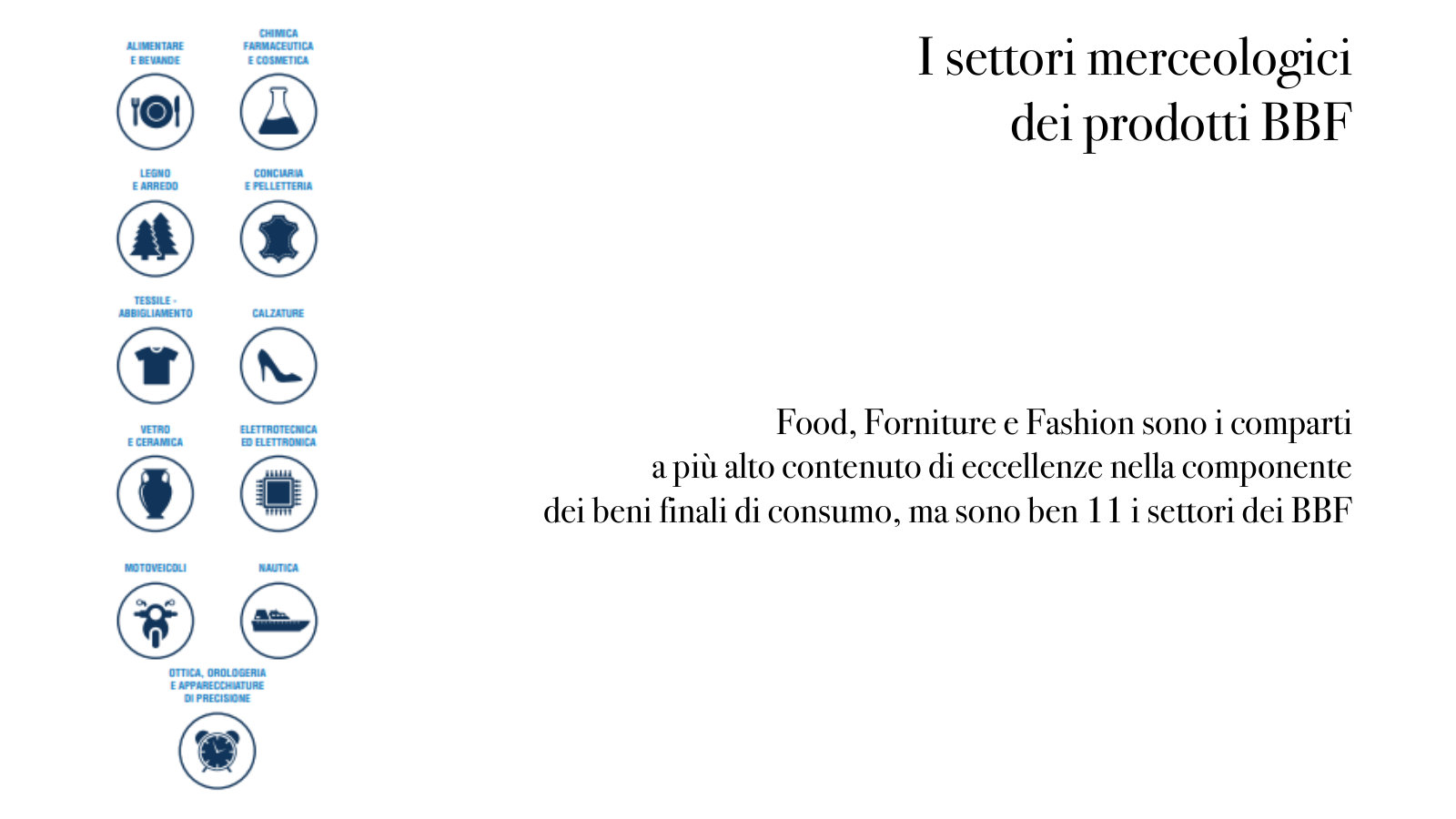
Furniture, food and fashion are the areas with the highest content of excellence among finished consumer goods, but there are 11 bello ben fatto sectors: food, beverages, pharmaceutical chemicals and cosmetics, wood and furniture, tanning and leather goods, textiles and clothing, footwear, glass and ceramics, electrical engineering and electronics, motor vehicles and boats, optics, watchmaking and precision instruments. If you have a company in one of these sectors, the goal is to create a bello ben fatto product.
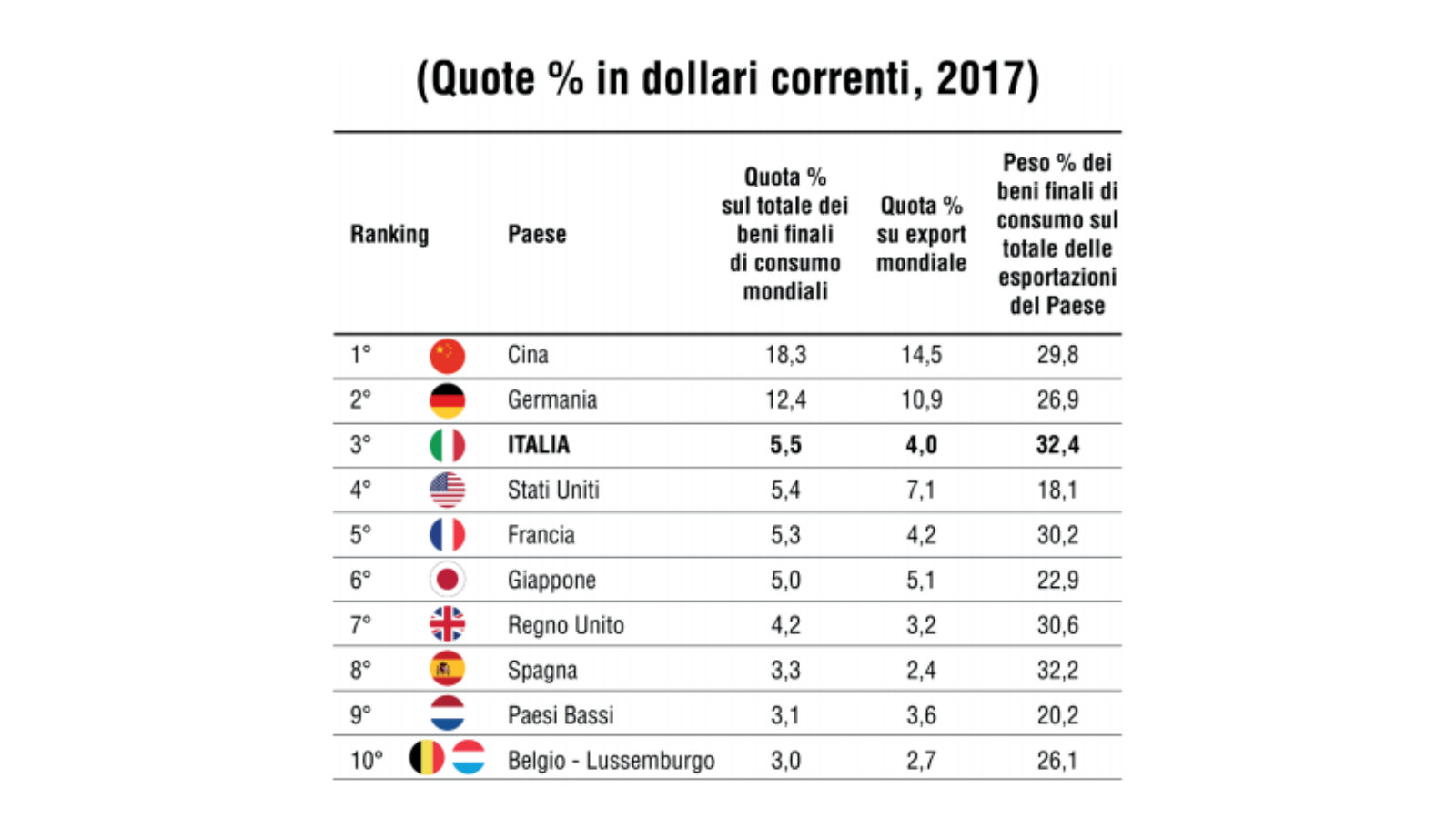
The figures: bello ben fatto is worth €86 billion and accounts for 15.6% of Italy's total exports. Italy is the world's seventh-largest exporter, but if we look only at high-end finished consumer goods it's third, behind China and Germany and ahead of the United States, France, Japan and the United Kingdom, with a 5.5% share of world exports. And the weight of finished consumer goods in the country's total exports, 32.4%, is the highest of all the countries mentioned: in this ranking Italy is number one. An extraordinary result that points the way for Italian SMEs.
Target markets
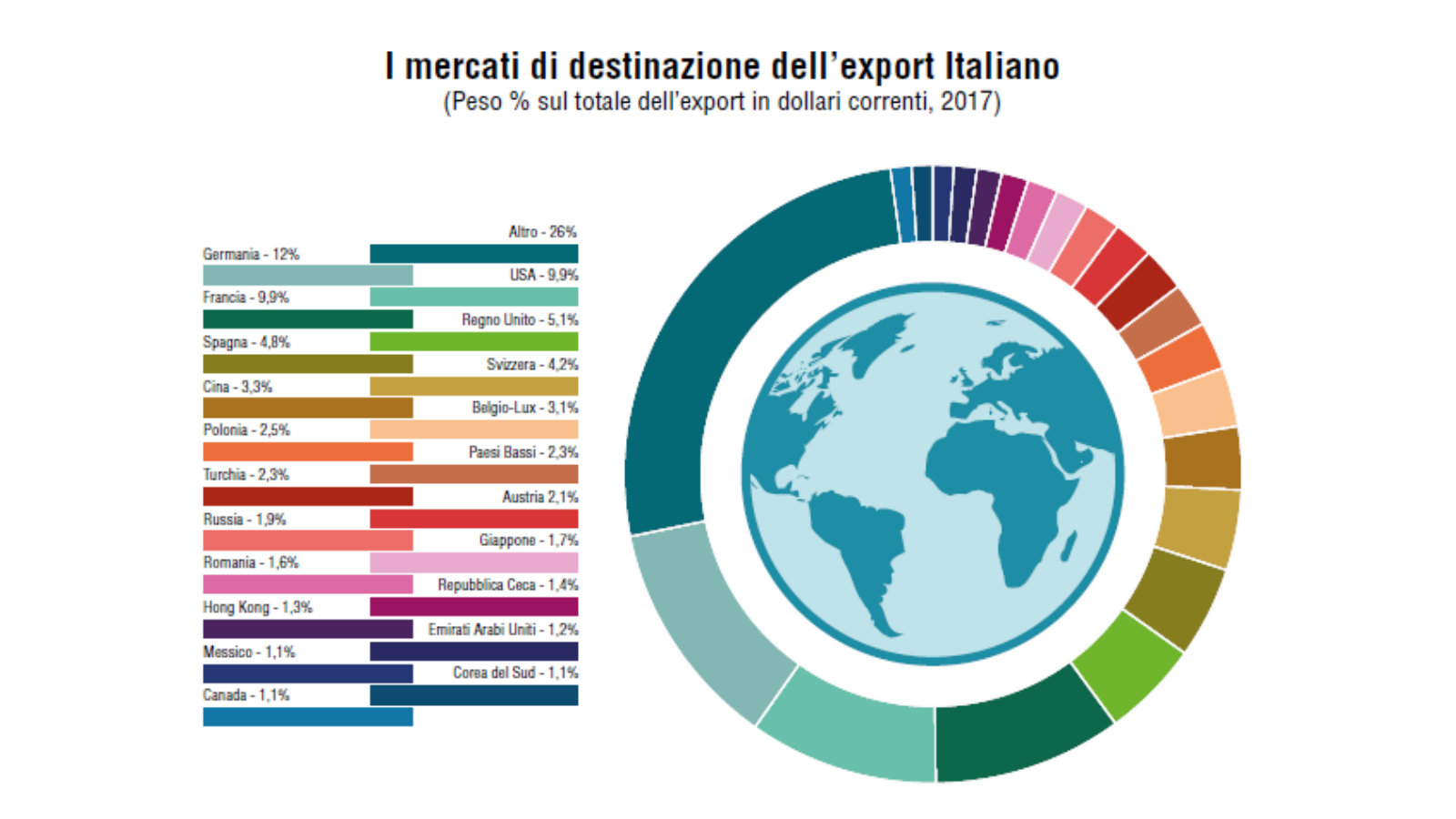
There are essentially two main markets: the European Union and the United States. Half of Italy's exports of goods, 51%, go to EU countries. Germany, with 11.9%, is the leading market for Italian companies, followed by France and the United States at 9.9%. Then the United Kingdom, Spain, Switzerland, China, Belgium and Luxembourg, Poland, the Netherlands, Turkey. Russia accounts for just 1.9%, sharply down because of the economic crisis, the devaluation of the rouble and an economy that doesn't process raw materials but sells them, like gas.
What's striking is the relationship with the size of the countries. Switzerland, with about 8 million inhabitants, and Belgium and Luxembourg together, with roughly the same population, import more Italian bello ben fatto products than China, which has 1.35 billion inhabitants. The data need putting in context: it's a clear indicator of where to go and sell. I'll be far more successful exporting to Belgium, Luxembourg or Switzerland than to China, because of the consumer's culture: an educated consumer, who travels, reads, prefers beautiful, well-made things and is willing to pay a premium price. These consumers are found in Germany, the number one market, in France, in the United States, the leading market outside the EU, and then in the United Kingdom, Switzerland, Benelux, Spain. There are also signs from Mexico, the United Arab Emirates, Canada, Japan and Hong Kong, but they need putting in context in terms of population and ease of access: it's easier to sell in Europe than in the United States, and easier in the United States than in China, which for geopolitical reasons has an internet entirely its own, without Google and Facebook, with its own social channels you have to work your way into.
For a company starting to export, the target markets must absolutely be nearby countries: Germany, France, Switzerland, Belgium, Luxembourg, the United Kingdom. Step 2 is the United States, the world's number one market for luxury products: harder, but you have to be there.
Competing countries
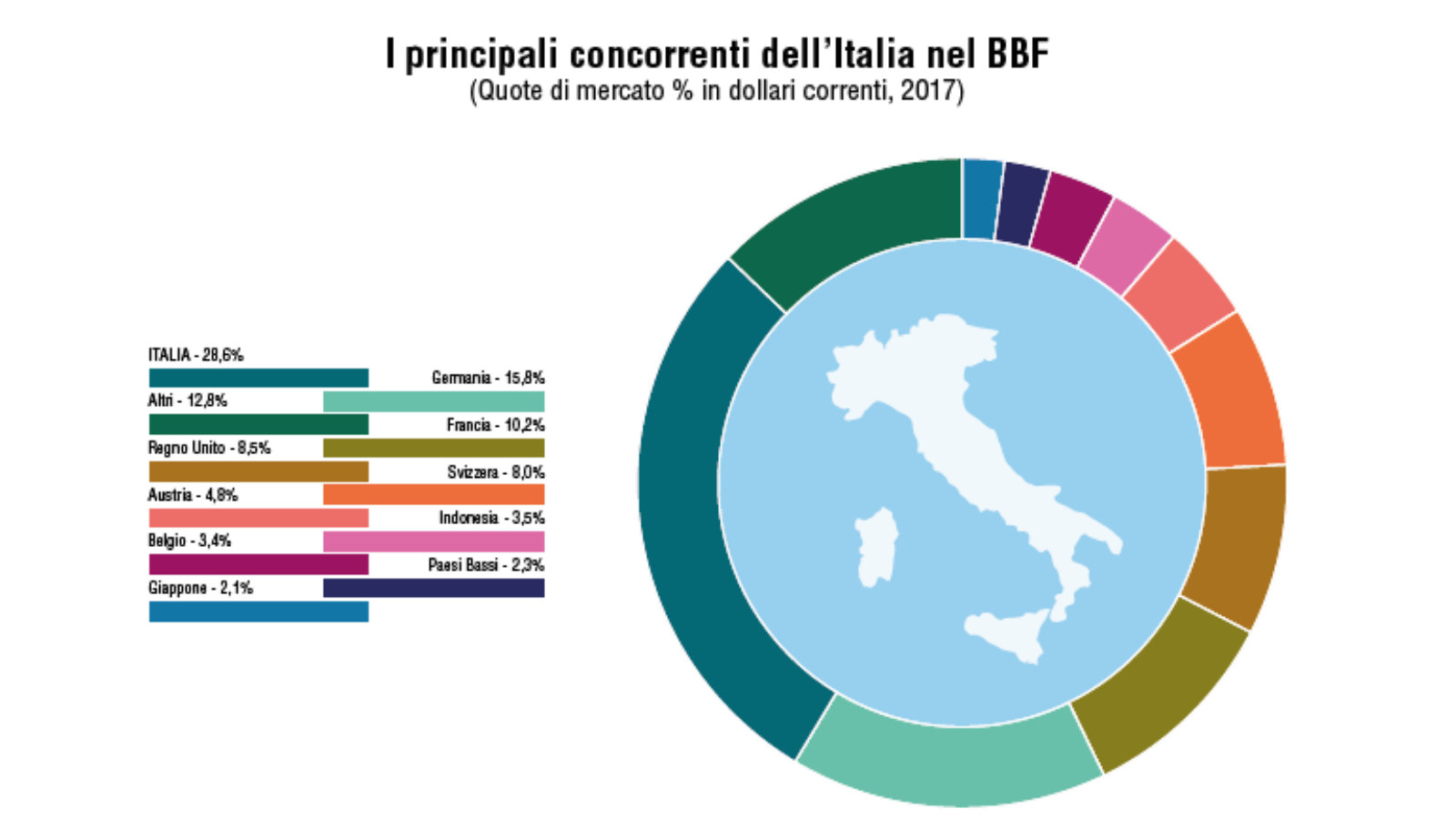
The first competing country is Germany: not only the leading export market but also the first to compete with us, because in kitchens, for example, the main high-end companies are German, and the same goes for automotive. Then France, a country with production and labour costs very similar to ours, home to the world's leading luxury groups, such as LVMH, listed in Paris, which compete with Italian companies even when they own them: in classic luxury, clothing, accessories, leather goods. Then the United States, Switzerland for watches, Austria, Belgium, the Netherlands and Japan. But the two main competitors are Germany and France.
The four steps to create a bello ben fatto product
Every Italian SME that wants to take on foreign markets has to start by creating a bello ben fatto product, of high quality, positioned with a brand that evokes Italian heritage. The typical customer is a high spender but demanding: we have to give them a quality design product, with marketing that speaks their language.
- A brand. People buy the brand first and the product second: it must emphasise the heritage of Made in Italy.
- A bello ben fatto product. A finished consumer good, aimed at the end consumer.
- A content marketing machine. Photos, videos and articles that describe the product, express its quality and the dream it wants to convey.
- Execution and delivery. No less important: producing the product and delivering it to the end customer.
Frequently asked questions
What does bello ben fatto mean?
It's the name given to high-quality Made in Italy products with a strong aesthetic signature, made by companies able to stand out in the world's 31 main markets: products tied to the culture of craftsmanship, attention to aesthetics and the technical skill of Italian companies.
What characteristics must a bello ben fatto product have?
Four: quality of materials, fine workmanship and finishes, design, and production in Italy. The company, of whatever size, must make finished consumer goods aimed at the end consumer.
How much are bello ben fatto exports worth?
€86 billion, 15.6% of Italian exports. In high-end finished consumer goods Italy is the world's third-largest exporter, behind China and Germany, and first for the weight of these goods in its total exports.
Which markets should you start from to export?
Nearby countries: Germany, the leading market, France, Switzerland, Belgium, Luxembourg and the United Kingdom. Then the United States, the world's largest luxury market. Switzerland alone imports more high-end Italian products than China.
One live webinar a month.
One topic, questions from the business owners who join, answers without sales slides. It's free and in Italian, and it's the simplest way to get to know us.
See the next webinar →