



The basics of exporting Made in Italy: why to do it and the 7-step path
SMEs oriented towards international markets grow 17% more, have a return on equity of 14% against 9.6% for those who sell only in Italy, and get paid before they ship. In this video I explain why exporting is vital for a small Italian company and the 7-step path to doing it: from a brand name that can be pronounced in English to multilingual customer service, from the nearby foreign markets to the United States, down to which Incoterms to choose.
We need your consent to play it: YouTube uses cookies that may profile what you watch.
Cookie preferences- Why export: SMEs that export grow 17% more, have a lower unit labour cost, an ROE of around 14% and get paid before they ship.
- 1. Brand and products at the high end. A pronounceable brand name, a payoff that evokes Made in Italy, a visual that speaks of Italianness.
- 2. Unassailable products and marketing materials translated into the languages of the markets.
- 3. Multilingual customer service. 4. Market analysis: first the nearby foreign markets, then the United States.
- 5. Plan your entry: direct sales to the consumer when you can. 6. Make the most of inbound enquiries. 7. Advance payments and Incoterms.
Why export
A topic people care about a lot: how to sell your products and services abroad, how to export Made in Italy. This video separates two moments, the why and the how, and wraps up the basics of knowing how to export.
Exporting is vital for Italian SMEs because, after the Covid crisis, the Italian market is in any case small: you have to learn to go abroad to open new markets. Today the market is globalised and flat. Seven or ten years ago it was harder: today the internet and social networks have cut out the middlemen and SMEs have tools to reach the end consumer directly, with targeting capabilities never seen before in the history of advertising. The lockdowns also made e-commerce explode, which lets small companies sell all over the world, depending on the sector.
The context, in April 2021: 2020 was decimated by the pandemic, with the United States at minus 3.5% and the eurozone, the hardest hit, at minus 6.6%. Among the G7 countries Italy, together with Spain, paid the highest price: against an average fall of 4.7%, Italy lost 8.9%, with growth forecast at 4.2% in 2021 and 3.6% the year after. In two years you don't recover what you have lost. Finding new markets to sell to foreign clients is essential.
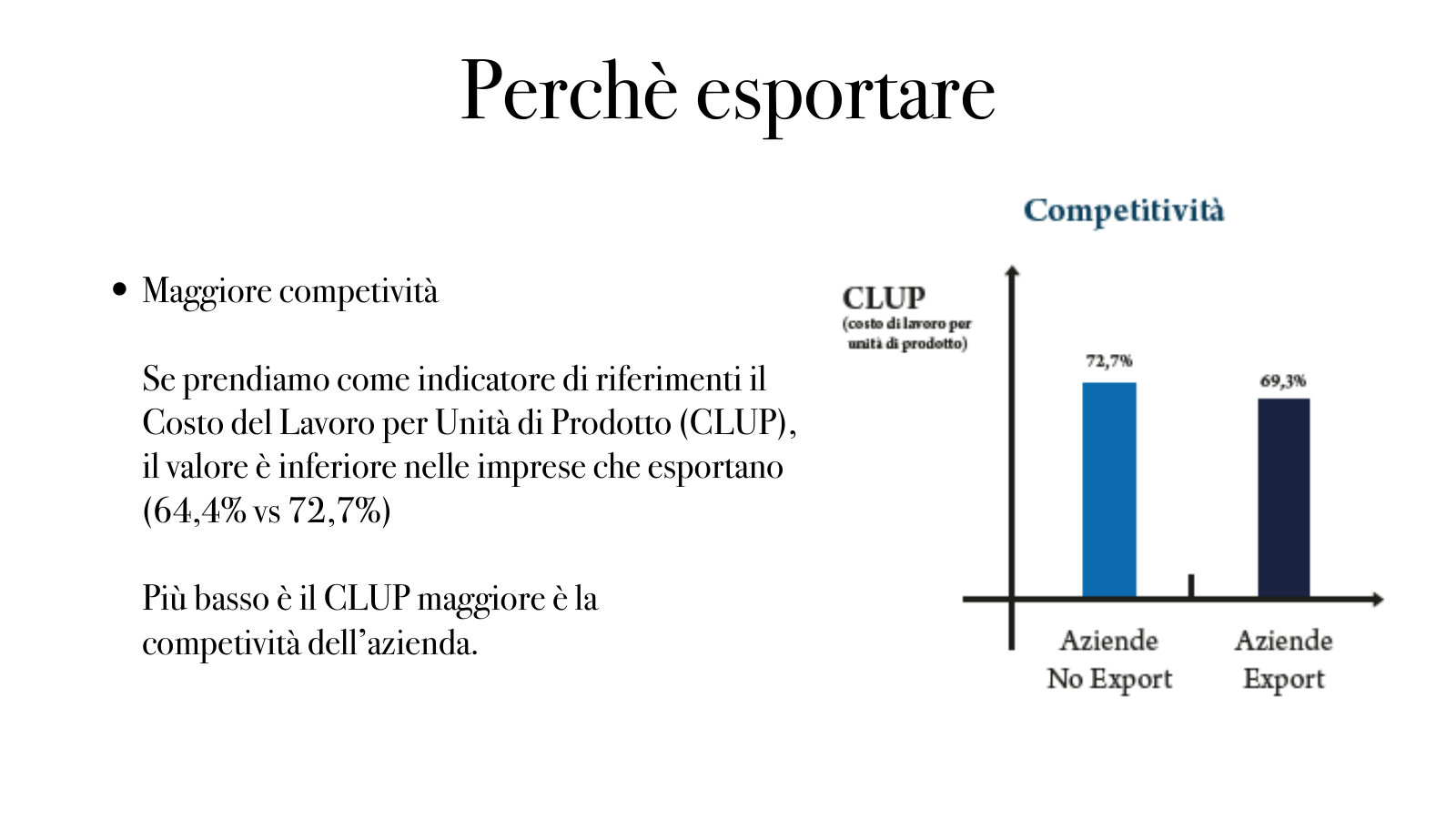
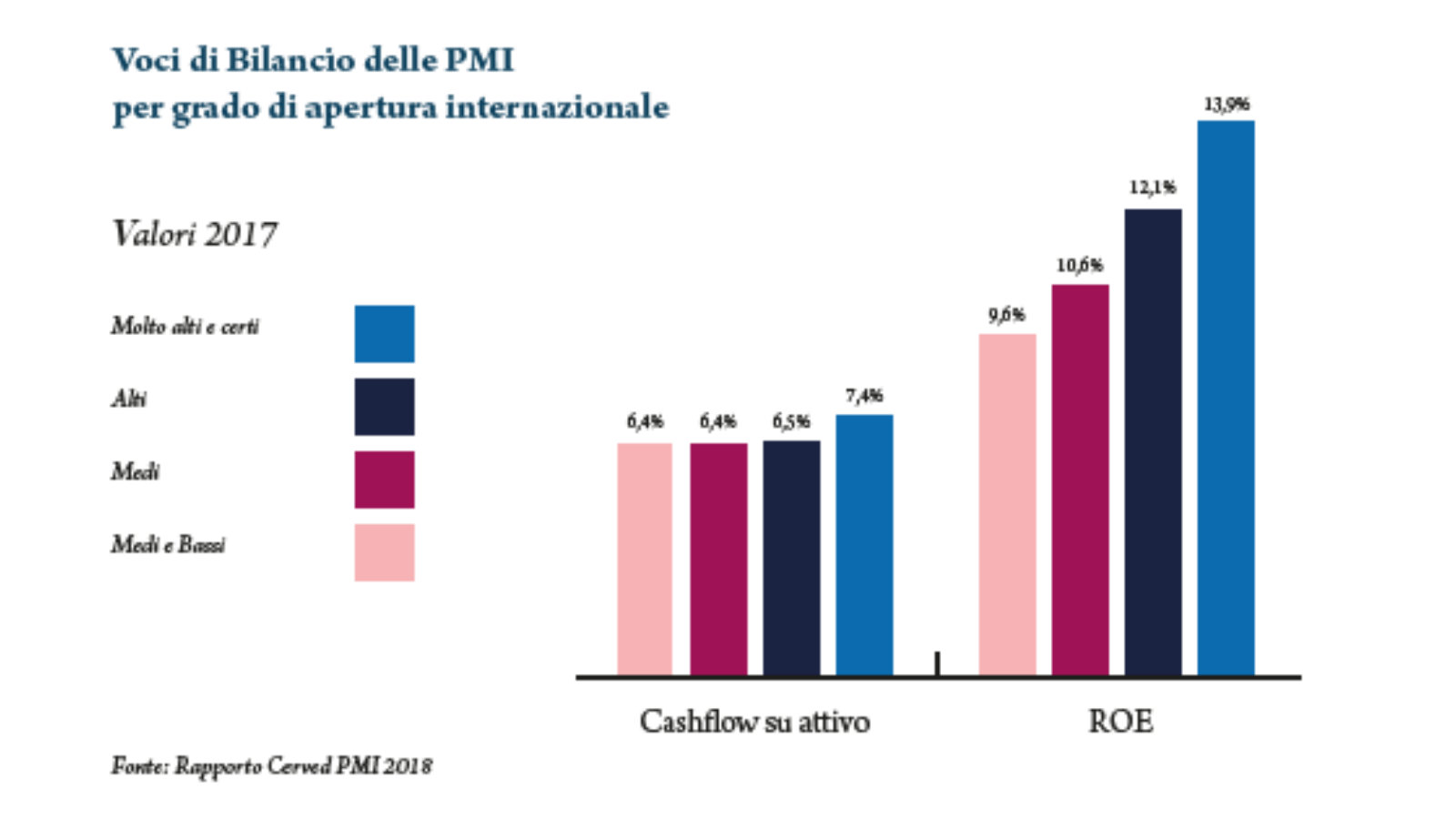
According to Cerved data, SMEs oriented towards international markets grow on average 17% more than those oriented only towards the domestic market. A company that exports is more competitive: unit labour cost is lower in exporting companies, 64% against 72%. It is more profitable: ROE, return on equity, is around 14% against 9.6% for companies that operate only in Italy, a difference of more than 300 basis points, thanks to the greater added value on product sales. Added value is in my view the main indicator, and foreign consumers pay more for the same Made in Italy product than an Italian consumer. And it has stronger cash flows: abroad you ship only after collecting at least 90% of the payment, or 100% if you sell to the end consumer, so you get paid before you ship and you pay suppliers at 30 or 60 days.
Diversifying country risk
An export-oriented company has other benefits. It diversifies country risk: if I sell only in Italy and a localised crisis breaks out in Italy, like the one in 2011, my hands are tied; if I sell in France, Switzerland, Germany, Benelux and the United States I have several outlets for my products. And it increases the prestige and value of the brand: at valuation, companies, even small ones, with a brand well positioned at the high end and an international outlook are worth much more than competitors stuck in the domestic market.
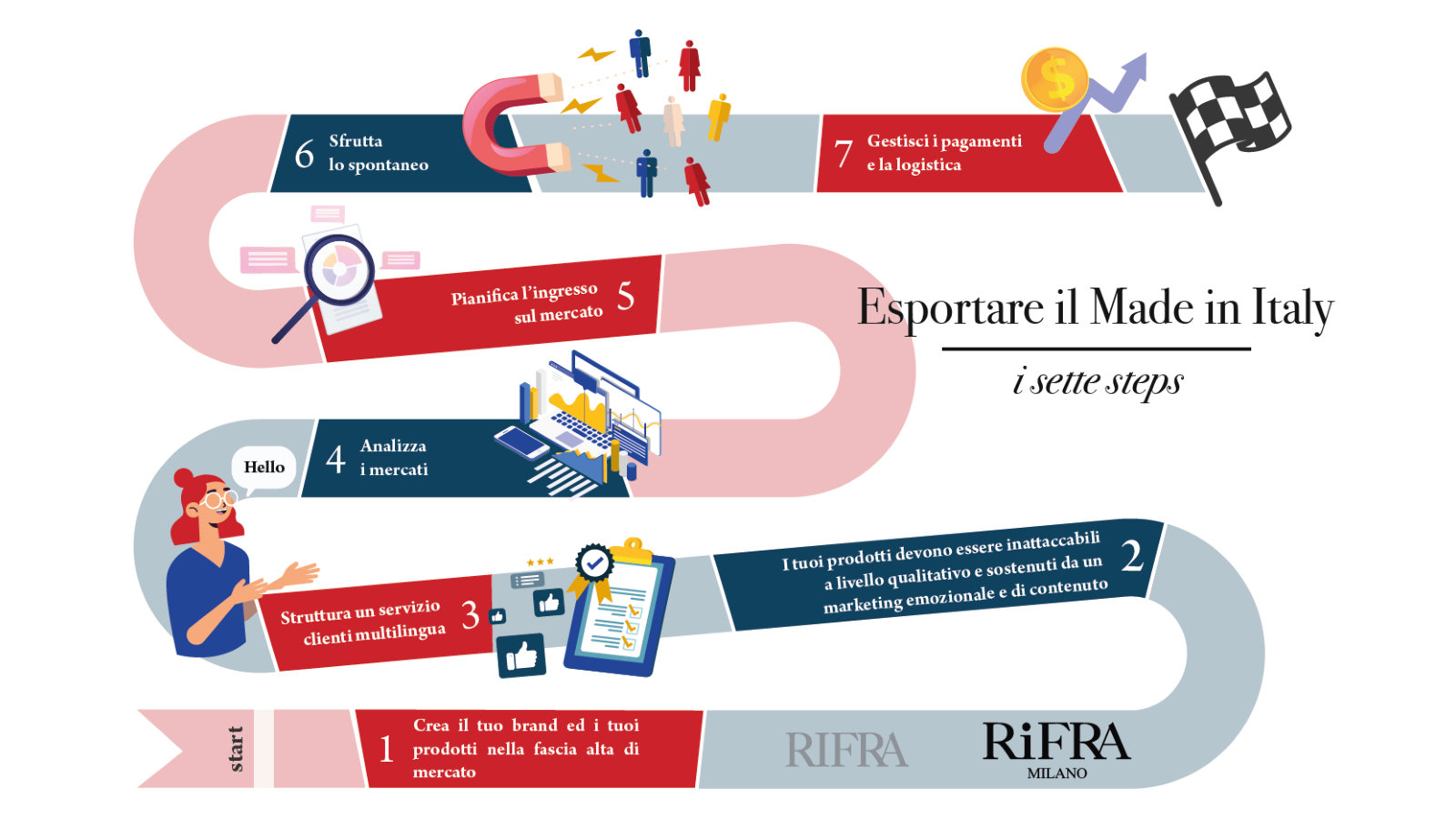
How to export: a 7-step path
- Create the brand and the products at the high end of the market.
- Products that are unassailable on quality, backed by emotional and content marketing.
- Set up multilingual customer service.
- Market analysis.
- Planning market entry.
- Making the most of the inbound enquiries that come from the brand's reputation.
- Managing payments and logistics.
1. The brand and the products at the high end
You need to sell a beautiful, well-made, high-end product at a premium price, which is the subject of another video. Consumers buy the brand first and the product second, and the questions to ask before selling abroad concern the three elements that make up the brand image: the brand name, the payoff and the visual.
The brand name
Is your brand name easy for native English speakers to pronounce, English being the main language of business? The restyling of the RiFRA logo, created by Al Ries, the inventor of brand positioning, had us drop the capital letters precisely to make it easier to pronounce in the United States, one of our main markets. Phonetics matter, especially for an Italian brand going abroad.
The payoff
The payoff is the main element for positioning the brand in foreign markets. Ours, Kitchen & Bath, Direct from Milano, is top level. An export-oriented Italian company can use the big umbrella of Made in Italy or be more specific, using universally known cities and regions if it is based there: Milano, Roma, Venezia and Napoli are brands abroad, and even a region like Sicily is a brand you can use. Prada Milano, since 1913, with the founding date. Bulgari Roma, with a collection tied to a sense of imperial luxury that takes its inspiration from the city, just as Prada's is very Milanese, with sober colours and clean design.
The visual
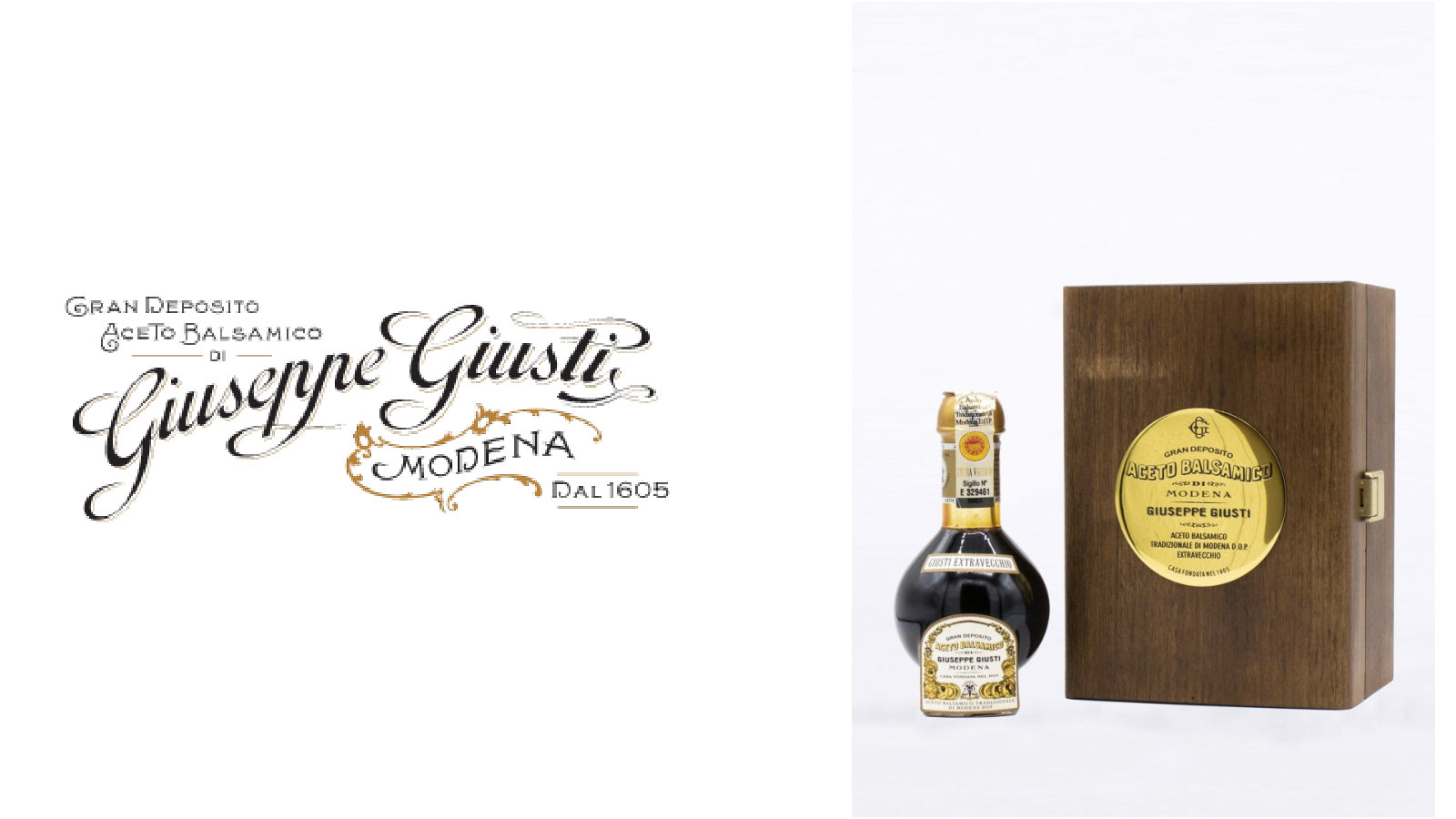
The visual has to evoke Italianness. The classic examples are in food and beverage: San Pellegrino, the most famous Italian water in the world, or the extra-aged PDO balsamic vinegar of Modena from Giusti, a company founded in 1605, Italian for 17 generations, which sells a high-end product at €120, seven or eight times more than supermarket vinegar, through retailers and its own e-commerce. Top-level packaging that evokes Italianness: classic graphics, a reference to the city of Modena, the founding date, the gift box. A product born to be exported at high prices.
2. Unassailable products and translated materials
Clients buy the brand first, for status and prestige, but that doesn't mean the product doesn't count: then they judge the product, both in one-off purchases, like a kitchen or a luxury car, and in repeat ones, like a magazine. The role of marketing for a high-end product is to push the brand as hard as possible, because it has to be famous even among those who cannot afford it: whoever buys it feels gratified that others cannot, triggers a sense of envy in their inner circle of family, friends and colleagues and is identified with a certain social standing. That is why luxury brands, SMEs' included, also have to be known to those who, paradoxically, are outside the target.
One of the first essential steps is to translate all marketing materials, starting with the website and blog, into English and the other languages essential to your business. You cannot sell abroad without sales material translated into the languages of the markets you want to enter.
3. Multilingual customer service
Customer service plays a fundamental role today, especially in companies with an international outlook. Do you have staff who speak your clients' main languages? We have people who speak English, German, French and Russian, and we can sell all over the world. A website and blog translated into five languages, client and prospect lists split by language, in-house staff who speak the clients' languages: that is how you start building a structure that can think about selling abroad.
4. Market analysis
This is the most important part. Which markets suit your company best, where are your products in demand? A first step is to consult the website of ICE, the Italian Trade Agency, to gather data on market size, the country's GDP, whether it is growing or declining, its demographics. If you are starting from zero your main markets will be those of continental Europe, which accounts for 51% of Italian exports: the French-speaking countries, France, Belgium, Luxembourg and French-speaking Switzerland, and the German-speaking ones, Germany, Austria and German-speaking Switzerland, without forgetting Canton Ticino, which doesn't have the language disadvantage.
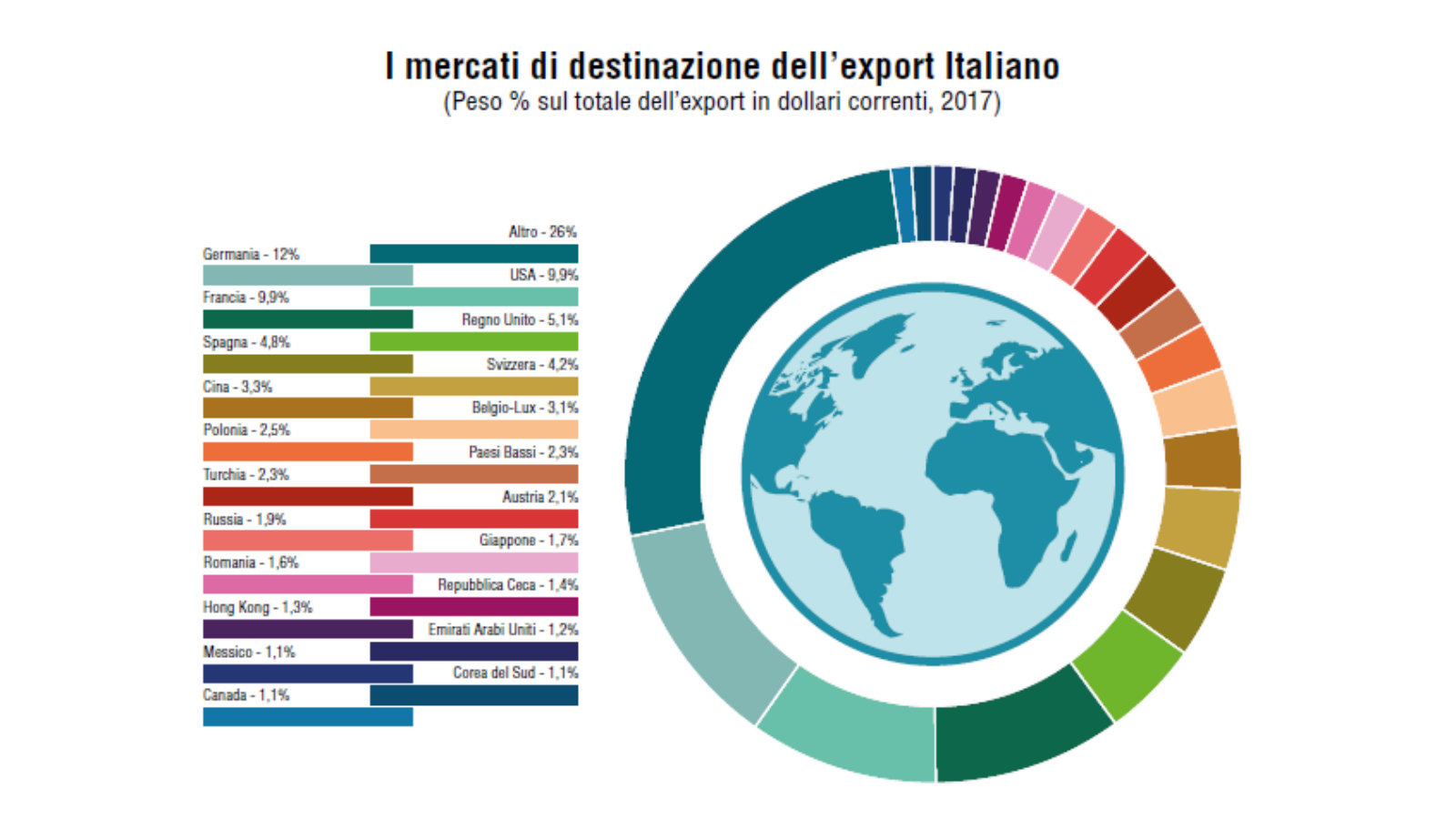
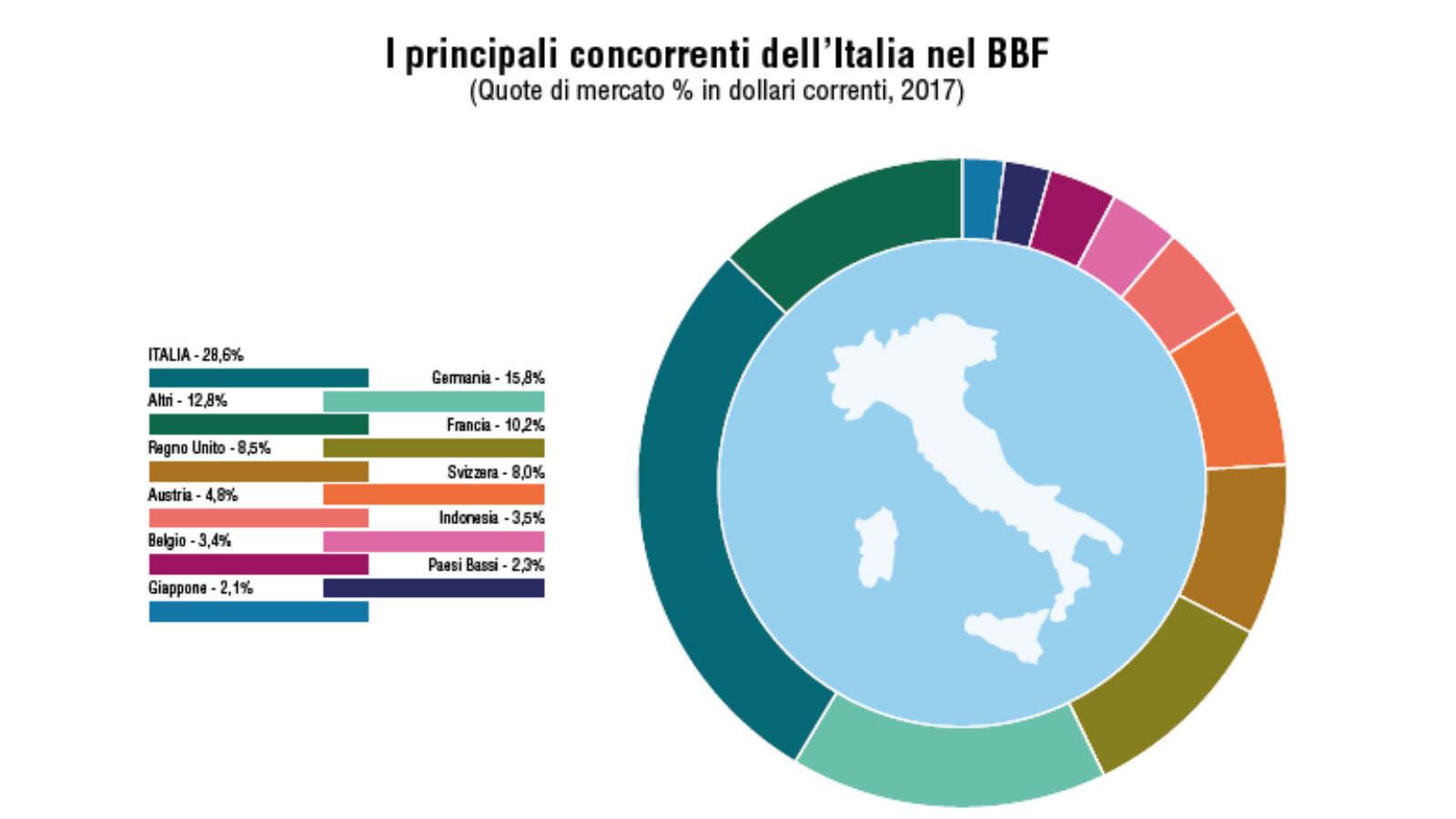
The data says that in 2017 Italy was the world's third-largest exporter of high-end finished consumer goods, ahead of the United States, France, Japan, the United Kingdom, Spain, the Netherlands and Belgium. An exceptional result, which tells SMEs to go abroad with a high-end product. The top three markets are Germany, with 12%, and the United States and France, with 10% each; then the United Kingdom, Spain, Switzerland, China, Belgium and Luxembourg, Poland, the Netherlands, Turkey. And there is an incredible figure: Switzerland, with 8 million inhabitants, and Belgium and Luxembourg, with 7-8 million, import more high-end Italian products than China, which has 1.35 billion people. The first countries to think about are what geopolitics calls the near abroad: Switzerland, Austria, France, Germany, easy to reach, very rich, with high per capita income and citizens who have a passion for beautiful, well-made Italian products. Once continental Europe is covered, the second market is the United States. If you do Europe and the United States well, you will have sales, turnover and profits for a good while.
Before going to distant countries like China you have to organise yourself differently: in the People's Republic there is another internet, controlled by the Communist Party, which does not let you use Google, Facebook and the main social networks we use for advertising; you have to use WeChat, rely on specialised agencies and deal with a language with a different alphabet. China may look interesting on a first, superficial analysis, but Switzerland and Benelux buy more high-end Italian products. Italy's main competitors in beautiful, well-made goods, Germany and France, are also our main markets, but at this stage that matters less.
5. Planning market entry
How do you want to approach the market? It is a strategic choice: rely on dealers and distributors, if you work business to business, or sell directly to end consumers. If you are able to choose, my advice, with today's tools, is to rely entirely on direct sales to the consumer: you are certain of getting paid and the margins are much higher than with classic distribution. In this case, concentrate your marketing efforts online to attract prospects and proceed with consultative selling. If instead you sell to distributors and dealers, you have to identify foreign clients and partners through analysis: take the main trade fair in your sector, download the exhibitor list, work out how to get in touch and which marketing tools to use to open a negotiation. Once the markets are identified, the next step is to build the network of potential distributors, clients and importers.
6. Making the most of inbound enquiries
The better known the company and the brand become in their segment, the greater the chances of foreign clients arriving on their own, from countries where no advertising has been done. We opened a point of sale in Seoul, South Korea, a shop-in-shop at a retailer, without any targeted advertising: the brand is known in our sector, these clients took an 18-hour flight and bought our project and our sample set for a good sum. We won a position in an important Asian city without allocating any budget. When the brand gets into the head of the consumer, or the business client, with what the entrepreneur wants them to perceive, inbound enquiries grow, and they have to be handled with multilingual customer service.
7. Payments and logistics
The great advantage of selling abroad, business to business as well as business to consumer, is positive cash flow: the custom is to get paid before delivery, with varying degrees of deposit, progress payments and balance before delivery depending on the market.
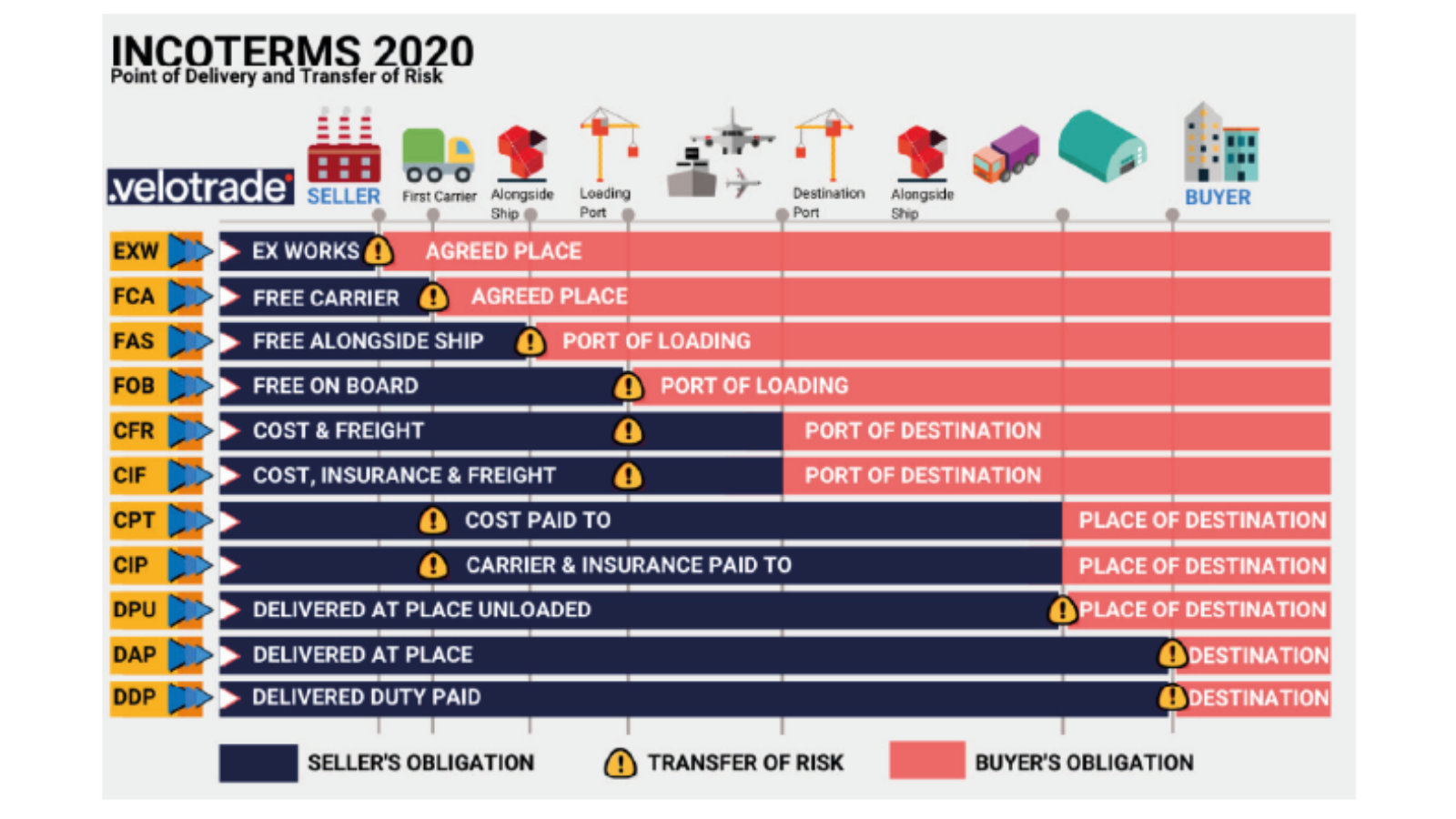
Logistics is the other thing to know. I attended a nine-month course at the Milan Chamber of Commerce on these aspects; getting to the point, the most important thing is to know the Incoterms rules, updated periodically by the International Chamber of Commerce, because when you sell abroad you have to offer the client your own logistics. The table to learn by heart sets out the seller's obligations, the buyer's obligations and the point where risk passes. My advice is to stay either on the first code, Ex Works, or on the last, DDP, Delivered Duty Paid. With Ex Works I prepare the product, communicate the details and the client, independently, comes to collect it and organises everything: loading onto the lorry and into the container, shipping, port of destination, unloading and delivery, duties and customs included, which picked up pace under the Trump administration. If the client is competent and wants to organise transport because they make a margin on it, I offer Ex Works. Otherwise, never the options in between, where the points of dispute are greatest: with DDP I tell the client that I organise everything and deliver to their home, site, shop or warehouse, taking care of logistics, ship, lorry, customs, duties and local taxes. There are experienced carriers who do this, and someone in the office handles it, but the entrepreneur has to know these rules to understand what to offer the foreign client depending on how experienced they are. If I have an e-commerce site and sell €7,000-10,000 of bathroom accessories to a single client in the United States, transport is included in the price; in a sales negotiation it can even be a selling point. Anyone who sells abroad has to know the Incoterms to serve the client better and avoid problems in the delicate phase of international transport.
To sum up: in the first part, why export, to build a company that grows and is worth more; then the seven steps to organise selling abroad. Brand and products at the high end, unassailable products with emotional and content marketing, multilingual customer service, market analysis, planning market entry, inbound enquiries, payments and logistics.
Frequently asked questions
Why should an SME export?
Because SMEs that export grow on average 17% more, have a lower unit labour cost, an ROE of around 14% against 9.6% for those who sell only in Italy, get paid before they ship, diversify country risk and increase the value of the brand.
Which markets should you start with?
The nearby foreign markets: Switzerland, Austria, France, Germany, Belgium and Luxembourg. Rich countries, easy to reach, with clients who love Italian products. Then the United States. China requires a different structure and buys fewer high-end Italian products than Switzerland.
Which Incoterms should you use?
The extremes: Ex Works, if the client is competent and wants to organise transport, or DDP, Delivered Duty Paid, where the seller organises everything up to delivery, duties included. Never the options in between, where the points of dispute are greatest.
What does the company need before it exports?
A brand name that can be pronounced in English, with a payoff and visual that evoke Italianness, products of unassailable quality, a website, blog and materials translated into the languages of the markets, and in-house staff who speak those languages for customer service.
One live webinar a month.
One topic, questions from the business owners who join, answers without sales slides. It's free and in Italian, and it's the simplest way to get to know us.
See the next webinar →