



Parmalat, the perfect illusion: the €14 billion crash and 4 lessons for business owners
Parmalat had taught Italy what a brand was: it was on the ski podium, on Lauda's Formula 1 car and on Parma's football shirt. Then a fax from Bank of America revealed that the 4 billion in cash didn't exist. In this story I take the good of the first twenty years, building a brand from a commodity, and the rot of 13 years of false accounts. At the end, 4 lessons for anyone with a small business.
We need your consent to play it: YouTube uses cookies that may profile what you watch.
Cookie preferences- The brand comes first. Parmalat turned a commodity, milk, into a premium brand. You build the brand first, then the product sells.
- Cash doesn't lie. The company bank account tells the truth even when the accounts are false.
- Problems are dealt with straight away. Losses swept under the carpet become mountains to climb with bare hands.
- Never betray the core business. Funding unrelated ventures with company cash, or worse with debt, is the prelude to collapse.
A company that had taught Italy what a brand was
Its name was on the ski race podiums, on Lauda's and Piquet's Formula 1 cars, on the shirt of Parma's star-studded team. 30 countries, 36,000 employees, 4 billion in cash. Except those 4 billion didn't exist: they were a sheet of paper made with a scanner and a photocopier. For 13 years everyone believed it, or wanted to. The result was a €14 billion hole and 100,000 families affected.
There is good and there is rot in this story, and I take both. In the first twenty years Calisto Tanzi built from scratch a brand that still today, under different ownership, is a leading name in the Italian and European market. Then he turned a successful company into a financial fraud against the shareholders and the savers who bought his bonds over the bank counter. The collapse stayed hidden under the dust for more than a decade. At the end, as in every story that teaches, there are 4 lessons that we small business owners can take home.
1961: a 22-year-old founds his company
In 1961 Calisto Tanzi, aged 22, broke off his studies after his father's death and turned the family charcuterie business in Collecchio, in the province of Parma, into a milk pasteurisation company. The first brand was not Parmalat but Dietalat, soon renamed with the name we all know: the milk of Parma.
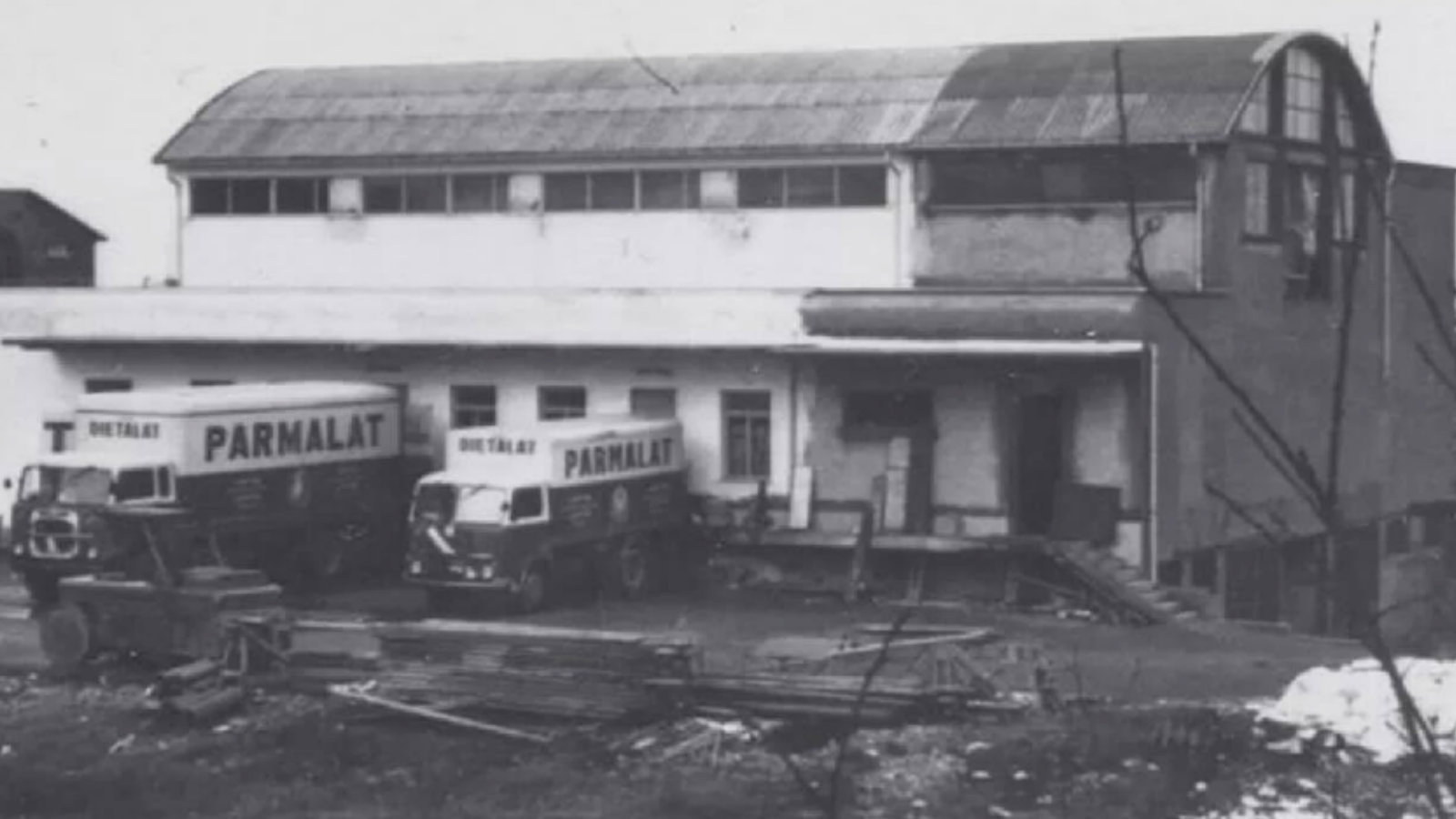
1966: the carton that changed everything
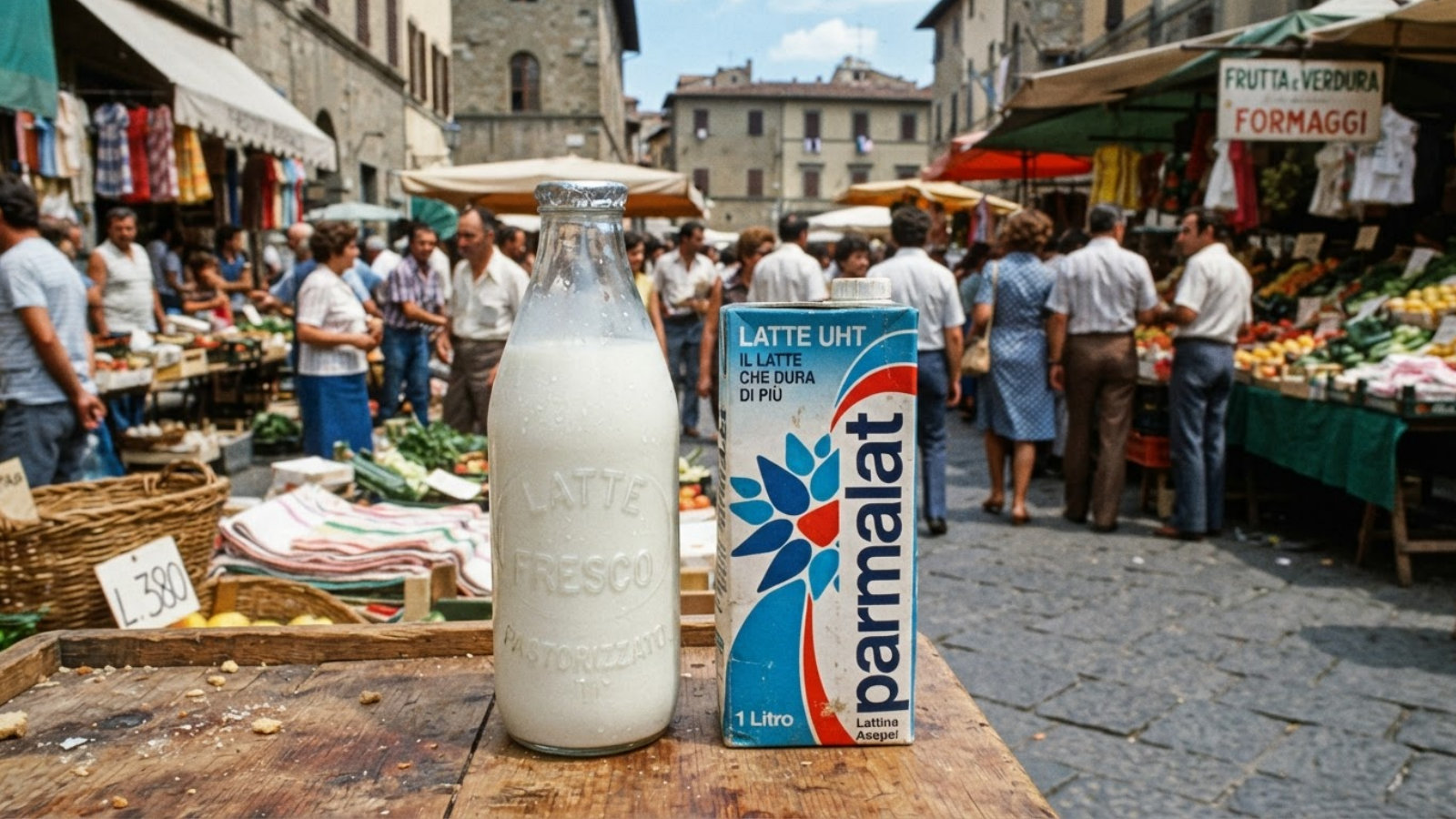
Five years later everything changed. In 1966 Tanzi went on a trip to Sweden and had a decisive insight: adopt UHT technology, meaning long-life milk, and combine it with Tetra Pak. Fresh milk in glass bottles, which had to be delivered every day, became a shelf product. Italian and foreign supermarkets could stock it, and consumers could take it home and drink it over the following weeks. The product was freed from the constraint of daily delivery: it could be branded and exported.
This was Tanzi's real genius. Milk from the cow is the most classic of commodities. All the products we see in shops, ultimately, start out as commodities. The challenge is to turn them into recognised brands, so that the consumer pays a premium price. Tanzi managed it. The revolution was above all the brand, with memorable advertising campaigns that tied Parmalat to the milk of champions.
The 1970s: building the brand through sport
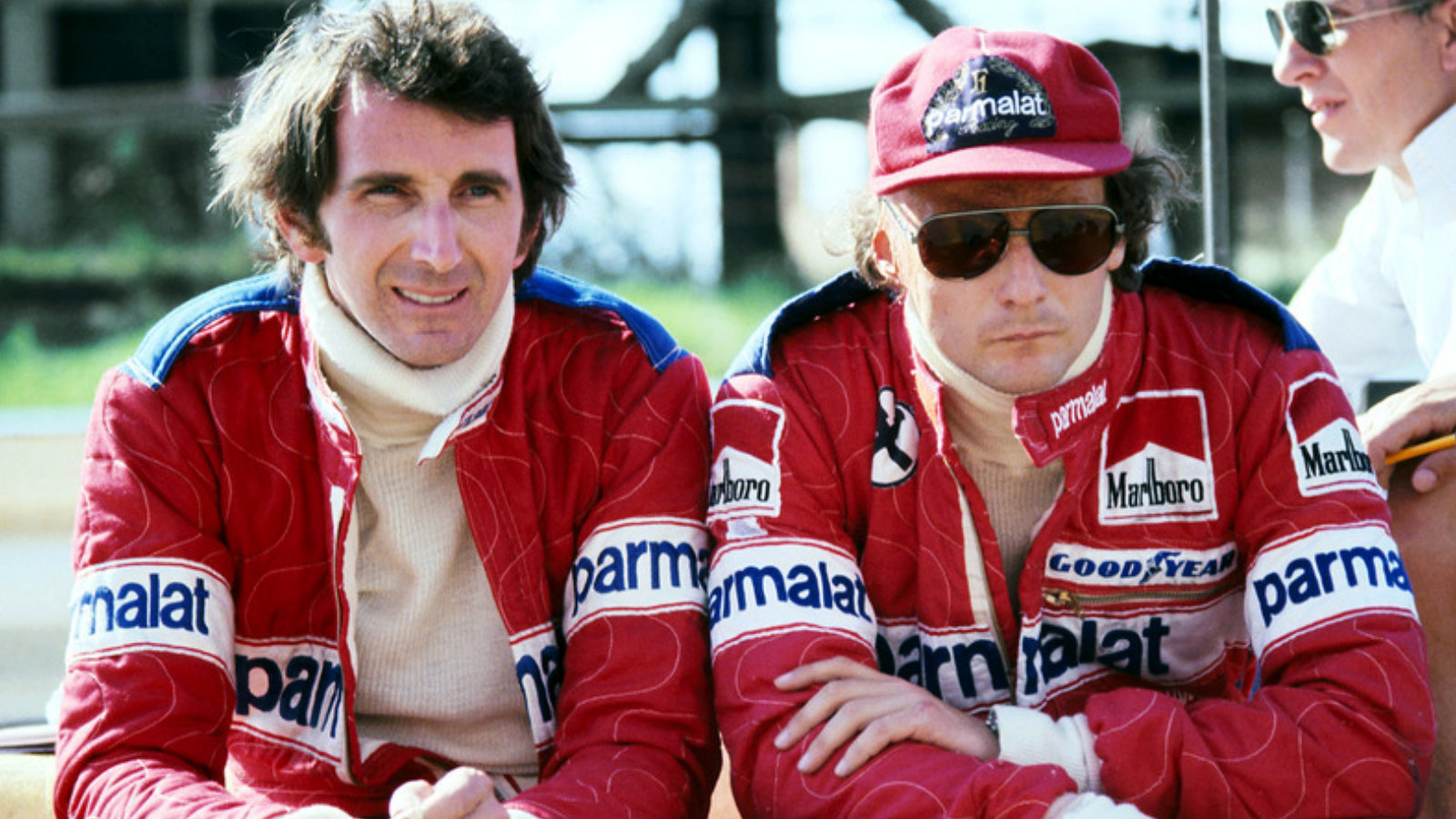
In the 1970s the brand began to be built through sport. First the Ski World Cup, with the sponsorship of Gustav Thöni and Ingemar Stenmark and their famous parallel race in Val Gardena. In 1978 came the move into Formula 1 as main sponsor of Brabham with Niki Lauda, who became the company's de facto spokesman thanks to his red cap.

Milk became a national brand: Parmalat, the milk of champions. The sponsorships were carried into TV commercials that flooded Italian homes, and Parmalat entered every family.
1975-1985: new brands, new products
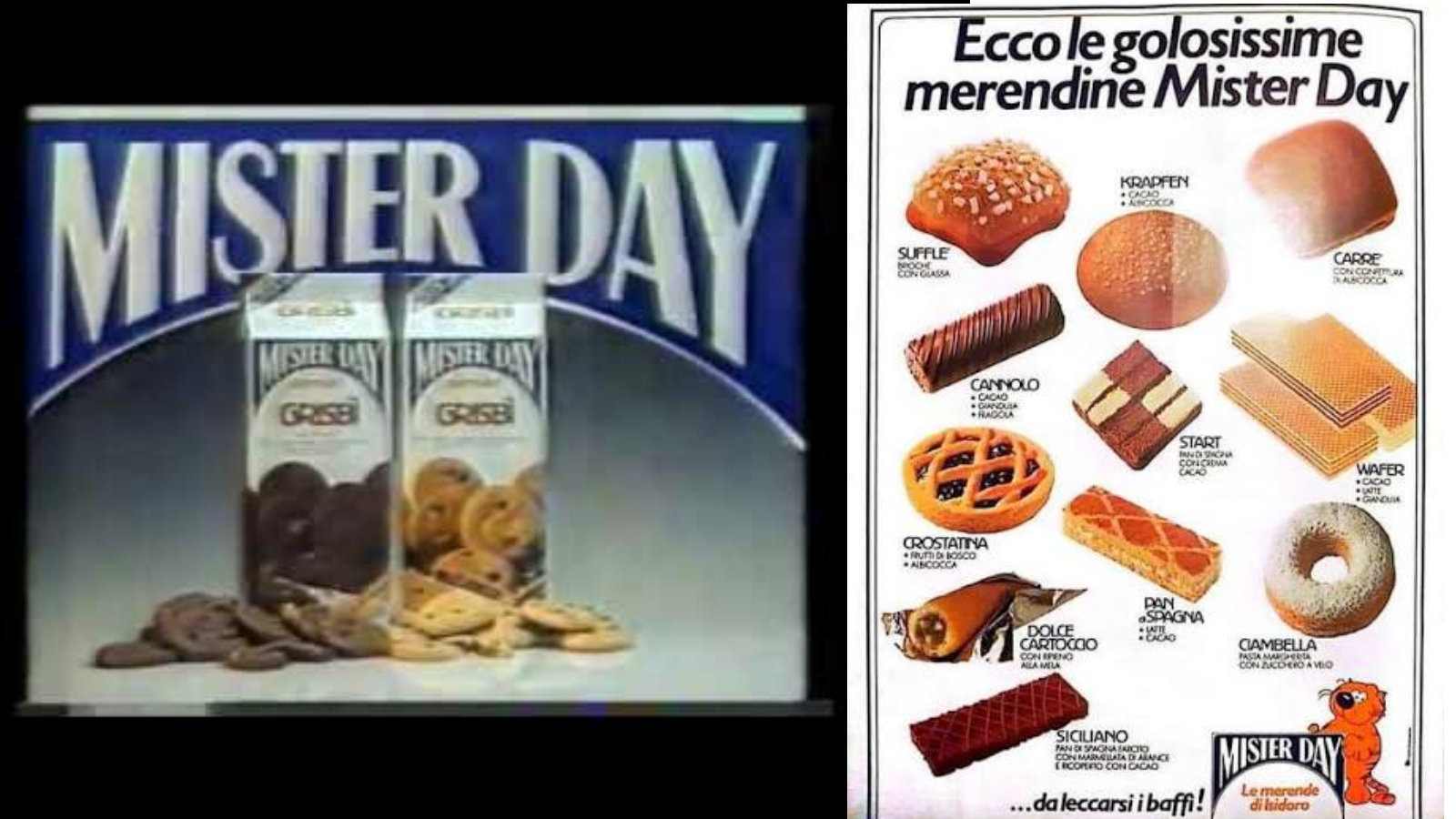
The following decade was one of diversification, done intelligently and by the book, following the rules of branding. Instead of launching Parmalat juice, Parmalat passata and Parmalat biscuits, Tanzi put a new brand on each new product category. The fruit juices were Santàl. The snack cakes were Mister Day, with the commercial that winked at Happy Days and the kids of '86.
In the same period came the first expansions abroad, with the acquisition of farms, above all in Brazil, and the Formula 1 world titles with Nelson Piquet in 1981 and 1983, up to Lauda's title in 1984, the Parmalat cap always on his head.
O così, o Pomì
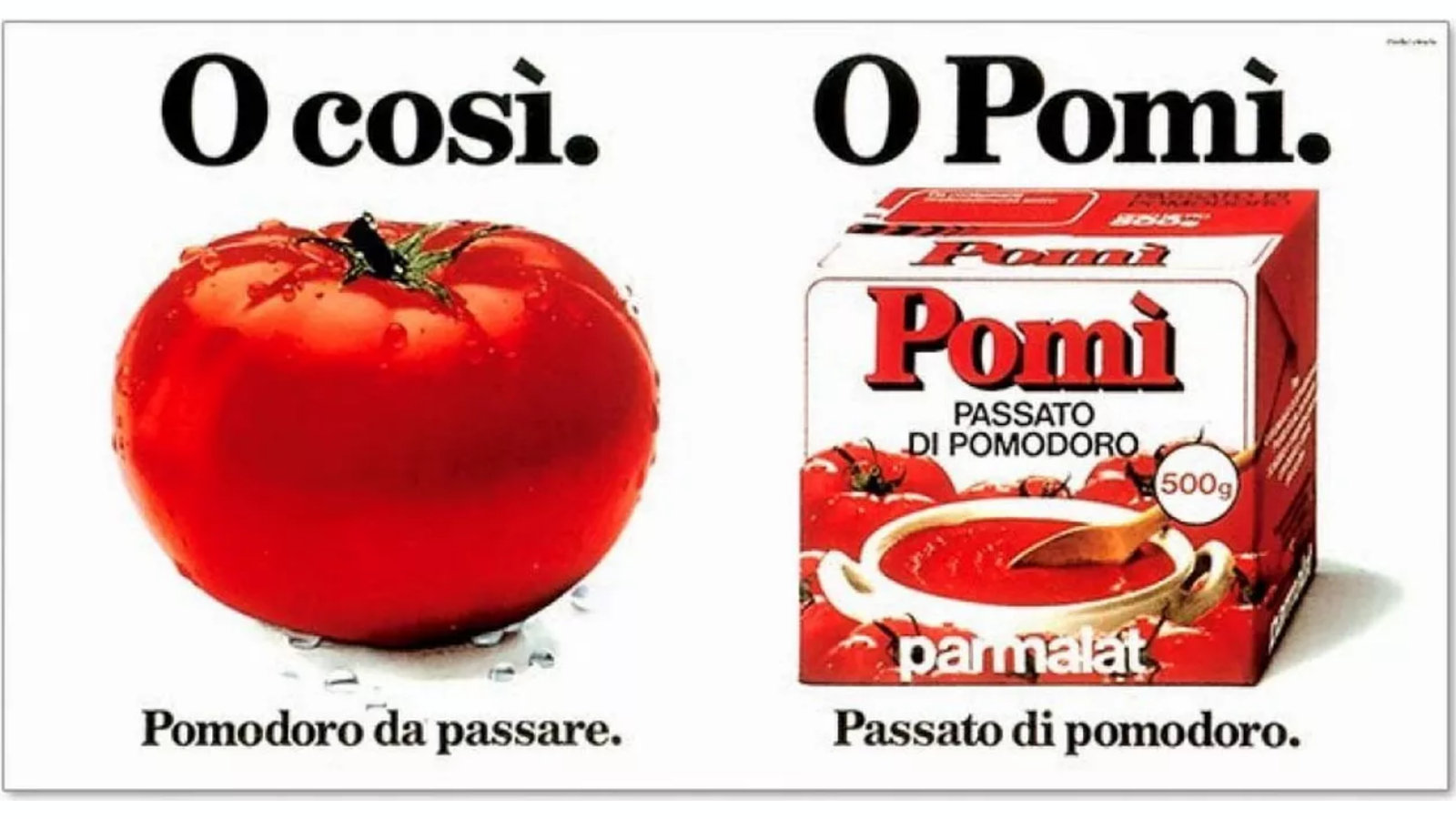
Then came Pomì, the tomato passata. Here too a commodity became an industrial product backed by a strong brand. The slogan "O così o Pomì" (“Either this way or Pomì”), created in 1982 by Pino Pilla, one of the greatest Italian advertising men of all time, is one of the most important slogans in Italian advertising and still accompanies the company more than 40 years later.
Up to this point it is a textbook case of a successful company, doing everything by the book and becoming market leader in Italy and abroad.
Late 1980s: the first hidden crisis
The problems began in the late 1980s, with the first hidden crises and the first investments outside the core business, which for Parmalat was food. The example is Odeon TV. It was the era when the first private networks were challenging RAI, and Tanzi wanted to take over and relaunch that broadcaster. The venture cost Parmalat hundreds of billions of lire, paid for with company cash.
According to the judicial reconstructions that came decades later, it was in this period that the so-called accounting adjustments began.
1990: the stock market and Parma football club
In 1990 two key events took place. The first was the stock market listing, which did not happen directly with Parmalat, because rumours of high debt were already circulating, but through the acquisition of a financial shell that was already listed, Finanziaria Centro Nord. The second was the purchase of Parma Calcio: another diversion of cash from the core business to an outside company.
The court records identify the listing as the point of no return. From here on the false accounts became structural: the hole grew every year and was covered with new debt. The company declared profits while it was actually making losses, and the losses were funded every year with new bonds.
The 1990s: debt-fuelled expansion and financial engineering
In the 1990s international expansion became aggressive and disorderly: dozens of acquisitions in Brazil, Argentina, the United States, Canada, Australia, South Africa, Eastern Europe, in more than 30 countries. On the bond market the group put its foot down and issued securities one after another. At the time they were said to fund the expansion. In reality they covered the losses in the accounts.
Bonlat, the accounting dump in the Caymans
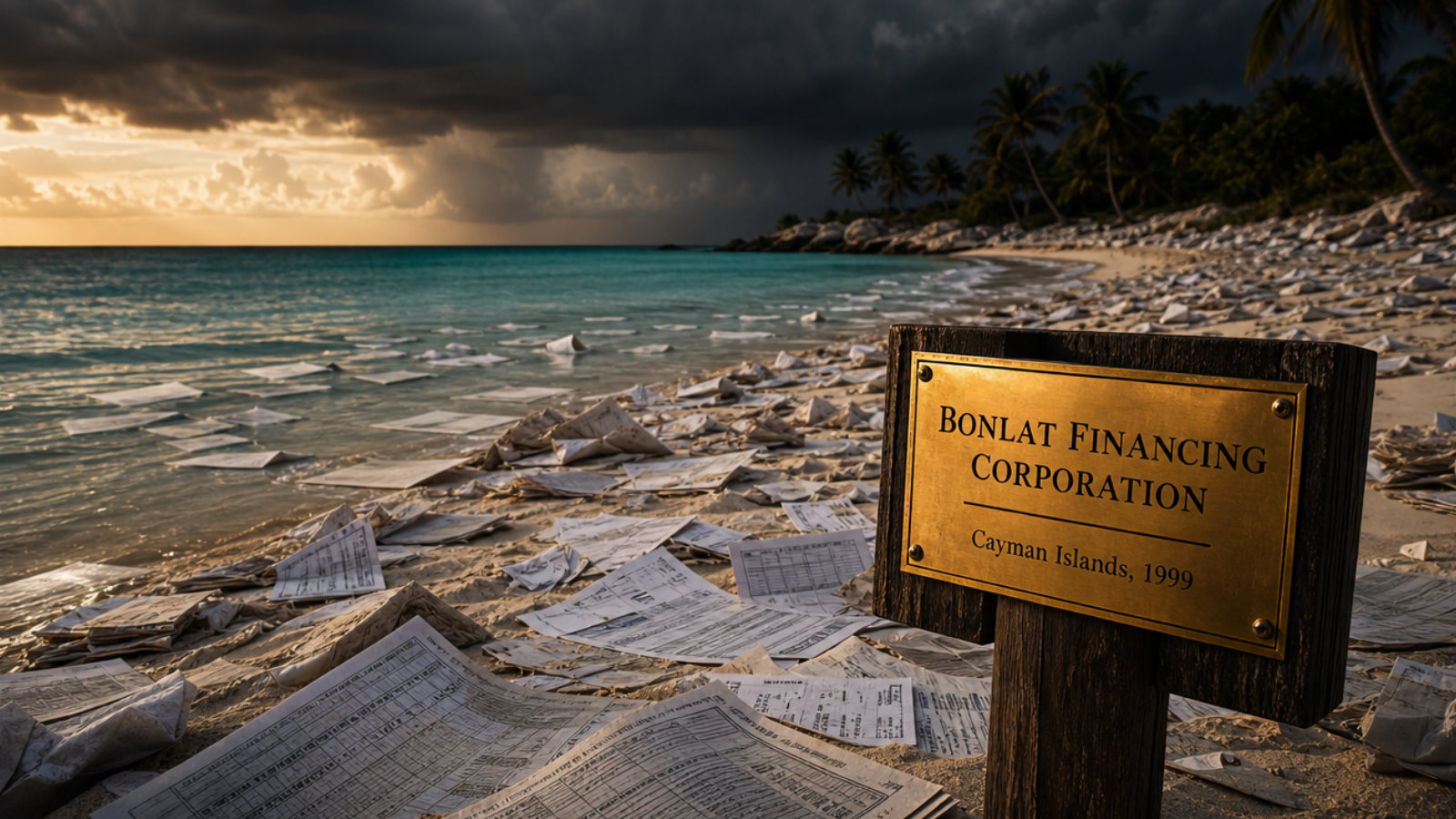
At the end of the 1990s came the step up: outright fraud. After a decade of undeclared losses covered with debt, the funding requirement became enormous and bond issues intensified, reaching 7-8 billion in total by 2003. In 1999 Bonlat was set up in the Cayman Islands, the so-called accounting dump where fictitious cash and receivables were concentrated.
The invented Bank of America account
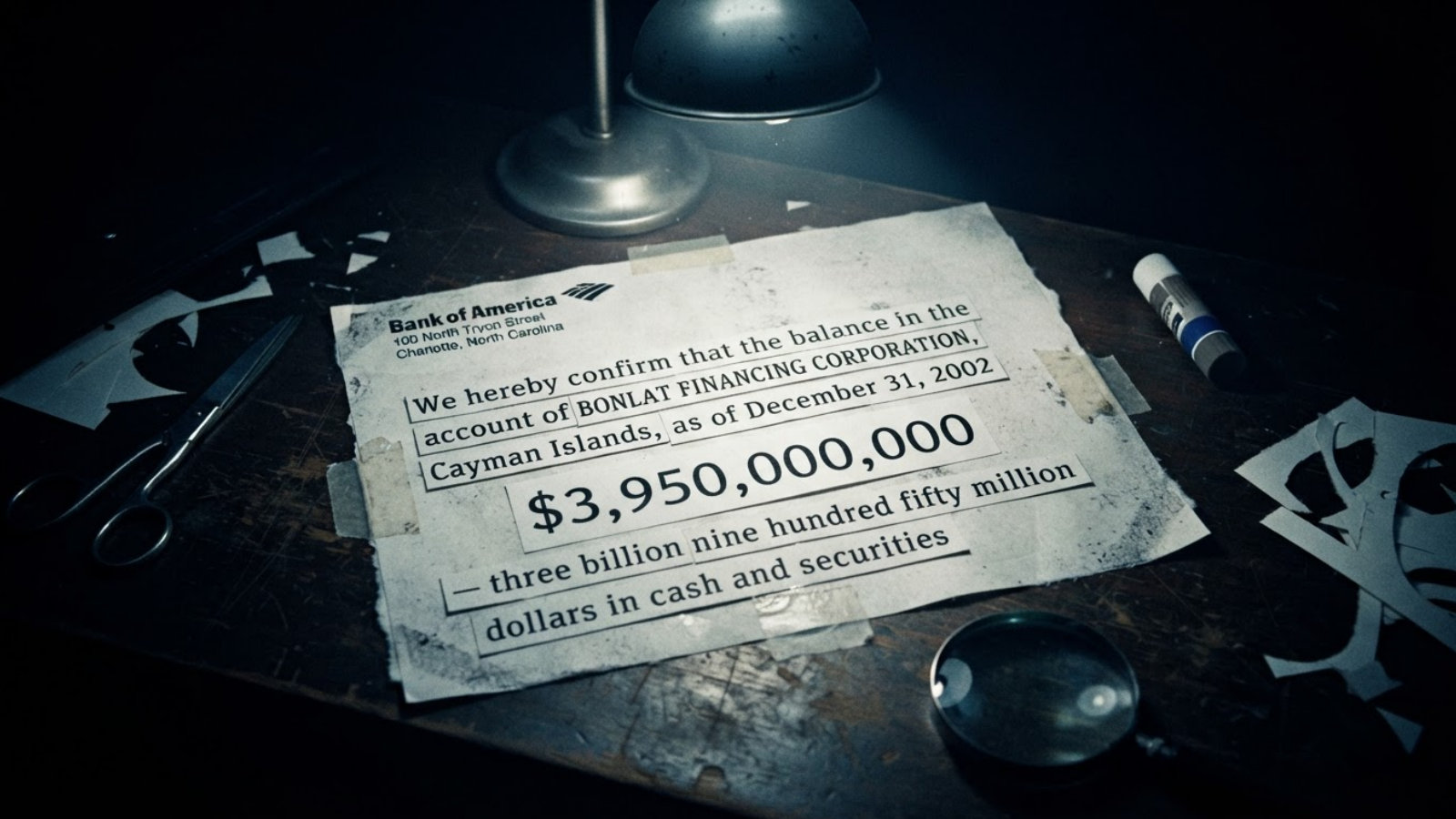
The scandal emerged from a literally invented account. Parmalat's finance director created fake bank statements with scissors, glue and a scanner, simulating a Bonlat account at Bank of America. An account on paper, non-existent in reality, with a declared balance of €3.95 billion in cash and securities. The aim was to buy the banks' credibility to obtain new financing.
The snowball of accounting adjustments from the early 1980s had become an avalanche.
Paper Parmalat, real Parmalat
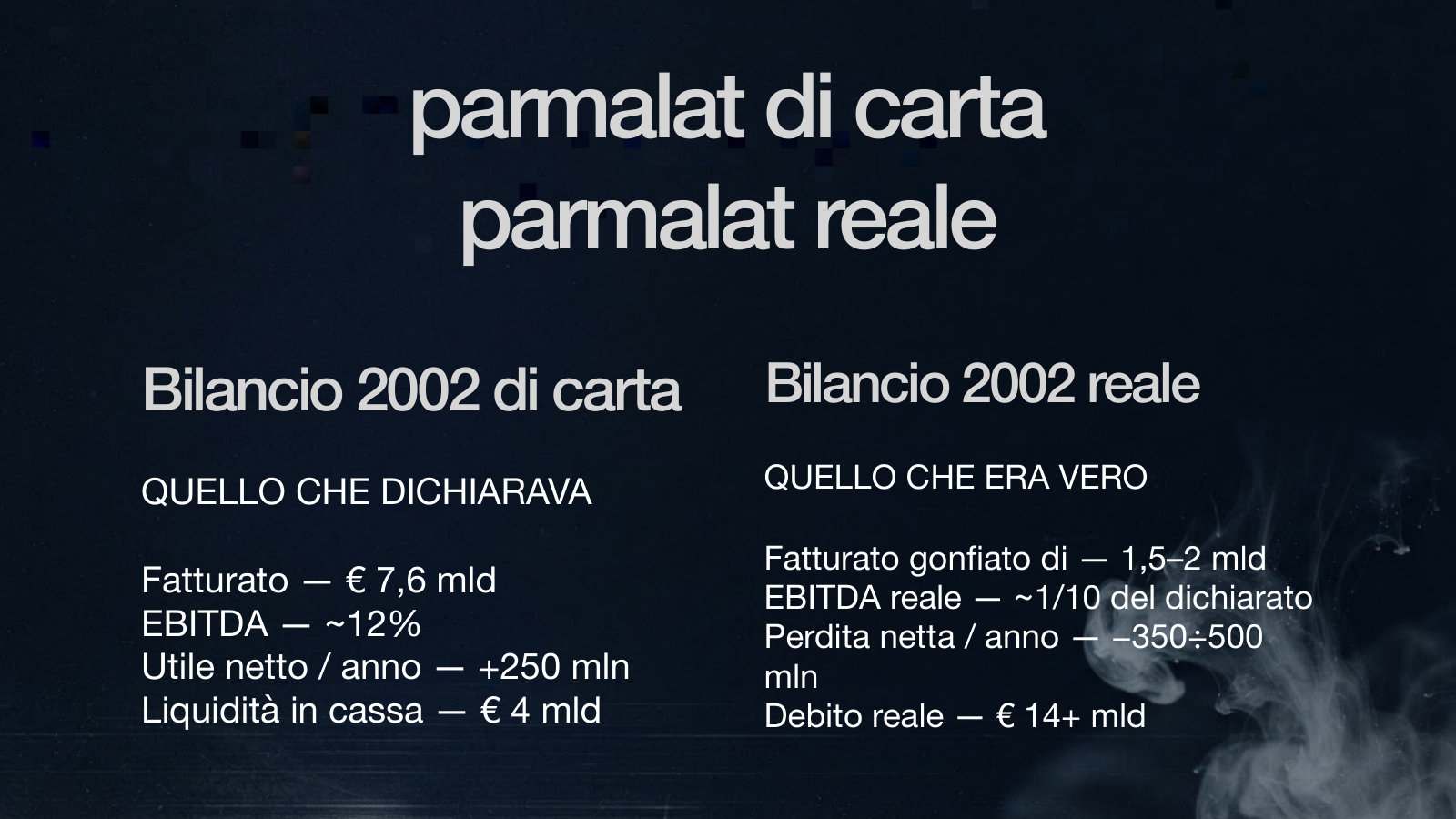
Why did the house of cards collapse? Because there were two Parmalats. The paper one declared for 2002 revenue of 7.6 billion, an EBITDA of 12%, a profit of 900 million, up 250 million on the previous year, and 4 billion in cash.
The real one, as reconstructed by investigators, had revenue inflated by 1.5-2 billion, an EBITDA of 1-2%, an annual net loss of between 350 and 500 million and real debt of €14 billion: almost double its revenue. Those losses were exactly what was funded every year with new bonds.
December 2003: the crash
Technically the crash began on 8 December 2003, when Parmalat failed to repay savers a 150 million bond. For the first time there was no cash to cover the maturing tranche and the interest. On 19 December Bank of America denied in an official statement the existence of the €3.95 billion Bonlat account: the document was a fake made with a scanner and a photocopier. The share price went to zero. On 27 December Tanzi was arrested in Milan on his return from a trip to South America.
A 14 billion hole, more than 100,000 bondholders affected. It was the biggest European collapse of its time, second only to Enron.
The auditors of a listed company noticed nothing unusual. Neither did the journalists. The only one to talk about it in his shows, before the crash, was Beppe Grillo, and credit where it's due: he was outside the system, had nothing to lose and simply studied the accounts and asked the basic question. If you are declaring profits, why do you keep issuing bonds and taking on debt?
2003-2026: the rescue, the trials, Lactalis
The story moved to the prosecutors' office and the government passed the Marzano decree, the fast-track extraordinary administration, because this was Italy's most important food company and one of the most important in Europe. The commissioner Enrico Bondi sued the banks and the auditors, and turned those lawsuits into treasury: the new Parmalat built up about 1.5 billion in cash, real this time. Activities outside the core business were sold off, starting with Parma Calcio, which under later owners would go bankrupt.
In the following years came the trials for fraudulent bankruptcy, with plea bargains for managers and auditors and heavy sentences for Tanzi and the finance director. In 2011 France's Lactalis launched a takeover bid for Parmalat, went above 95% and in 2019 delisted it from the Milan Stock Exchange. Today the company is still headquartered in Parma, produces in its Parma plants and sells Parmalat-branded milk in Italy, in Europe and around the world.
The lessons for business owners
This is a story of genius, of a brand's rise and of pure marketing, right up to the final collapse. A collapse that, besides the entrepreneur, the banks and the suppliers, as in an ordinary liquidation, hit around a hundred thousand savers who had bought bonds over the bank counter.
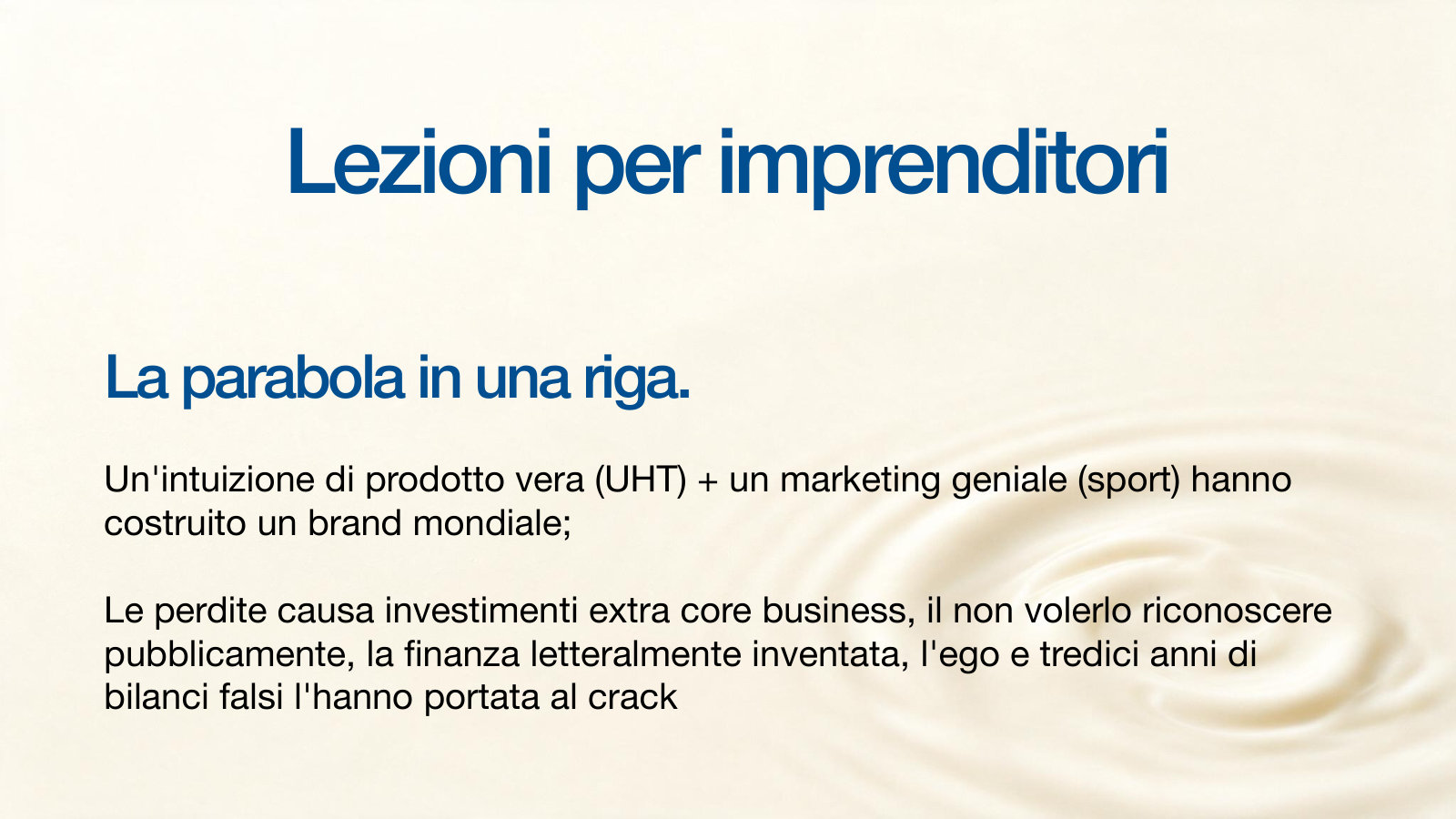
In one line: a genuine product insight, UHT milk in Tetra Pak, combined with brilliant marketing built on sport, created a global brand. The losses caused by investments outside the core business, the refusal to acknowledge them publicly, literally invented finance, ego and 13 years of false accounts brought it to collapse. Hence the 4 pieces of advice for anyone running a small business.
1. The brand comes first
Parmalat took a commodity and turned it into a premium product. Create a brand before anything else, make it known, build winning advertising campaigns. Today, with a few tens of euros a day, you can run video ads on Facebook, Instagram and the other digital platforms, without budgets of millions. And build your own sales network: at the start Tanzi built his door to door, before moving into large-scale retail.
2. Cash doesn't lie
This is the fundamental rule. You have to distinguish revenue, which is the entrepreneur's ego, from first-level margin, after variable costs, and from the final margin, after fixed costs, before financial charges, depreciation and taxes. But even this isn't enough, and neither are tidy and ideally truthful accounts, a tidy business plan and the margin on paper.
What you must never lose control of is the company's cash: how much money is in the current accounts, including any bank overdraft facility, preferably not to be used, plus the certain receipts over the next 30 days. It is the figure the entrepreneur must know by heart every day and every week, because it determines the health of a small or medium-sized business. The accounts may say one thing, management control too. But if I collect at 60 days, pay suppliers at 30 and 30% of what I am owed goes unpaid, cash doesn't lie. Set up internal management control and prevent problems instead of suffering them.
3. Problems are dealt with straight away
As entrepreneurs we live under short-term pressure: salaries at the end of the month, tax payments, suppliers. Costs are certain, revenue is uncertain. There is no point denying it. What matters is not lying to ourselves and not telling ourselves it will all be fine because it's just a bad patch. Low sales, high costs, little profit or an operating loss must be dealt with straight away, with a clear head, before they become mountains to climb with bare hands.
Otherwise we do on a small scale what Tanzi did: we sweep the dust under the carpet and mask the losses to show the banks acceptable accounts, while the cash is crying. And today pretending is impossible: 25 years have passed, banks work with digital current accounts and nobody can make a bank statement with a photocopier any more.
4. Never betray the core business
Diversifying is fine if you do it the way Parmalat did in its first twenty years: new products within the core business, with new brands. What you must avoid is stepping outside your core business to launch new ventures or chase dreams, until the company produces a positive, predictable and steady cash flow, month after month and year after year.
Funding unrelated ventures with company cash, or worse by taking on debt, is the prelude to disaster. The company produces profits; if the entrepreneur then wants to take on new challenges with the wealth that comes from those profits, they are free to do so. But the company's cash is not diverted to fund activities that have nothing to do with its core business.
Frequently asked questions
How long did the Parmalat fraud last?
According to the judicial reconstructions, the accounting adjustments began at the end of the 1980s and the false accounts became structural from the 1990 stock market listing. The crash came in December 2003: about 13 years of false accounts.
How was the Parmalat hole discovered?
On 8 December 2003 Parmalat failed to repay a 150 million bond. On 19 December Bank of America denied the existence of the €3.95 billion Bonlat account: the document was a fake made with a scanner and a photocopier. On 27 December Tanzi was arrested.
Does Parmalat still exist?
Yes. After the extraordinary administration led by commissioner Enrico Bondi, France's Lactalis launched a takeover bid in 2011 and in 2019 delisted Parmalat from the Milan Stock Exchange. The company is still headquartered in Parma, with plants there.
What is the main lesson of this story for an SME?
Cash doesn't lie: the entrepreneur must know every week the cash available and the certain receipts over the next 30 days, and deal with problems straight away instead of hiding them.
One live webinar a month.
One topic, questions from the business owners who join, answers without sales slides. It's free and in Italian, and it's the simplest way to get to know us.
See the next webinar →