

Giorgetto Giugiaro: the man who designed the Panda, the Golf and the DeLorean, and 5 lessons for business owners
More than sixty million cars built around the world on the drawings of one man: the Golf that saved Volkswagen, the Panda that put Italy on wheels, James Bond's Lotus, the DeLorean from Back to the Future. Giorgetto Giugiaro joins Fiat as an apprentice at seventeen, runs the Bertone Style Centre at twenty-one and founds Italdesign at twenty-nine, on a simple idea: beauty has to be buildable. I tell his story and the 5 lessons every business owner can take into their own company.
We need your consent to play it: YouTube uses cookies that may profile what you watch.
Cookie preferences- Structure before style. Giugiaro never drew a line before he understood the chassis, the engine and the factory. The same holds in a company: first a solid business model, then the marketing.
- Speed is an advantage. The Panda was drawn in a few weeks, during the holidays. Being first to solve a problem is worth more than being a perfect second.
- Industrialise talent. One person's genius cannot be multiplied. A method can. Giugiaro turned his talent into a process, and that process into a company.
- The outsider sees what insiders no longer see. Giugiaro always stayed outside the carmakers, and that is why he saw things their styling departments missed.
- Passion is the engine. At 88 he still draws because he enjoys it. The money came as a consequence, never as the goal.
Sixty million cars, one pencil
More than sixty million cars: that is the estimate of the vehicles built around the world on the drawings of one man. You have seen them everywhere, you have probably sat in one, maybe you have driven one. The Golf that put Volkswagen back on its feet. The Panda that put Italy on wheels. The Uno, the Punto, James Bond's Lotus, the DeLorean from Back to the Future. Behind all of them is the same pencil.
Las Vegas, December 1999. A jury of more than a hundred journalists from around the world has to choose the car designer of the century. The winner is an Italian, born in a mountain village of three thousand people. His name is Giorgetto Giugiaro.
In this story I tell you how a boy from the provinces became the designer of the century. Above all, I tell you what a business owner can learn from him today.
Garessio: art in the blood, technique as a trade
Giorgetto Giugiaro was born in Garessio, in the upper Tanaro valley, on 7 August 1938, into a family where drawing was a trade. His grandfather Luigi painted frescoes in the valley churches, his father Mario painted altarpieces and oil paintings. Every day his father gave him an assignment, a landscape or a portrait. And he kept telling him something that would stay with him all his life: you cannot live on art alone, you need technique.
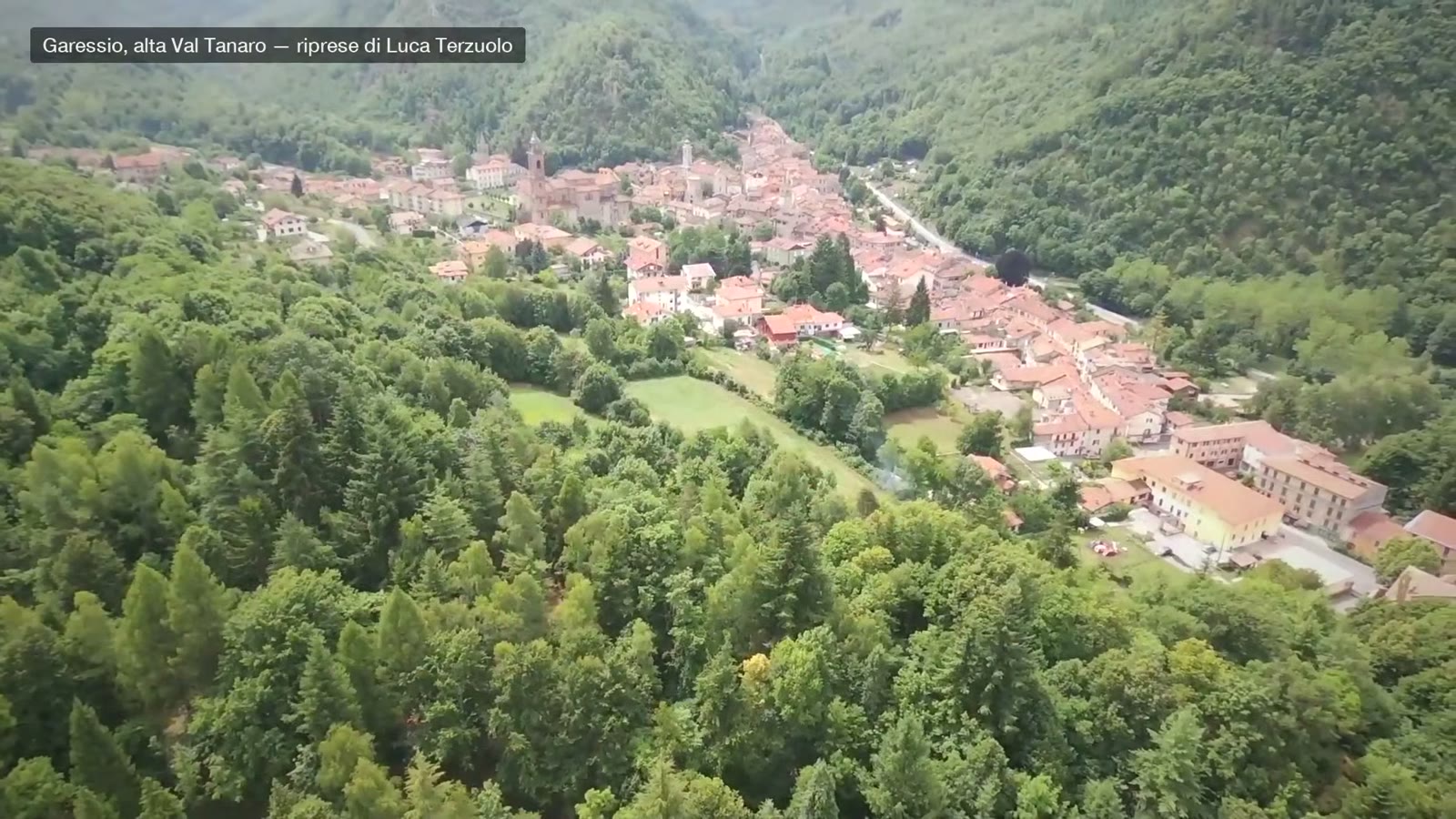
In 1952, at fourteen, he left for Turin. He wanted to get into the Academy, but didn't make it. By day he studied painting at the school of Eugenio Colmo, the caricaturist known as Golia. In the evening he took a technical drawing course. That combination would make the difference: “My father pushed me to understand drawing, technical drawing too, so I combined technical knowledge with artistic knowledge.”
In June 1955, at the end-of-year exhibition, one of the visitors was a nephew of Colmo. His name was Dante Giacosa, the engineer who designed the Fiat 500. He looked at the boy's car drawings and made him an offer. In September, at seventeen, Giugiaro joined Fiat as an apprentice in the special vehicles styling office.
It was a tough school. In four years not one of his drawings got past his boss's desk. But he learned something no academy would have taught him: how a production car is built, in millions of units.
Head of the Bertone Style Centre at 21
At the end of 1959 Nuccio Bertone, the most ambitious coachbuilder in Turin, saw his drawings. At first he didn't believe it: “The problem was that he didn't believe I was the one who had made the drawings I was showing him.” He tested him with a commission, Alfa Romeo bought the project and the next day Giugiaro resigned from Fiat. At twenty-one he was head of the Bertone Style Centre.
Then came military service, with the Alpini. He didn't stop drawing: in his free hours at the barracks one of the most beautiful Alfa Romeos ever took shape, the Giulia Sprint GT.
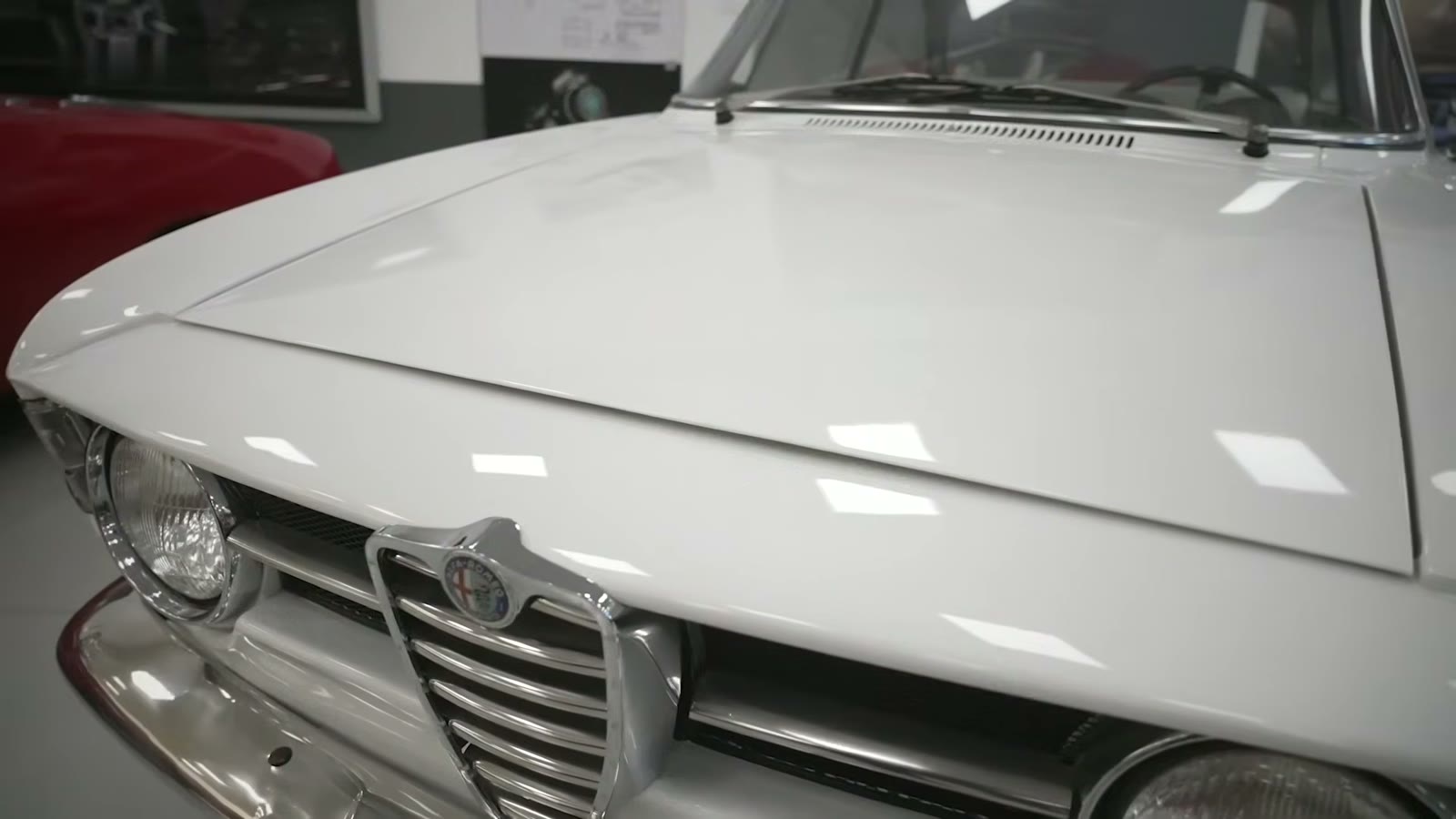
In six years at Bertone he signed the Giulia GT, the Iso Grifo, the Fiat 850 Spider and the Chevrolet Corvair Testudo. And there is one car that still divides opinion: the Lamborghini Miura, officially by Marcello Gandini, which Giugiaro always maintained was largely his.
The Testudo, in 1963, was a dream car: a glass dome and a very long nose. To thank him, Bertone lent it to him for a weekend, and he used it to pick up his girlfriend, who worked at Fiat. He parked in front of the gates, the office staff came out and everyone stopped around the prototype. Except her. That evening he asked her why she hadn't come out. Her answer: “I thought it was the street vendors.”
Ghia and recognition
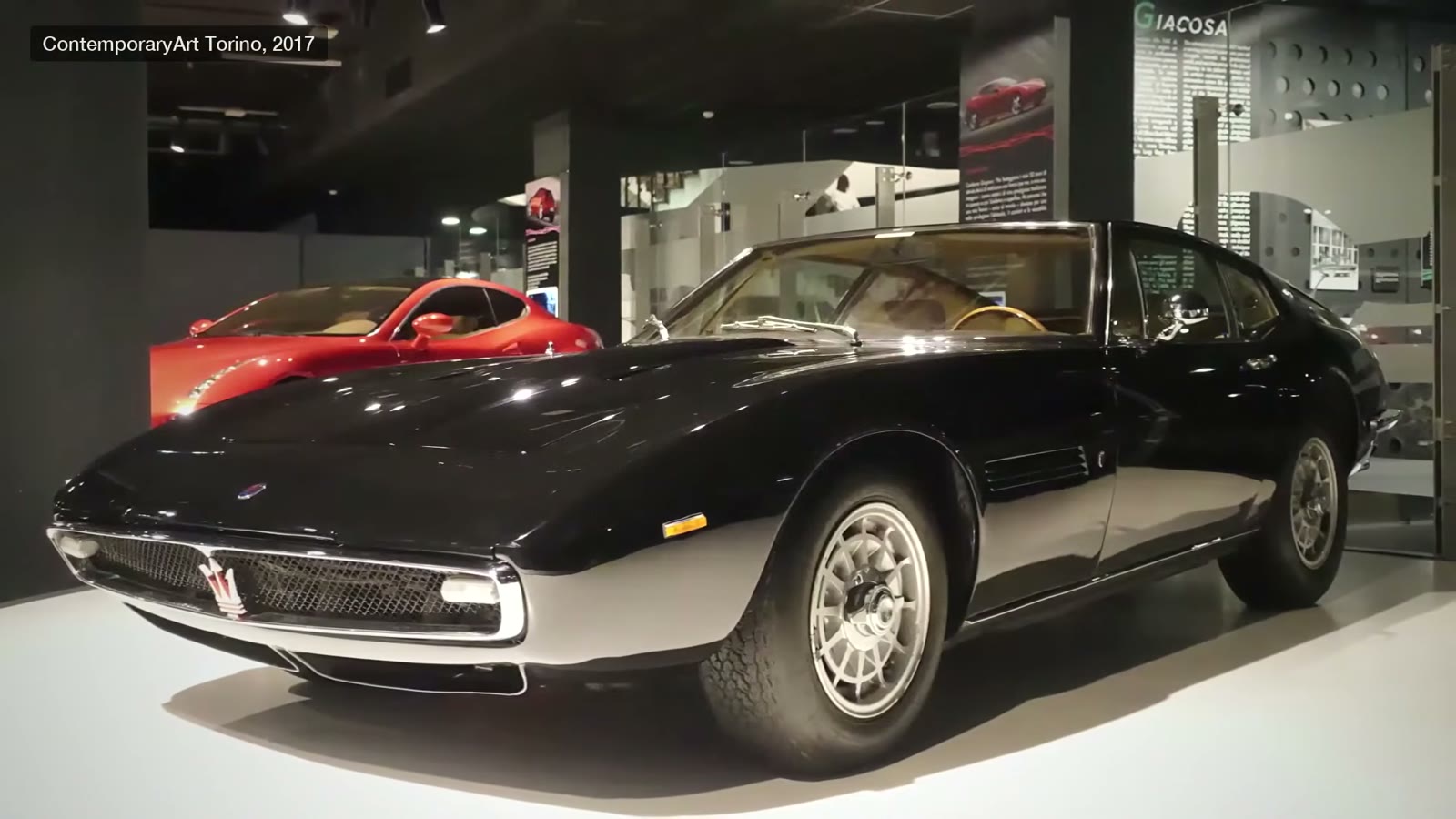
In 1965 he married and Ghia offered him double his salary. At twenty-seven he designed the Maserati Ghibli and the De Tomaso Mangusta, which made their debut at the 1966 Turin Motor Show. The Ghibli is long, low and taut: a wedge nose, lots of glass, no ornament. The car world understood it was looking at a master, not a young talent.
Italdesign: beauty has to be buildable
At twenty-nine he could have run styling at any carmaker in the world. Instead, in February 1968, he founded in Turin, with the engineer Aldo Mantovani, the studio that would become Italdesign. Giugiaro was the creative soul, Mantovani the engineering genius.
The idea was simple and revolutionary. The other coachbuilders sold drawings: a beautiful idea that the factory then had to work out how to build. Italdesign sold the complete package: styling, engineering, prototype. A car ready for the assembly line. For a carmaker that meant shorter lead times, fixed costs, fewer surprises. For Giugiaro it meant one thing: beauty has to be buildable.
The first test was the Alfasud, presented in 1971 for the new factory at Pomigliano d'Arco. Giugiaro worked side by side with the Austrian engineer Rudolf Hruska: “I can say I didn't draw a single pencil line without his approval.”
I want to stop here for a moment, because this is the point that matters most to a business owner. Italdesign didn't sell better-looking drawings than the others. It sold the solution to a client's problem: getting into production sooner, spending what had been budgeted. That is the difference between selling a product and selling a result.
Volkswagen has a problem: the Golf is born
At the start of the 1970s Volkswagen had a huge problem. The Beetle was more than thirty years old, it was still selling, but the world had changed. Wolfsburg needed a new car, and needed it fast.
In January 1970 Giugiaro, aged thirty-one, flew to Wolfsburg alone. In a room there were thirty or forty engineers and in the middle, taken apart piece by piece, a Fiat 128, Giacosa's car. He asked why the project they were showing him was smaller, with less space and a smaller boot, than a car it was supposed to compete with. The answer surprised him: “We will never manage to make a product like the Fiat 128, with that weight, that cost, that interior space.” They had, he recalls, an incredible reverence for Fiat.
So Giugiaro proposed a hatchback. On 29 March 1974 production of the Golf began in Wolfsburg: taut lines, a flat roof, a large tailgate, a clean geometry that changed the compact car class for ever.
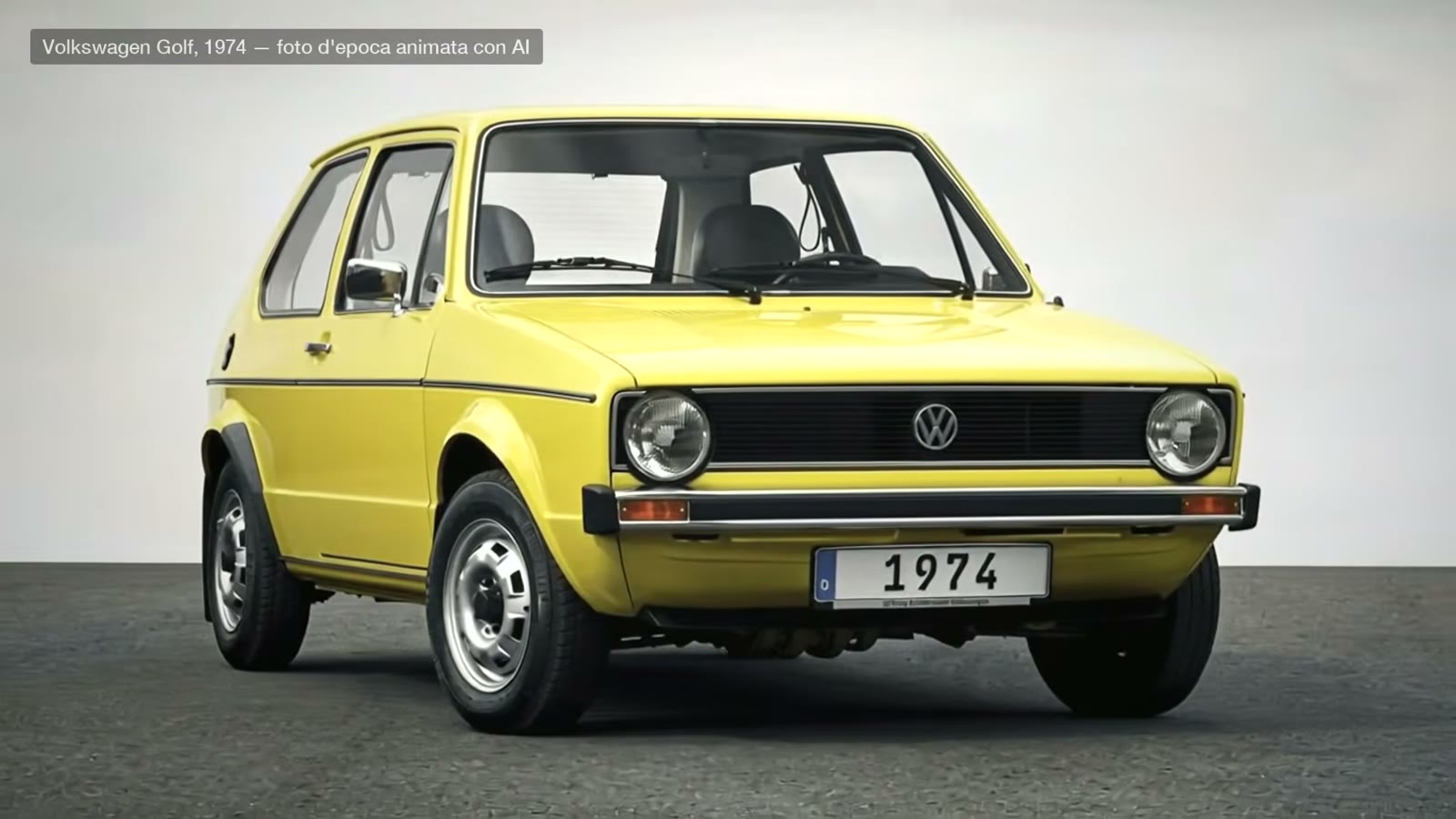
It was the hardest year in Volkswagen's history: the oil crisis and accounts deep in the red. The Golf, Passat and Scirocco, all designed by Giugiaro, were the cars that put it back on its feet. Fifty years later the Golf has passed 37 million units over eight generations. Giugiaro designed the first, and all the others descend from it.
The Panda: a fridge, a pair of jeans
July 1976. Fiat's new chief executive, Carlo De Benedetti, went to see Giugiaro and Mantovani. He wanted a small, cheap, new car, with two constraints: it must not weigh or cost more than the 126. And he wanted it straight away. Giugiaro told him they would start in September, after the holidays. De Benedetti asked him where he was going on holiday. Sardinia. “Good, I'm in Sardinia too. You go swimming in the morning, and in the afternoon you start working on this product.”
And so he did. By the end of August the project was ready; they called it Tipo Zero. When he phoned to show it, De Benedetti had already resigned. The project went ahead anyway, and in 1980, at the Geneva Motor Show, Tipo Zero got a name: Panda. Flat panels, seats that came out and turned into a bed, a dashboard that was a canvas shelf. Everything was cheap and everything had a purpose.
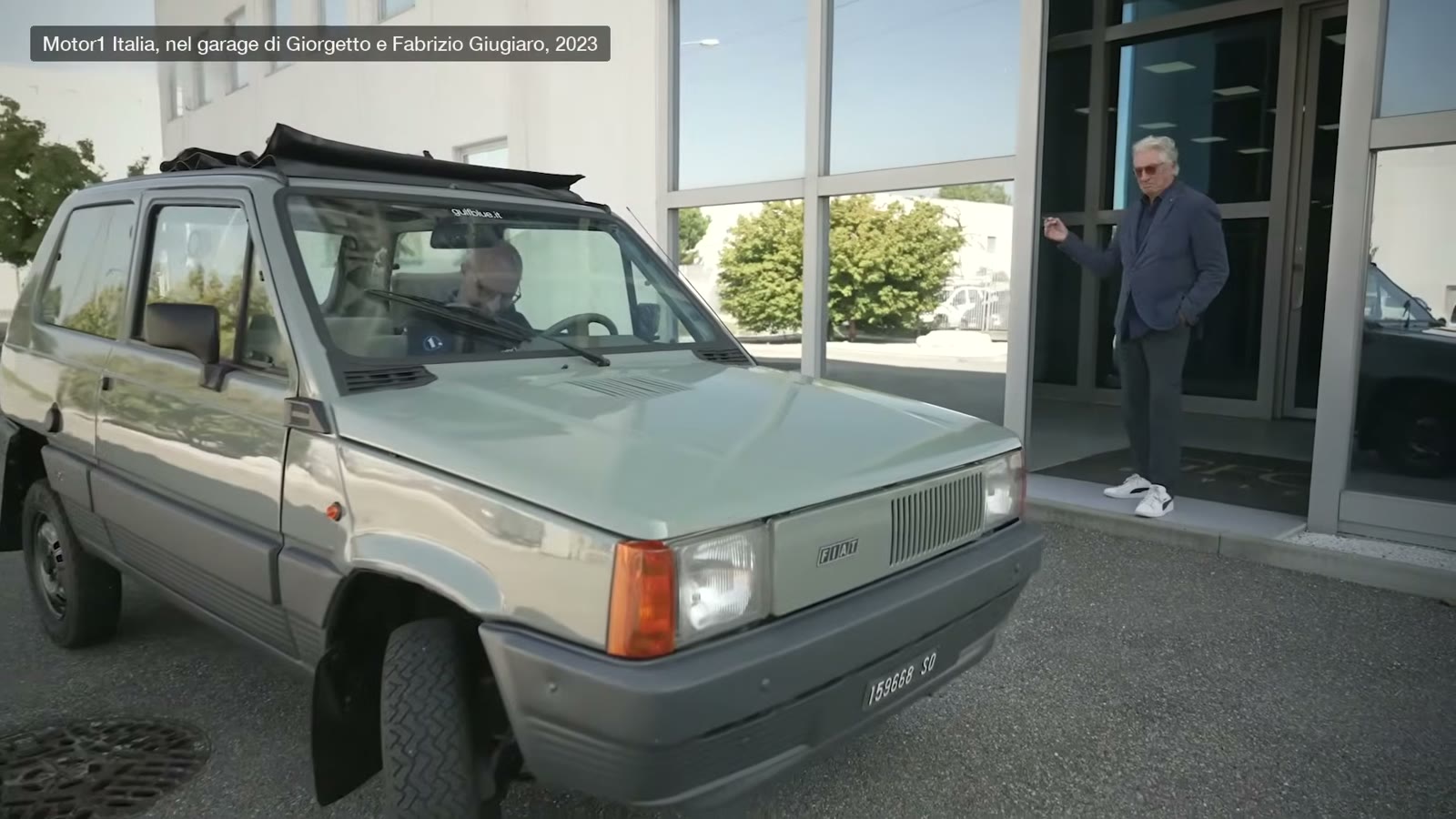
Giugiaro always said he had designed a fridge, because to get the most space the Panda had to be boxy. And he added that redesigning a Ferrari often seemed easier to him than that Panda, because of all its constraints. At the launch he described it like this: like a pair of jeans, simple, practical clothing with no frills.
Then, in 1979, Vittorio Ghidella took over Fiat Auto, and he needed a car to put the accounts in order. Giugiaro designed him the Uno: tall, roomy, aerodynamic, Car of the Year in 1984 and for years the best-selling car in Italy. Then the Punto, in 1993, and the Grande Punto, in 2005. In between, the Lancia Delta and the Thema and Croma flagships. For decades a large share of the cars on Italian roads came from the same pencil, and proved something the German carmakers, focused on precision, often forgot: a cheap car can have character too.
The dream: James Bond's Lotus and the DeLorean
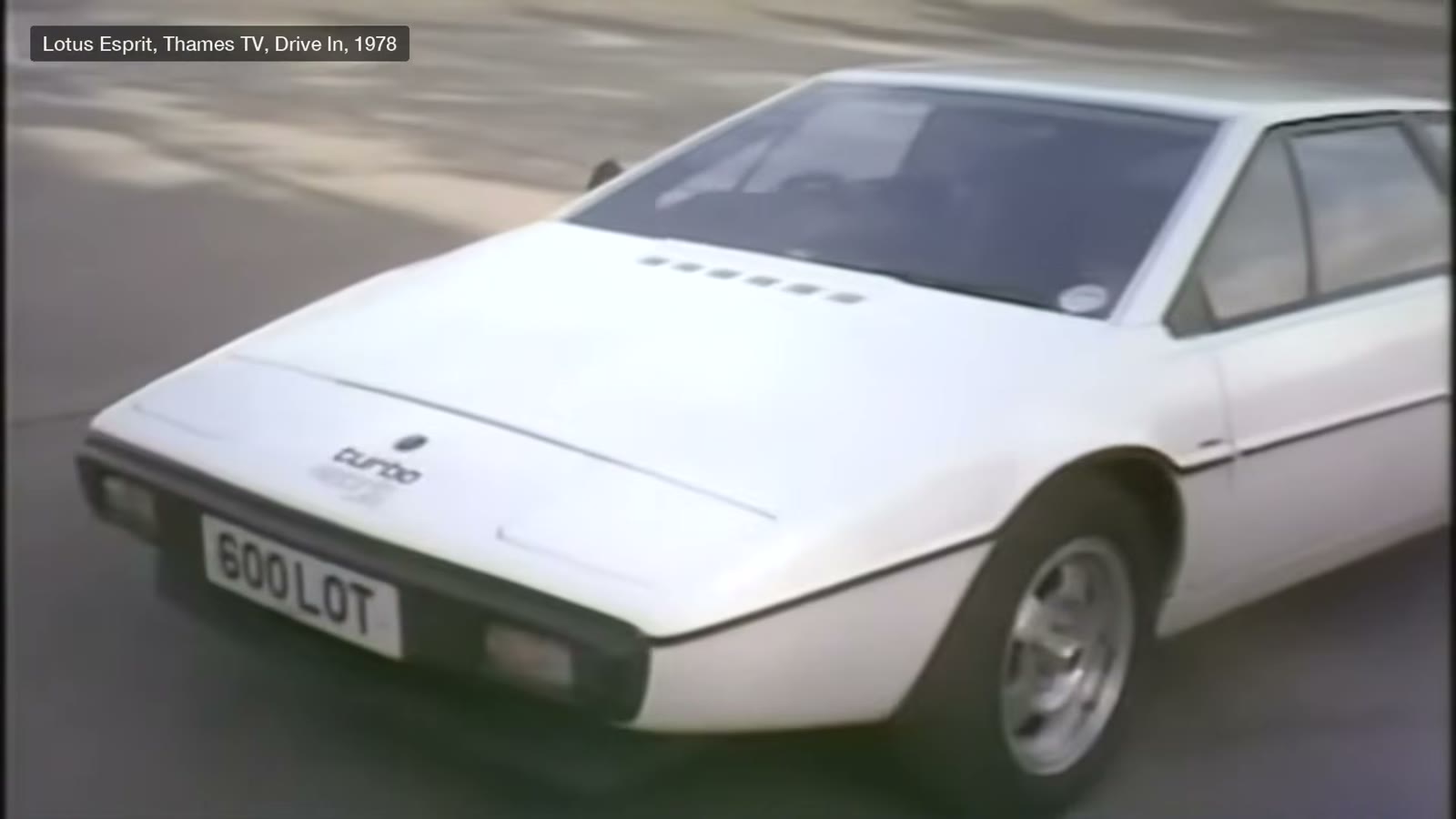
The same pencil could draw the dream too. In 1972, at the Turin Motor Show, Italdesign presented a wedge-shaped prototype on Lotus mechanicals: lines drawn with a ruler, a profile as flat as a blade. Colin Chapman, the founder of Lotus, was tempted to drop it because of an aerodynamics problem. But the prototype drew interest at the show, Chapman changed his mind and in 1976 the Esprit went into production. A year later, in The Spy Who Loved Me, James Bond drove it off a pier and the Esprit turned into a submarine.
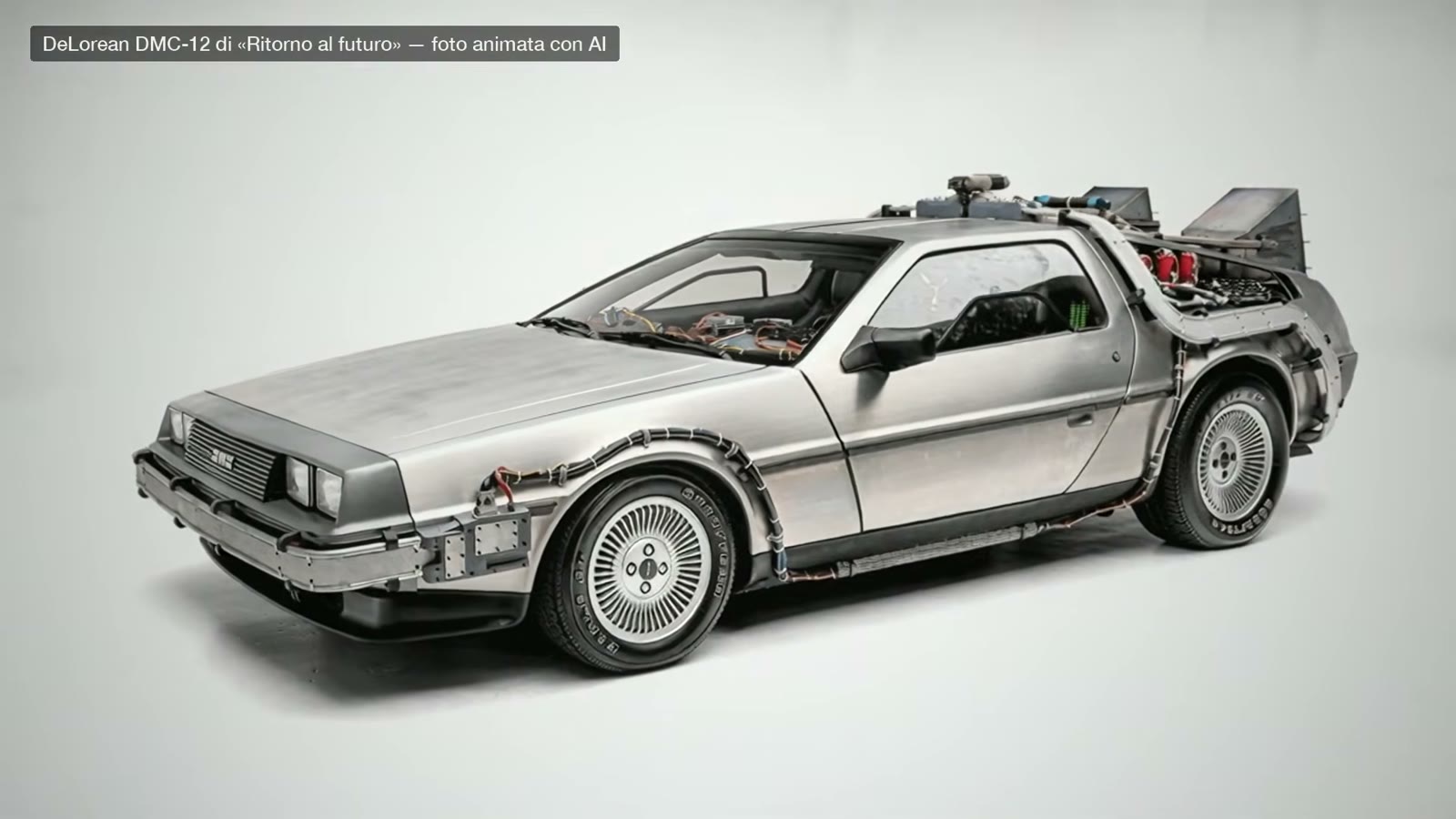
In 1974 a former General Motors executive, John DeLorean, signed a contract with Italdesign. He wanted a stainless steel sports car with gullwing doors. Production began in 1981 in Northern Ireland, and the company went bankrupt little more than a year later. But in 1985 Hollywood chose it for Back to the Future, and the DeLorean DMC-12 became the time machine for ever.
Meanwhile the world was knocking on Italdesign's door: the BMW M1, Hyundai's first car, the Pony, and then Lexus, Seat, Daewoo, Saab. And objects without wheels: Nikon cameras, Seiko watches, even a pasta shape, Marille. The secret was the method. Italdesign was no longer a styling studio but a centre for engineering, models, calculation and prototypes, from blank sheet to production line in timeframes the carmakers could not match on their own. More than two hundred production models, around sixty million cars, six decades of career.
The talent nobody talks about: storytelling
Giugiaro has a talent that gets little attention: he knows how to tell a story. Every presentation, every interview is a sales lesson. Look at how he presented the Fiat Croma in 2005: “New needs, so new concepts. Needs for ergonomics and interior space created this new shape.”
He never says it is beautiful. He explains why every line is there: first the need, then the shape, then the detail. And he closes with a story: the Croma's formula came from a prototype tested by Gianni Agnelli, with a seat higher than in normal cars, whose access and interior dimensions Giugiaro took up.
He doesn't sell a car, he sells the reasoning behind it. Then he uses a name, Gianni Agnelli, with a true episode. The customer forgets the specifications and remembers the story. That applies to a car and to anything you sell.
Selling his own creation
In May 2010 the Volkswagen group, through Audi and Lamborghini, bought 90.1% of Italdesign. The price was never made public: according to the press, more than €150 million. After more than forty years of independence, Giugiaro sold his creation to the group he had helped revive in the 1970s. He says he had to put his ego aside: “I thought about what gives the employees the most security.”
It proves something many business owners forget. One man's talent, if it becomes a method, becomes a company. And a company with a method is worth more than its founder.
In July 2015 he also sold the last 9.9% and left the company he had founded almost fifty years earlier. He explained that when you no longer hold the majority you can no longer decide the way you always have, and that his greatest joy is creating: for that he doesn't need such a complex organisation. With his son Fabrizio he founded GFG Style, a small, agile outfit to go back to doing what he had always done: drawing.
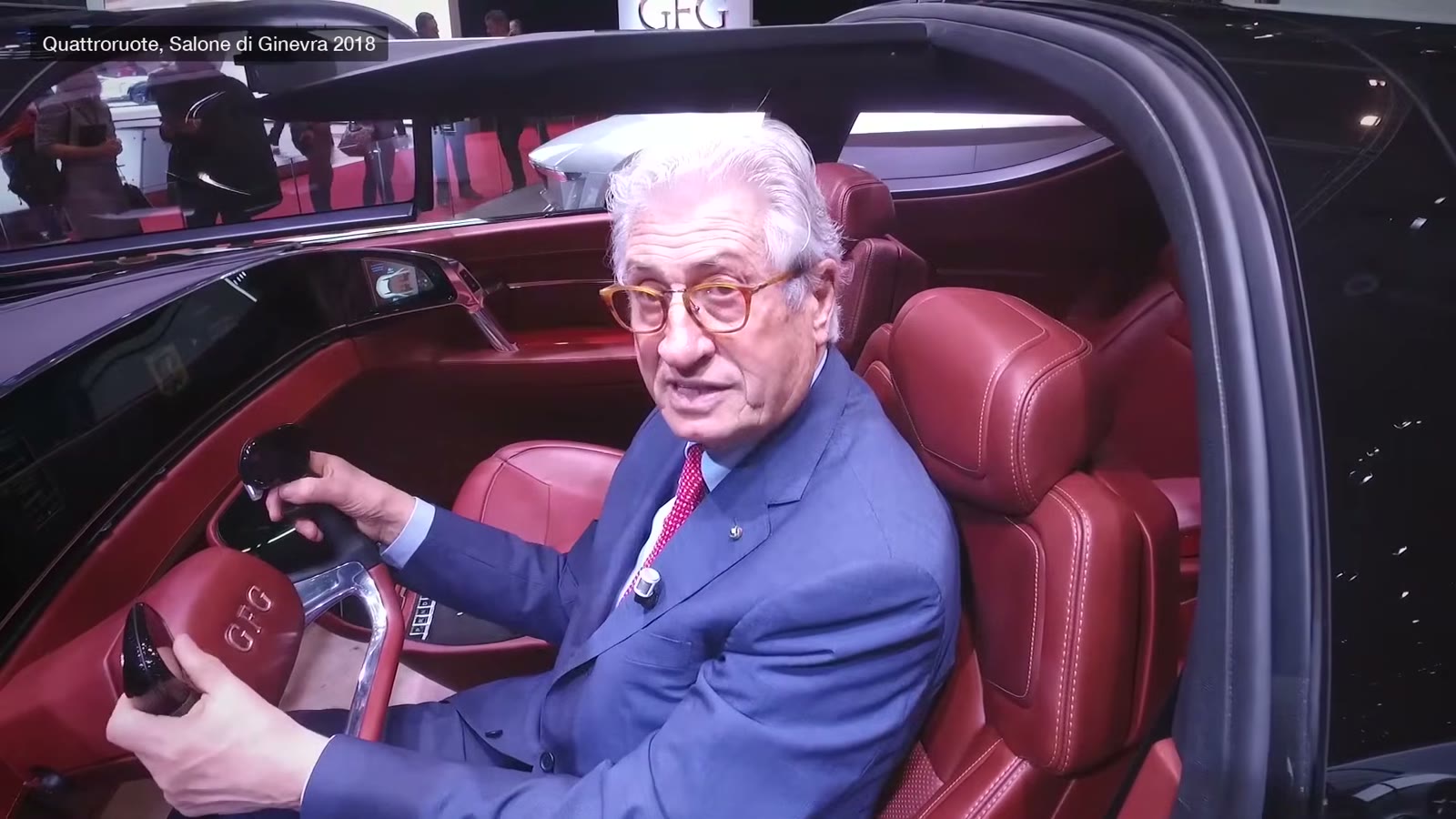
In 2018, at eighty, he took stock of his life: “I regret nothing, because cars gave me fairly quickly what I might not have achieved with painting.” Today Giorgetto Giugiaro is 88. In 2023 he was painting an altarpiece for his Garessio, as his grandfather had done, and still riding trial motorbikes. The secret, he says, is never to lose the taste for experimenting and creating. Since 2016 Italdesign has been majority-owned by the American group UST: the studio born in Turin in 1968 is now part of global industry.
5 lessons for business owners
1. Structure before style. Giugiaro never drew a line before he understood the chassis, the engine, the factory. The same holds in your company: first a solid business model, with costs, revenues and processes, then the marketing. Beauty on the wrong structure doesn't hold up.
2. Speed is an advantage. The Panda was drawn in a few weeks, during the holidays. Italdesign won because it delivered finished projects in timeframes nobody else could match. Remove the bottlenecks: being first to solve a problem is worth more than being a perfect second.
3. Industrialise talent. One person's genius cannot be multiplied. A method can. Giugiaro turned his talent into a process, and that process into a company Volkswagen bought. Teach your method: the company has to be able to run without you.
4. The outsider sees what insiders no longer see. Giugiaro always stayed outside the carmakers, and precisely because of that he saw things their styling departments missed. Look at your company through a stranger's eyes, and get help from people who come from outside.
5. Passion is the engine. At 88 Giugiaro doesn't draw for money, he draws because he enjoys it. The money came as a consequence, never as the goal. Curiosity and the drive to do better are the only things that last more than sixty years.
From the pencil of a boy from Garessio came cars driven by millions of people. The real lesson isn't the talent. It's that beauty, when it meets method, lasts.
Frequently asked questions
Who is Giorgetto Giugiaro?
A car designer born in Garessio in 1938. In 1999 a jury of more than a hundred journalists named him Car Designer of the Century in Las Vegas. Around sixty million cars have been built on his drawings.
Which cars did Giugiaro design?
Among the best known: the first-generation Volkswagen Golf, the Fiat Panda, the Uno, the Punto, the Alfa Romeo Giulia Sprint GT, the Maserati Ghibli, the Lotus Esprit and the DeLorean DMC-12. More than two hundred production models in all.
What is Italdesign?
The studio founded in Turin in 1968 by Giugiaro and the engineer Aldo Mantovani. Unlike traditional coachbuilders, it sold a complete package: styling, engineering and prototype, in other words a car ready for the assembly line. In 2010 the Volkswagen group bought 90.1% of it.
What is the main lesson of Giugiaro's story for an SME?
Talent that becomes a method becomes a company. Giugiaro turned his talent into a repeatable process, and that process into a company worth more than its founder.
One live webinar a month.
One topic, questions from the business owners who join, answers without sales slides. It's free and in Italian, and it's the simplest way to get to know us.
See the next webinar →