



Luxury brands and SMEs: how to turn clients into ambassadors for your brand
Mandarin Oriental has Stanley Tucci and Helen Mirren, Louis Vuitton had Gorbachev. An Italian SME can't pay testimonials like these, but it can turn its own clients into ambassadors. In this video I start from the campaigns of luxury brands, from emotional copy to fans who aren't even clients, and describe the six profiles a consumer should move through, up to the Google review and the video testimonial, with examples from my company.
We need your consent to play it: YouTube uses cookies that may profile what you watch.
Cookie preferences- Instead of the famous testimonials of luxury brands, SMEs have their own clients. The challenge is to turn them into ambassadors at zero cost.
- Six profiles, from coldest to warmest: those who don't know the brand, those who know it, the client, the advocate client, the ambassador client, the celebrity testimonial. Plus the fan, who cuts across all of them.
- The client buys the brand first, then judges the company by the product and the service.
- The advocate client leaves a review on Google. The ambassador leaves a video testimonial. Both have to be asked for, like a sale.
- Keep the relationship going after the purchase: magazines, catalogues, content.
Big companies and SMEs: the difference isn't only the budget
In this video we look at how to create clients who become ambassadors for the brand. The Luxury Academy method is to study what the world's leading luxury brands do and adapt it to Italian SMEs, after testing it on my main company, RiFRA, which makes high-end bathroom and kitchen furniture. The big dividing line is the budget: a big company has access to almost unlimited capital, while we small business owners have to invest limited resources as well as we can. But in the sector of beautiful, well-made things, the segment that rewards final consumer goods with a high degree of emotion, design and quality, in other words the values of Made in Italy, the difference in capital is not a deciding factor in turning strangers into brand ambassadors.
The real difference between luxury brands and SMEs lies in how famous the ambassadors are. The big brands find their testimonials among world-famous figures: athletes, actors, people from show business, even former heads of state. Let's see how they do it, and at the end we'll answer the question: what is the challenge for SMEs?
Mandarin Oriental: a world of fans
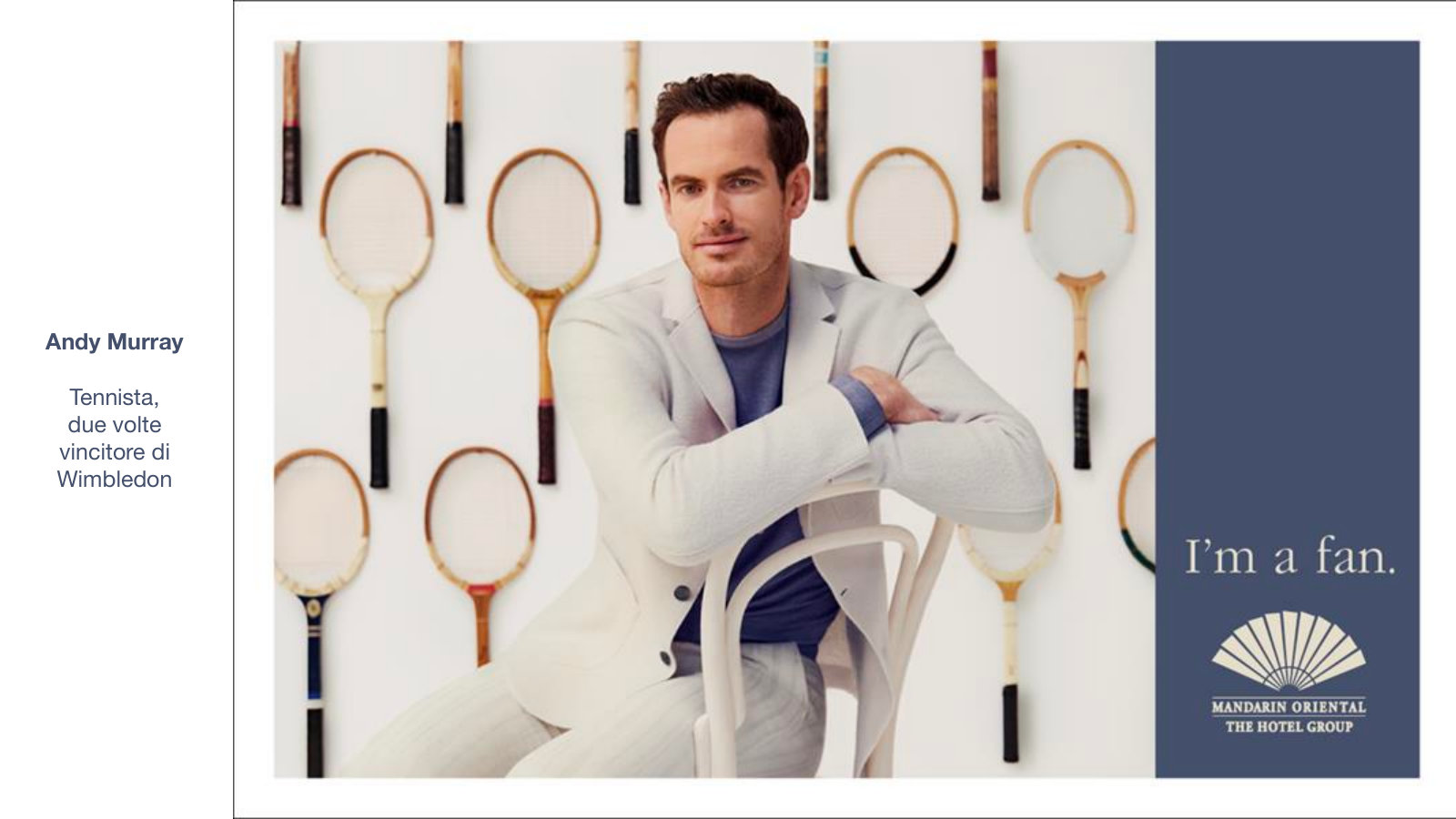
Mandarin Oriental is a Hong Kong hotel group focused on luxury hotels, resorts and residences, with 33 properties around the world. It isn't a huge chain, but the excellence of its locations and above all of its service makes it one of the world leaders in luxury hospitality. Since 2000 it has run the "I'm a fan" campaign, which links the group's symbol, the fan, simply and elegantly to the international celebrities who stay regularly in its hotels and are true fans: Stanley Tucci, Helen Mirren, Liam Neeson, Morgan Freeman, Andy Murray, two-time Wimbledon champion.
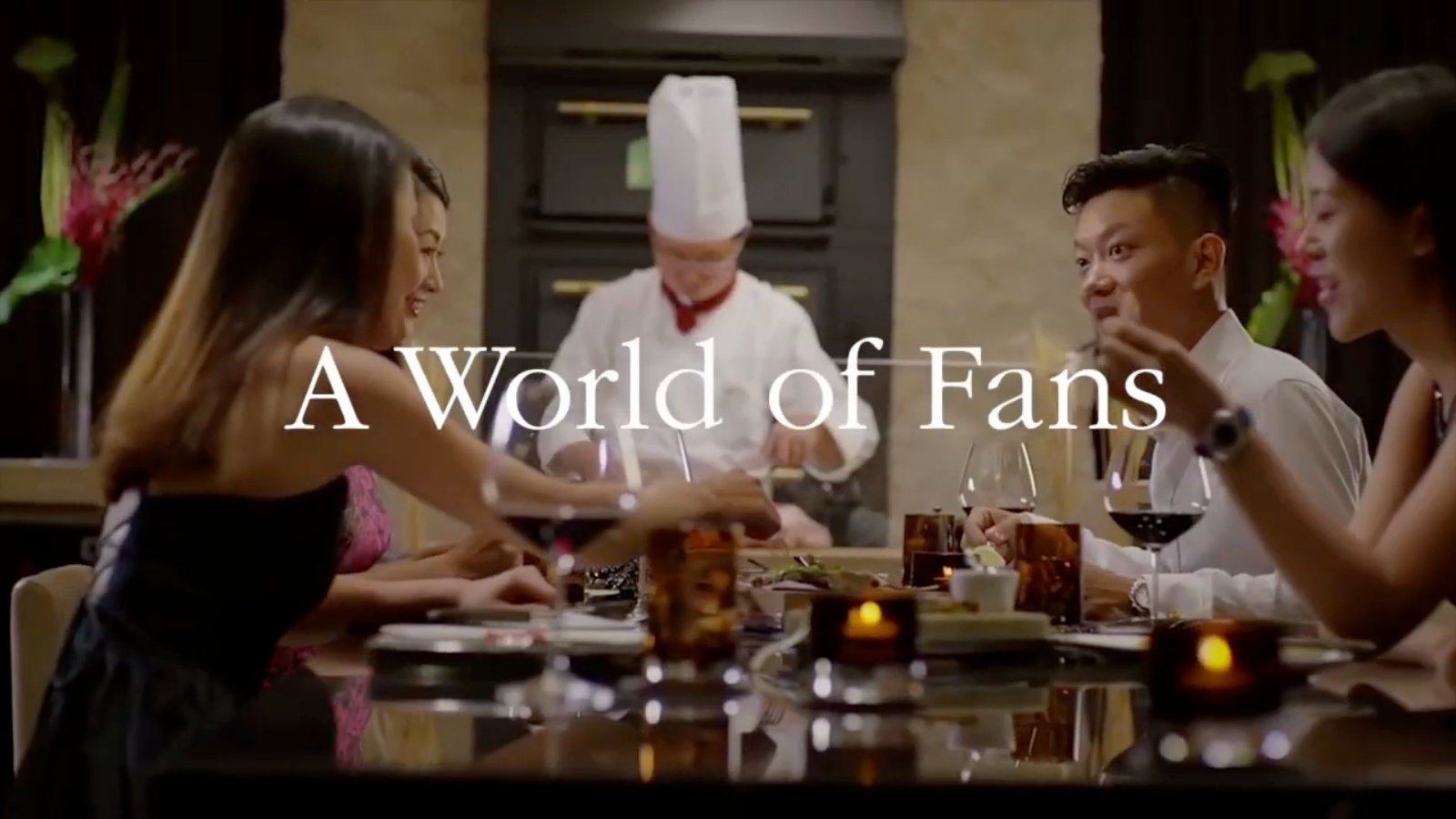
The campaign video strikes the emotional side, the right side of the brain. The campaigns of luxury brands, and of Italian SMEs working at the high end of products or services, are built on this: strike the right brain, the one of emotions and impulsive decisions, with an emotional video, and then support the choice with rational elements in more technical videos that show and explain the product. The left brain justifies the purchase, but it is the right brain that decides to buy a high-end product.
The copy: why, how, what
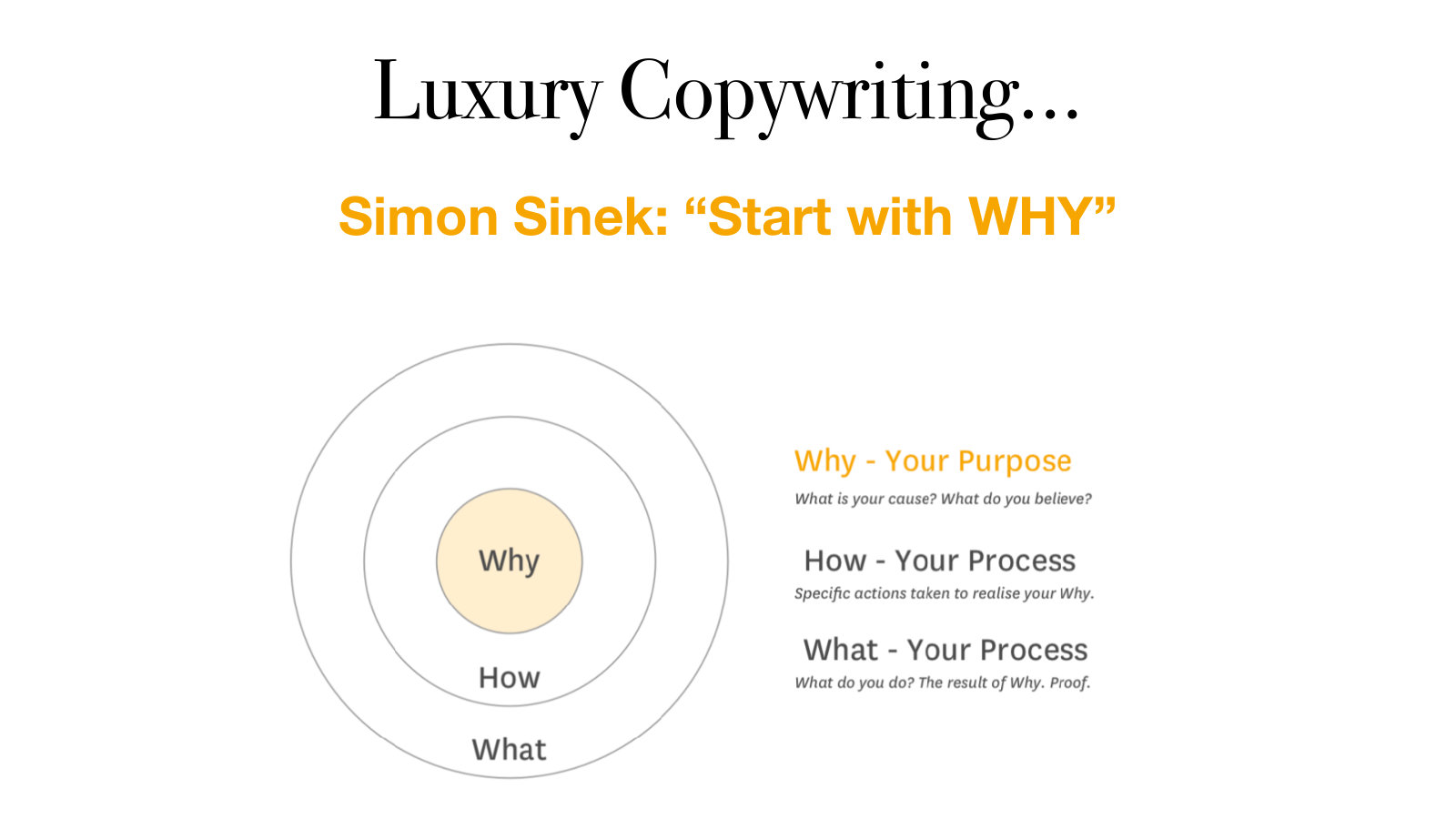
The copy is interesting too, the complete opposite of the American school of direct response, very fashionable in Italy in recent years, which high-end companies, SMEs included, should not use in a brand awareness campaign. It can be used in softer, more refined and elegant tones in a conversion campaign aimed at a warm audience, but that is the subject of another video. Mandarin Oriental uses what Simon Sinek calls "start with why": you start from the why, that is the purpose, the cause, the values; then the how, the process that delivers that why; and finally the what, the products and services you offer. Why, how, what. That is how you write emotional copy for a video of this kind.
Beyond the campaign, each ambassador creates digital content, video interviews that feed the brand's content marketing on its website and online platforms, such as the video in which Stanley Tucci explains why he is a fan. Mandarin Oriental also produces magazines, a monthly and a newspaper-style sheet, which you find in the hotel rooms.
The challenge for SMEs: six profiles plus one
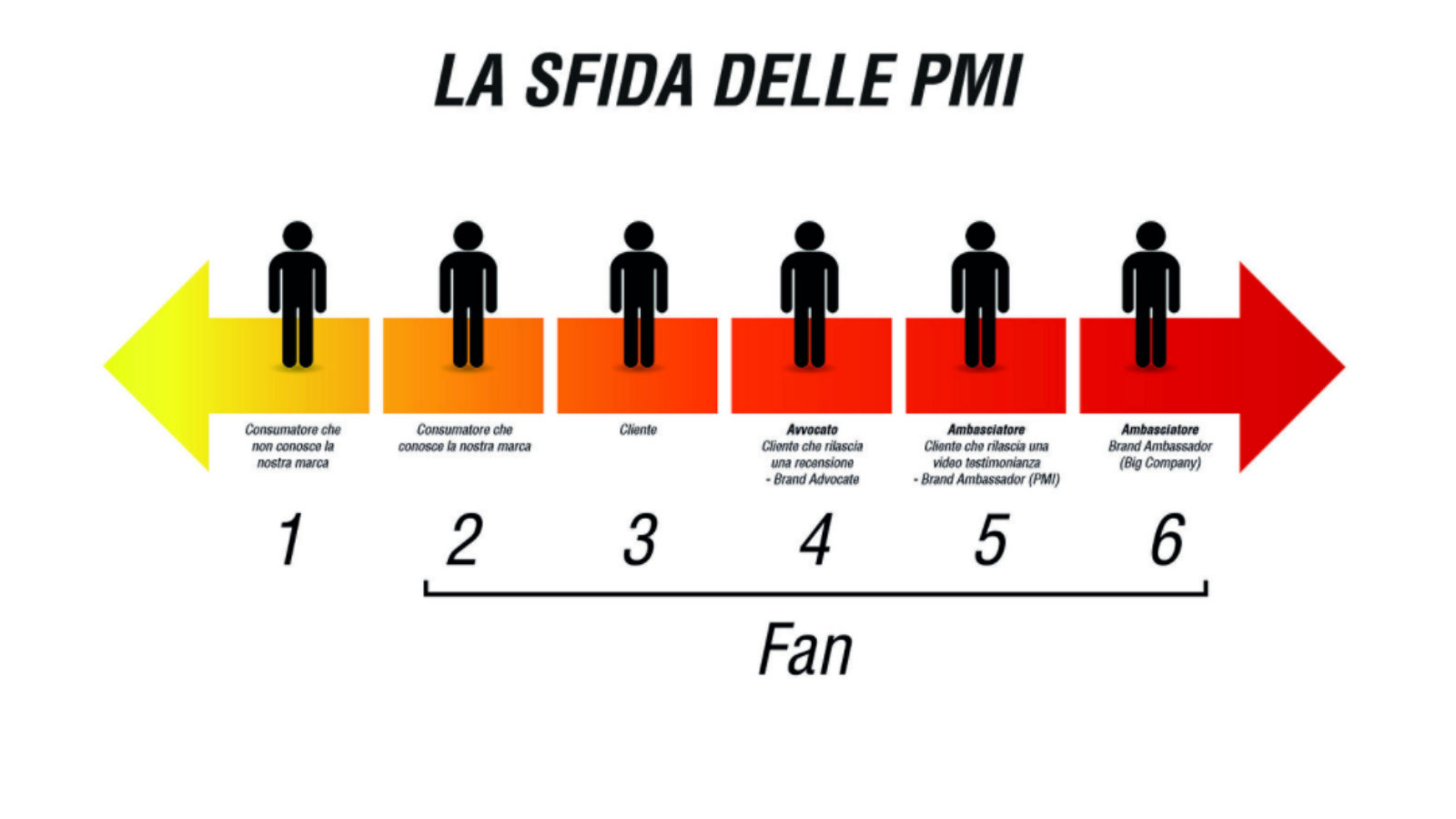
The challenge for us small and mid-sized business owners is to tell the stories of our clients, who aren't famous, and get them to become ambassadors at zero cost. To do that you have to profile the client according to the stages of purchase. I have analysed six profiles in sequence, from coldest to warmest, plus one that cuts across them.
- The consumer who doesn't know our brand.
- The consumer who knows our brand.
- The client, that is, the person who gives us money in exchange for the product or service. This is where the challenge starts.
- The advocate client, the brand advocate: the person who leaves us a review, on Google for example.
- The ambassador client, the brand ambassador: the person who gives a video testimonial.
- The celebrity testimonial, the ambassador of big companies: the famous actor, the athlete, the former head of state. Mikhail Gorbachev, former General Secretary of the Communist Party of the Soviet Union, was an ambassador for Louis Vuitton in the last years of his life. We are unlikely to reach figures of this kind, so our profiling stops at point 5.
The brand fan
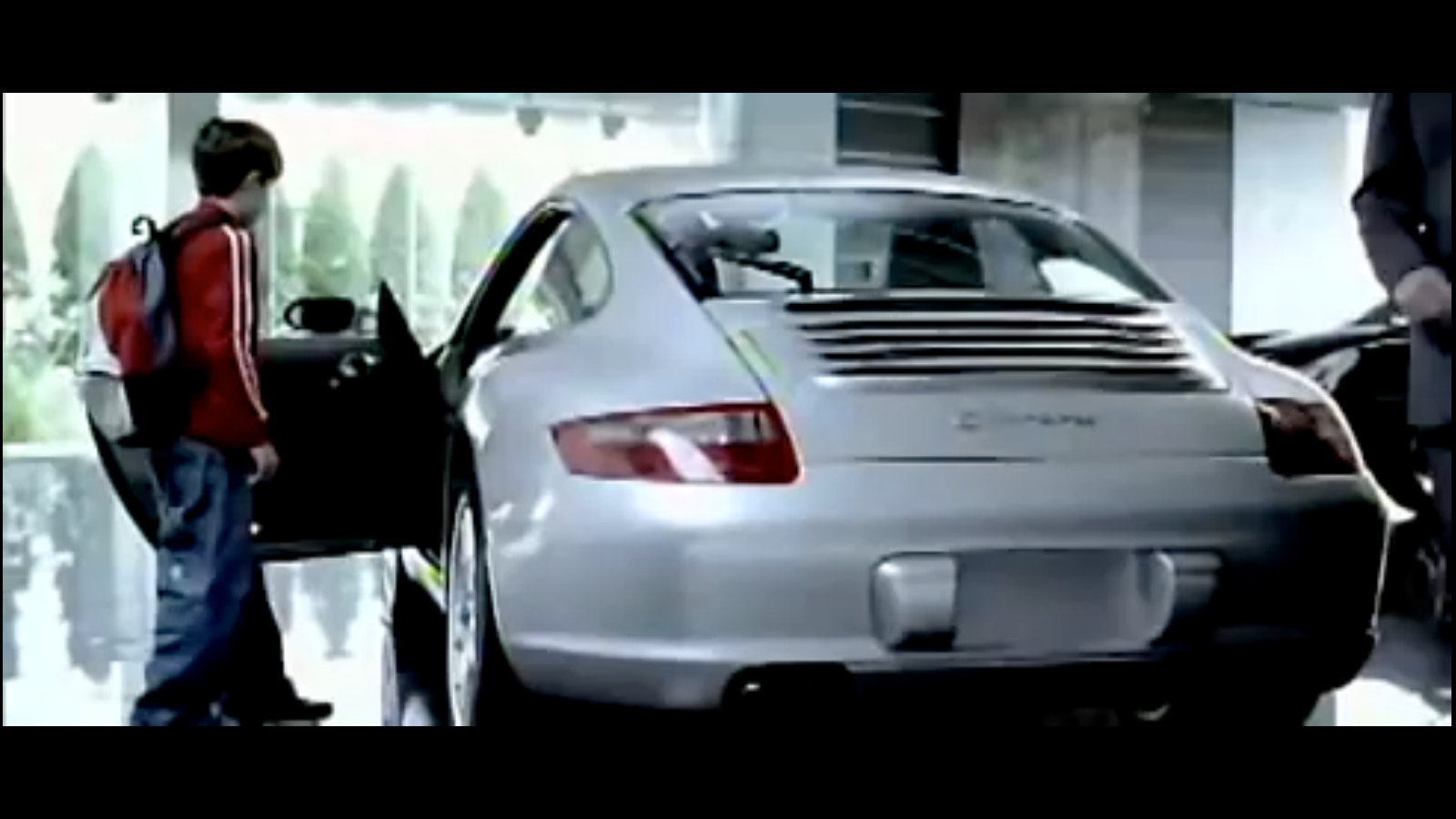
The profile that escapes the numbered sequence is the brand fan, because a person can be a fan without being a consumer and without even being in the target. It is the secret of luxury brands. Ferrari, the most famous company of Made in Italy, has millions of supporters around the world who cheer for the Scuderia without being clients or potential clients, because a Ferrari starts at a list price of €250,000, with a waiting list. Staying with cars, about ten years ago Porsche ran a TV campaign for the 911: a boy of 8 or 10 sees a Carrera go past the school window, draws it, cycles to the nearest dealership, asks a stunned salesman if he can sit in the car, leaves his business card and takes his leave saying: see you in about twenty years. A classic example of a fan who isn't a client but whose dream is to become one. The narrator closes: there is the moment you know you want one and the moment you own one, and sometimes decades pass between the two.
Porsche also uses the emotional video that strikes the right brain, and then justifies the rationality of such a big purchase with technical content: engine, suspension, quality of the interior and of the build, so that the client feels entitled to spend such a high sum. In reality he buys to satisfy his ego and to stir envy in his inner circle, who will see him as a successful person. That is the key to why people buy luxury brands. Our job as business owners is to turn our brands into important high-end brands, even if the company is small, so that the client recognises them as status symbols and is proud to buy them and show them.
Communicating to the masses to position the clients
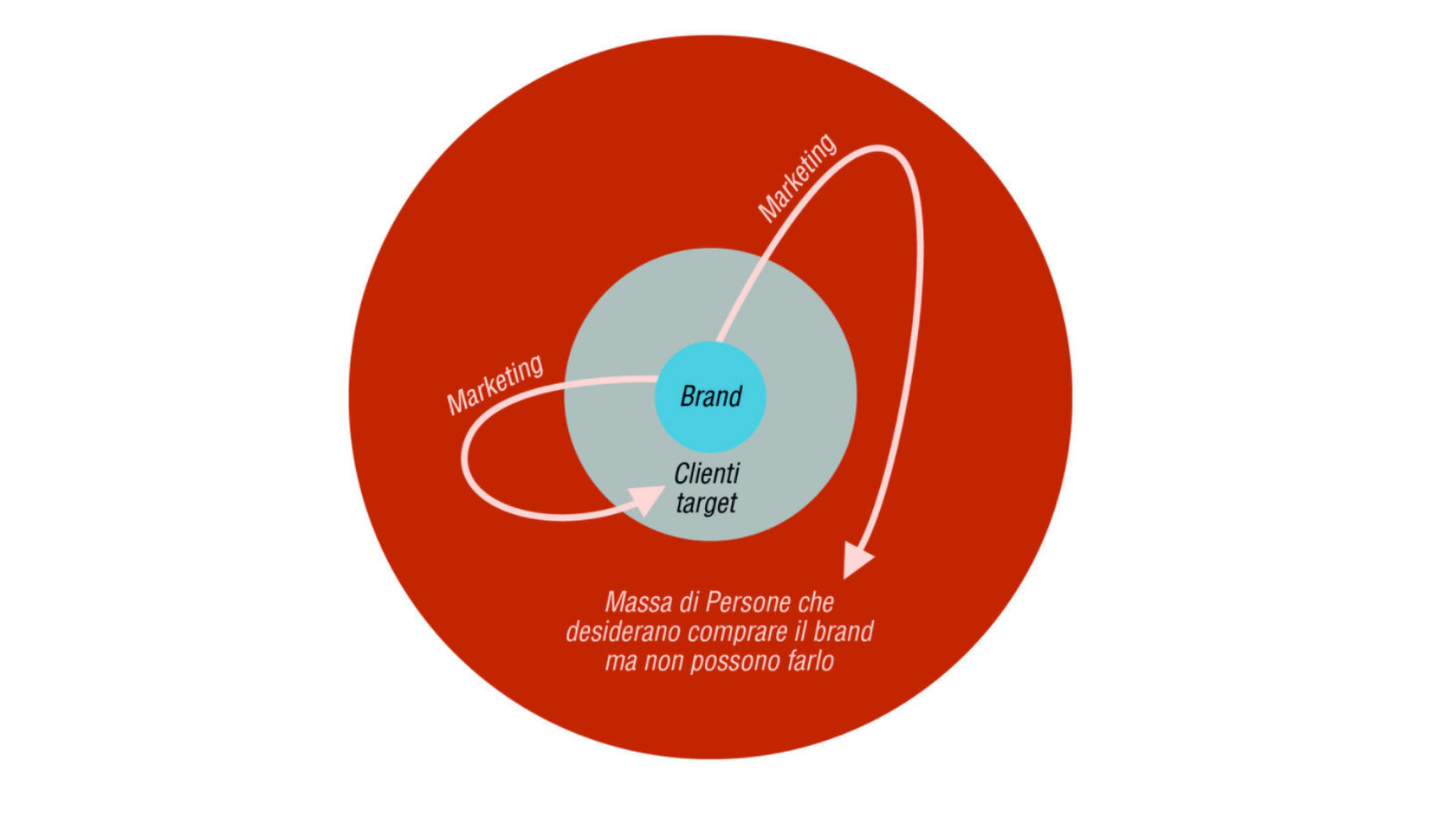
Two fundamental ideas. The first: a high-end brand, even an SME's, advertises its products not only to target clients but also to a band of consumers who can't afford them. It does this to help people position themselves in consumer society: it communicates to the masses in the same way it communicates to potential clients, to create a sense of belonging to an exclusive club and a sense of desire and envy in consumers who are drawn to the brand but aren't in the target. The envy of the masses helps the clients of high-end products position themselves at the top of the social ladder. A high-end brand has a potential target client of around 24% of the Italian population and 18% of the world's, as explained in the Margini di Lusso course, but to reach them it must also communicate to the masses who want to be its fans.
The second: months can pass, as in our case when someone wants to buy a kitchen, or years and decades, as with Porsche, between the moment a consumer decides they want a high-end product and the moment they buy it. Throughout that time it is essential that the brand is present in the potential client's life, and today an SME can do this with the internet, social networks and video, creating content marketing and spreading it online.
From consumer to client
The first step is making the brand and its products known to the target and, alongside, to the rest of the market. Until five to seven years ago this was the most expensive step, with SMEs busy with generic advertising campaigns and trade fairs. The web, search engines and social media have been essential for SMEs that developed digital skills in-house, and mastering them will increasingly be a deciding factor in success.
The most delicate phase is the one in which the consumer decides whether or not to buy. You need online campaigns in steps: two, no longer four, because iOS 14 and Apple's policies have heavily affected online campaigns. A presentation step and a conversion step, which lead the user to growing knowledge of and interaction with the brand, combined with offline initiatives: launch events, product launches, visits to the shop when the user asks. At that point the user becomes a client. And here is a definition of my own: the client first buys a brand and what it represents, the status symbol, the prestige, the social envy in their inner circle, but then the brand is judged by the product and the buying experience. It makes sense to work on the brand and on marketing, but the product or service must be of the very highest quality: quality, reliability, design, user experience and human interaction, with the salesperson before and with the technicians after, are the deciding factors in the judgement.
Keeping the relationship going: the magazine
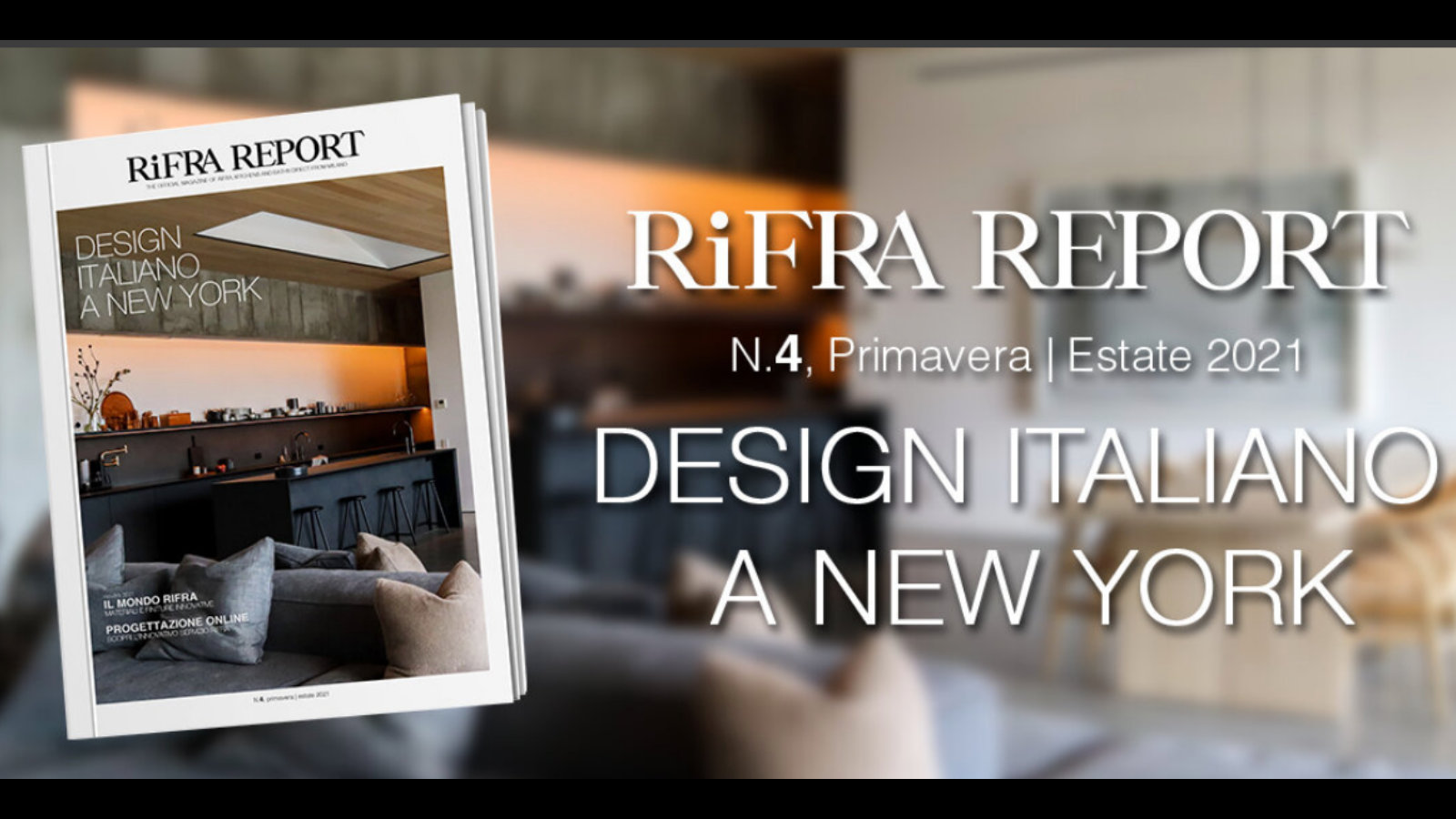
The better the product and the higher the quality of the experience, the more likely the client is to become an advocate and an ambassador. Keeping the relationship going after the purchase is one of the keys to the success of luxury brands: BMW, Land Rover and Louis Vuitton send printed magazines and catalogues to their clients to keep the relationship alive. Mandarin Oriental does it, and so does RiFRA, my kitchen and bathroom SME, which sends RiFRA Magazine to clients' homes, a magazine of more than 150 pages in four languages, Italian, English, French and German, with the same aim as the big brands: to nurture the client and encourage word of mouth. RiFRA Report, our official magazine, is a kind of Architectural Digest in the form of a house organ: we send it to clients' homes and leave it in the showrooms.
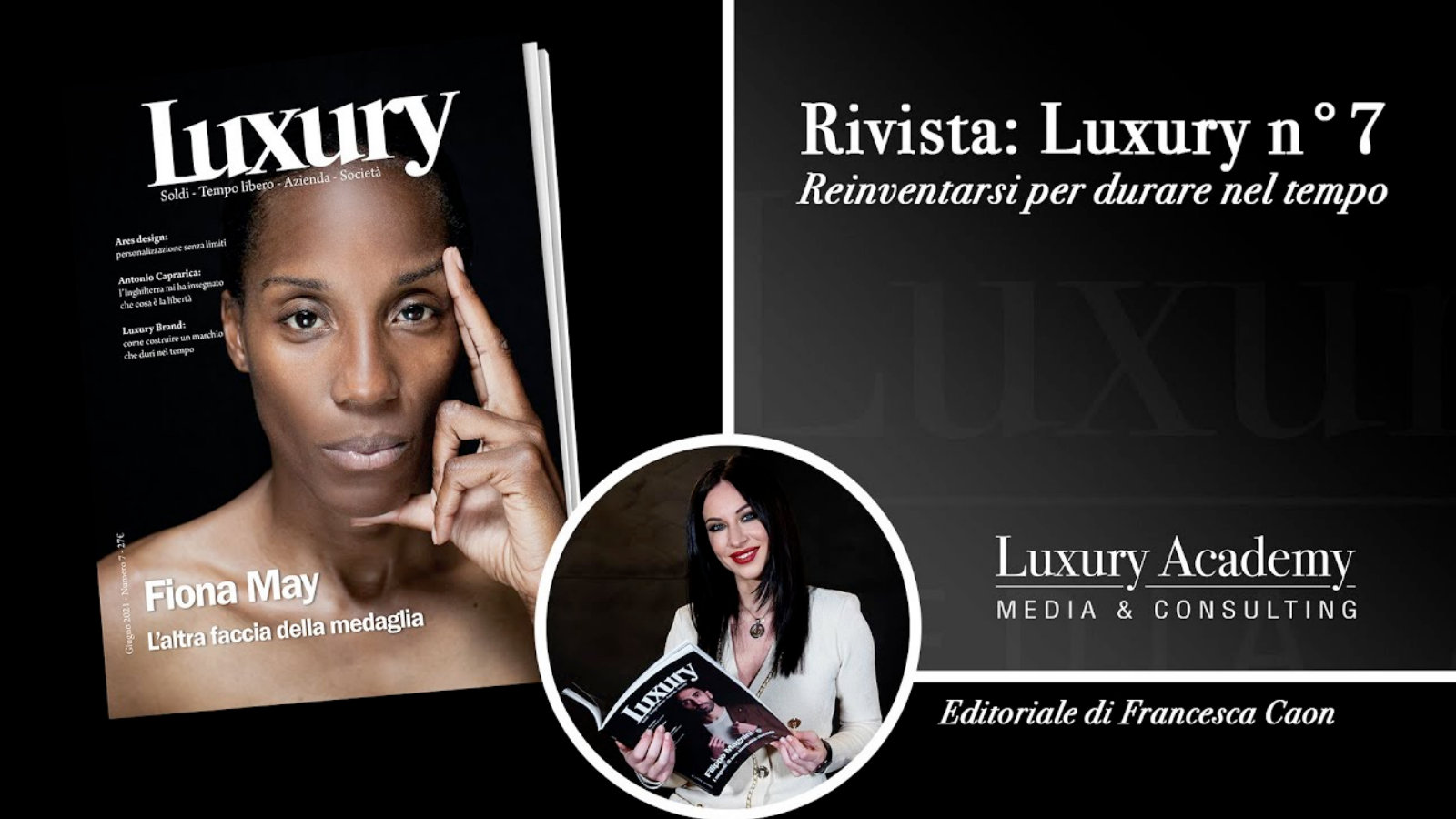
My second company, Luxury Academy, in publishing and training, publishes the monthly Luxury, with figures such as Bartolini, Giovinazzi or Gian Mario Anselmi on the cover: every month, interviews with leading figures in culture, sport, business and entertainment and success stories, for subscribers and for RiFRA clients, to keep the relationship going month after month. A magazine made by professional journalists, registered with the Court of Milan, a collector's item: our client keeps it on the coffee table, so that anyone who comes into their home sees a RiFRA kitchen and Luxury magazine and gets an idea of who the owner is. A mark of social distinction, as well as information about the high end of the market.
From client to advocate client
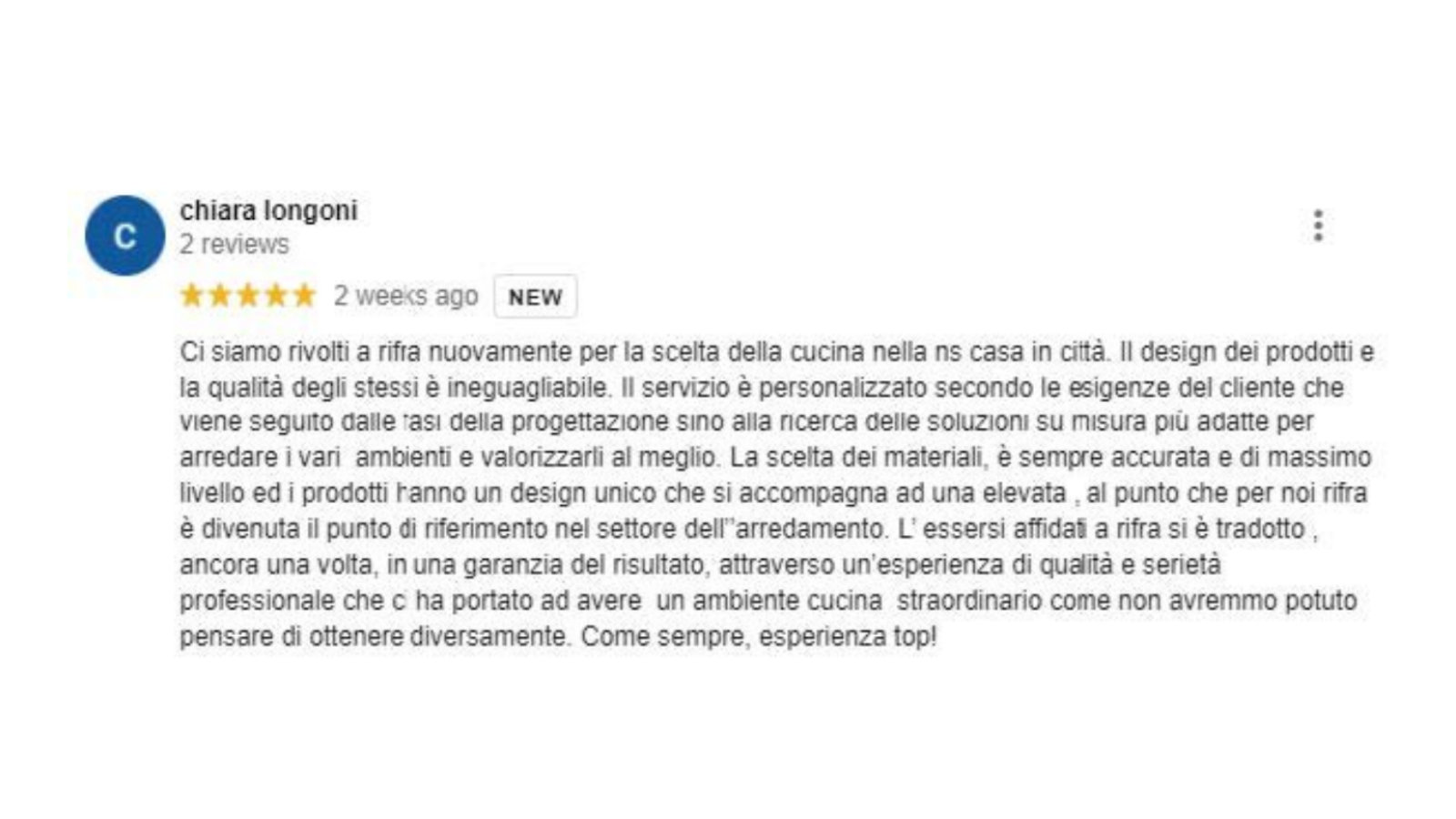
Once someone has become a client, the first step is to turn them into a brand advocate. Advocate clients are extremely loyal to a brand with which they have had positive experiences and with which they keep up the relationship over time, to the point of talking about their experience of their own accord. They are spokespeople who advertise for free: they write comments, feedback and reviews of the products or use word of mouth with friends and family, positively influencing the brand's reputation. Spontaneous, disinterested advertising from reliable sources, far more persuasive than any campaign. For example one of our clients, five stars on Google: she bought a kitchen, moved house, bought a second one and left us a testimonial that talks about design, quality of materials, the buying experience and professional reliability. These are the reviews you have to collect, by calling clients after they have bought the product or service, which of course must have been delivered at the highest level.
From advocate client to ambassador client
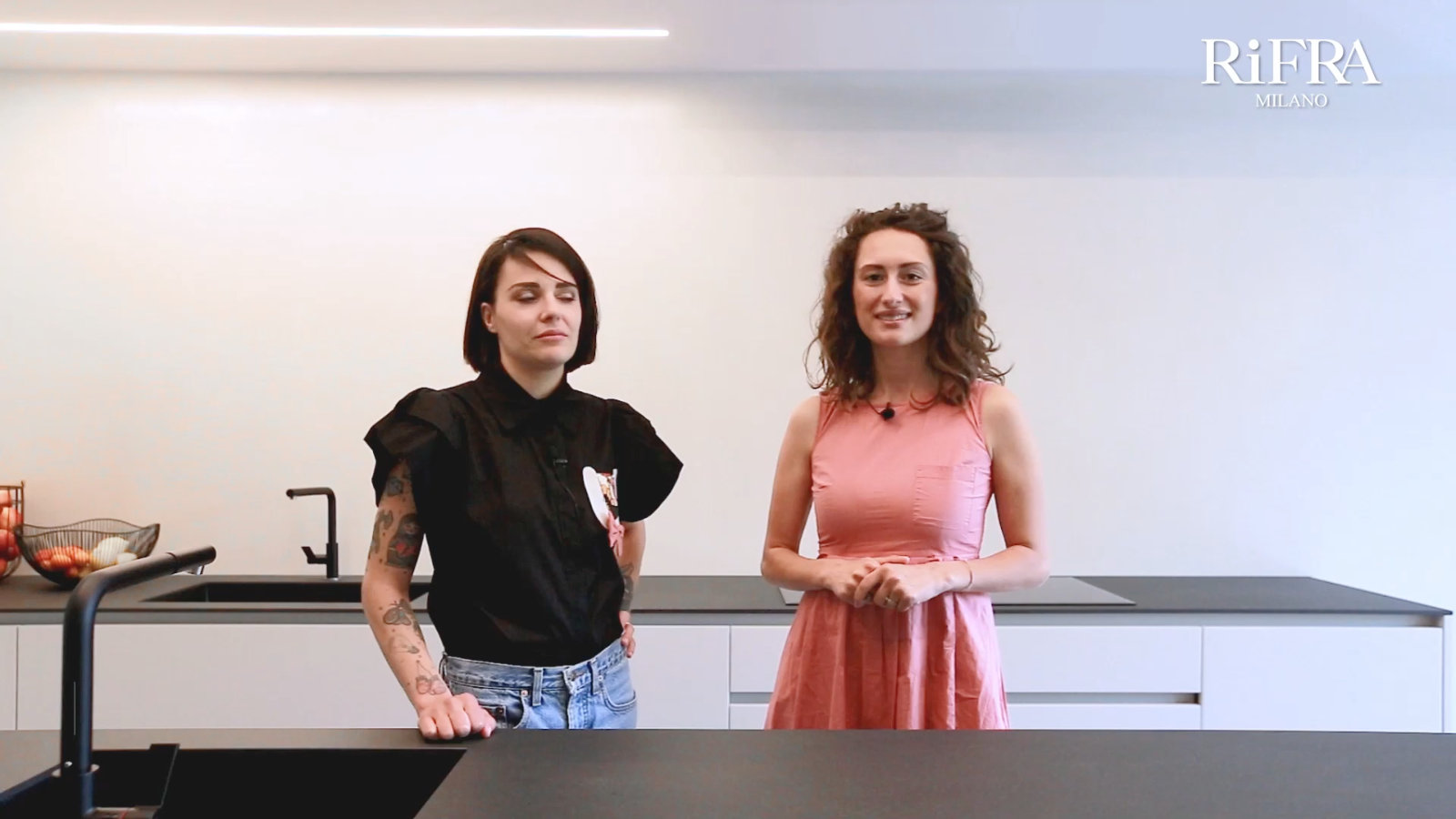
The next step, the finishing line for SMEs that can't afford Mandarin Oriental's testimonials, is the client who leaves a video testimonial and becomes a brand ambassador. The step happens when the consumer accepts the offer of a video review in the form of a video interview. For both the Google review and the video testimonial it is like making a sale to the client: you need a person in the company, the owner if it is very small, a sales assistant if it is a small or mid-sized company, who calls clients and explicitly asks for the review or the video testimonial. The client puts their face to it in a video, and only does so if they are sure of the company they are promoting. For the company the benefit is many-sided: it can share the experience on its own channels, website, blog and social media, and the user in turn will share the video with their inner circle and on their profiles. Free advertising. One example is a client of ours in Val Vigezzo, whom we visited after the kitchen was installed: she was looking for her dream kitchen, went on the internet and found us. Testimonials like this build an image of seriousness and reliability and create a climate of trust around the company that turns visitors to a website, a YouTube channel or a social page into potential clients, clients, advocates and ambassadors.
Celebrity testimonials and influencers
Point 6, where the big companies get to, is big-company territory: actors, former heads of state, athletes paid handsomely for their image. We don't have the resources. The only thing we can do is use influencers, especially on Instagram, asking ourselves whether the influencer is consistent with the brand's values and whether that alignment brings sales to the company. It is the last point, and should only be considered after fully developing the previous ones: Google reviews and video testimonials from your own clients. It is the only case, in SMEs too, in which ambassadors are paid, and it should be handled with care.
To sum up, the challenge for SMEs is to turn their clients into brand ambassadors. We have seen how luxury brands do it, how a small or mid-sized manufacturer like mine does it, and the steps that turn a consumer who doesn't know the brand into a consumer who knows it, then a client, then an advocate, then an ambassador, and so a fan of the brand.
Frequently asked questions
What is the difference between a brand advocate and a brand ambassador?
The brand advocate, the advocate client, is someone who spontaneously leaves a review, on Google for example, and spreads the word. The brand ambassador, the ambassador client, is someone who agrees to give a video testimonial and put their face to it.
How do you get reviews and video testimonials?
By asking for them, the way you make a sale: someone in the company, the owner or a sales assistant, calls clients after the purchase and explicitly asks for the Google review or the video interview. The product or service must have been delivered at the highest level.
Why should a high-end brand also communicate to people who can't buy it?
To create a sense of desire and envy in the masses that positions its clients at the top of the social ladder. The brand fan, like the boy in the Porsche ad, isn't a client but dreams of becoming one.
Can an SME use influencers?
Only after developing reviews and video testimonials from its own clients, and only if the influencer is consistent with the brand's values and brings sales. It is the only case in which an SME's ambassadors are paid, and it should be handled with care.
One live webinar a month.
One topic, questions from the business owners who join, answers without sales slides. It's free and in Italian, and it's the simplest way to get to know us.
See the next webinar →